Hey there! As a deaerator supplier, I often get asked about the installation process of a deaerator. So, I thought I'd share some insights on this topic.


First off, let's understand what a deaerator is. A deaerator is a crucial piece of equipment in many industrial processes, especially in power plants and steam systems. Its main job is to remove dissolved gases, like oxygen and carbon dioxide, from the feedwater. Why is this important? Well, these gases can cause corrosion in the pipes and equipment, reducing their lifespan and efficiency. By removing them, we can ensure the smooth and long - term operation of the system.
Pre - installation Preparations
Before we even start the actual installation, there are a bunch of things we need to take care of.
Site Inspection
The first step is to conduct a thorough site inspection. We need to check the location where the deaerator will be installed. The area should be large enough to accommodate the deaerator and provide sufficient space for maintenance and operation. It should also be close to the feedwater source and the steam supply. For example, in a power plant, the deaerator is usually placed near the boiler and the water treatment system.
We also need to ensure that the floor or the support structure can bear the weight of the deaerator. A deaerator can be quite heavy, especially the larger ones. So, we might need to reinforce the floor or build a special foundation if necessary.
Equipment and Material Check
Once the site is ready, we need to check all the equipment and materials that will be used for the installation. This includes the deaerator itself, of course. We need to make sure that it has no damage during transportation. All the components, such as the spray nozzles, trays, and internal baffles, should be in good condition.
We also need to check the pipes, valves, and fittings. They should be the right size and material for the application. For instance, in a high - pressure steam system, we need to use pipes and valves that can withstand the pressure and temperature.
Installation Steps
Positioning the Deaerator
The first step in the actual installation is to position the deaerator at the designated location. This usually requires the use of a crane or other lifting equipment. We need to be very careful during this process to avoid any damage to the deaerator or the surrounding equipment.
Once the deaerator is in place, we need to level it using shims. A level deaerator is essential for its proper operation. If it's not level, the water and steam flow inside the deaerator might be uneven, which can affect its performance.
Piping Installation
After the deaerator is positioned, the next step is to install the piping. We need to connect the deaerator to the feedwater source, the steam supply, and the outlet pipes.
The feedwater pipe is usually connected to the top of the deaerator. This is where the water enters the deaerator and is sprayed into the chamber. The steam pipe is connected to the bottom or the side of the deaerator. The steam is used to heat the water and remove the dissolved gases.
The outlet pipe is connected to the bottom of the deaerator. This is where the deaerated water leaves the deaerator and is sent to the boiler or other equipment.
When installing the pipes, we need to make sure that they are properly aligned and tightened. Any leaks in the pipes can cause problems, such as loss of steam or water, and can also affect the performance of the deaerator.
Instrumentation and Control System Installation
In addition to the piping, we also need to install the instrumentation and control system. This includes sensors for measuring the temperature, pressure, and water level inside the deaerator. These sensors are connected to a control panel, which allows the operators to monitor and control the operation of the deaerator.
For example, the temperature sensor can detect if the steam temperature is too high or too low. If it's too high, the control system can adjust the steam flow to lower the temperature. The water level sensor can ensure that the water level inside the deaerator is within the proper range.
Testing and Commissioning
Once all the installation work is completed, we need to conduct a series of tests and commissioning. First, we need to do a leak test on all the pipes and connections. We can use a pressure test or a soap bubble test to check for any leaks.
After the leak test, we need to start the deaerator and run it at a low load. During this process, we need to monitor the performance of the deaerator, such as the temperature, pressure, and water quality. We also need to check if the control system is working properly.
If everything is working well, we can gradually increase the load of the deaerator until it reaches its full capacity. This process usually takes a few days to ensure that the deaerator is operating stably and efficiently.
Related Equipment
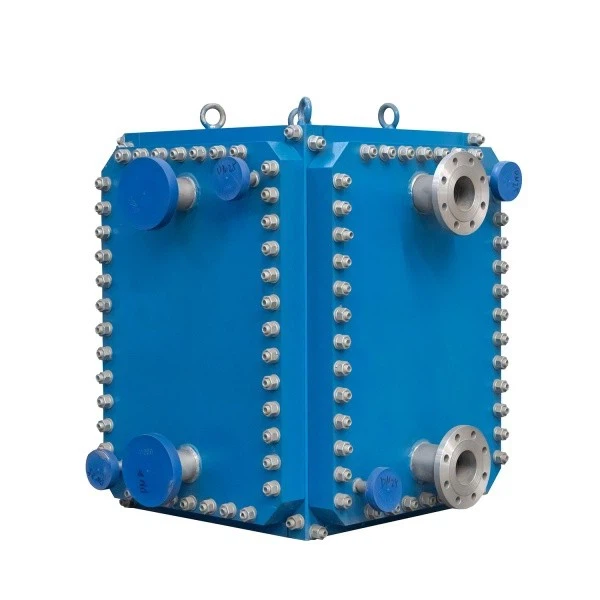
It's worth mentioning that a deaerator is often part of a larger system. For example, in a power plant, it works together with a Reactor and a Gas To Gas Air Preheater For Waste Heat Recovery. The reactor can generate heat or power, and the air preheater can recover the waste heat from the flue gas to improve the energy efficiency of the system.
Conclusion
The installation process of a deaerator is a complex and important task. It requires careful planning, proper installation, and thorough testing. As a Deaerator supplier, we have the expertise and experience to ensure that the installation is done correctly.
If you're in the market for a deaerator or need help with the installation, don't hesitate to reach out. We're here to provide you with the best products and services. Whether you're building a new power plant or upgrading an existing system, we can work with you to meet your specific needs.
References
- "Industrial Steam Systems Handbook"
- "Power Plant Equipment and Operation Guide"