The pressure rating of a sight glass is a critical parameter that determines its suitability for various industrial applications. As a leading Sight Glass supplier, we understand the importance of providing accurate information about pressure ratings to ensure the safety and efficiency of our customers' operations.
Understanding Pressure Ratings
Pressure rating refers to the maximum pressure that a sight glass can withstand without failing. It is typically expressed in pounds per square inch (psi) or bar. The pressure rating of a sight glass is determined by several factors, including the material of construction, the design of the sight glass, and the manufacturing process.
Material of Construction
The material of construction plays a significant role in determining the pressure rating of a sight glass. Common materials used for sight glasses include glass, plastic, and metal. Each material has its own unique properties and pressure resistance capabilities.
- Glass: Glass sight glasses are widely used due to their excellent transparency and chemical resistance. However, glass is a brittle material and has a relatively low pressure resistance compared to other materials. The pressure rating of glass sight glasses can range from a few psi to several hundred psi, depending on the type of glass and the design of the sight glass.
- Plastic: Plastic sight glasses are lightweight, inexpensive, and resistant to corrosion. They are commonly used in low-pressure applications. The pressure rating of plastic sight glasses is generally lower than that of glass or metal sight glasses, typically ranging from a few psi to around 100 psi.
- Metal: Metal sight glasses are the most durable and have the highest pressure resistance. They are commonly used in high-pressure applications, such as in the oil and gas industry. The pressure rating of metal sight glasses can range from several hundred psi to several thousand psi, depending on the type of metal and the design of the sight glass.
Design of the Sight Glass
The design of the sight glass also affects its pressure rating. Factors such as the shape, thickness, and size of the sight glass can influence its ability to withstand pressure.
- Shape: Sight glasses come in various shapes, including circular, rectangular, and oval. The shape of the sight glass can affect its stress distribution and pressure resistance. For example, circular sight glasses are generally more resistant to pressure than rectangular or oval sight glasses due to their uniform stress distribution.
- Thickness: The thickness of the sight glass is directly related to its pressure resistance. Thicker sight glasses can withstand higher pressures than thinner sight glasses. However, increasing the thickness of the sight glass also increases its weight and cost.
- Size: The size of the sight glass can also affect its pressure rating. Larger sight glasses generally have a lower pressure rating than smaller sight glasses due to the increased surface area and stress concentration.
Manufacturing Process
The manufacturing process used to produce the sight glass can also impact its pressure rating. High-quality manufacturing processes, such as precision machining and annealing, can improve the strength and pressure resistance of the sight glass.
Importance of Pressure Rating
The pressure rating of a sight glass is crucial for ensuring the safety and reliability of industrial processes. Using a sight glass with a pressure rating that is too low for the application can result in catastrophic failure, leading to leaks, explosions, and other safety hazards. On the other hand, using a sight glass with a pressure rating that is too high for the application can be unnecessary and costly.
Safety
Safety is the primary concern when selecting a sight glass. A sight glass that is not rated for the operating pressure of the system can rupture under pressure, causing serious injury or damage to equipment. By choosing a sight glass with the appropriate pressure rating, you can minimize the risk of accidents and ensure the safety of your employees and facilities.
Efficiency
Using a sight glass with the correct pressure rating can also improve the efficiency of your operations. A sight glass that is designed to withstand the operating pressure of the system will perform better and require less maintenance. This can result in reduced downtime and increased productivity.
Cost
Selecting a sight glass with the appropriate pressure rating can also help you save money. Using a sight glass with a pressure rating that is too high for the application can be more expensive than necessary. By choosing a sight glass with the right pressure rating, you can ensure that you are getting the best value for your money.
Applications of Sight Glasses
Sight glasses are used in a wide range of industrial applications, including chemical processing, food and beverage production, pharmaceutical manufacturing, and oil and gas refining. The pressure rating of the sight glass required for each application depends on the specific operating conditions and requirements.
Chemical Processing
In chemical processing plants, sight glasses are used to monitor the flow, level, and condition of chemicals in pipelines and vessels. The pressure rating of the sight glass used in chemical processing applications must be able to withstand the high pressures and corrosive environments typically found in these industries.
Food and Beverage Production
In the food and beverage industry, sight glasses are used to monitor the production process and ensure the quality of the products. The pressure rating of the sight glass used in food and beverage production applications must be able to withstand the relatively low pressures and hygienic requirements of these industries.
Pharmaceutical Manufacturing
In pharmaceutical manufacturing, sight glasses are used to monitor the production process and ensure the purity and quality of the drugs. The pressure rating of the sight glass used in pharmaceutical manufacturing applications must be able to withstand the high pressures and strict regulatory requirements of these industries.
Oil and Gas Refining
In the oil and gas industry, sight glasses are used to monitor the flow, level, and condition of oil, gas, and other fluids in pipelines and vessels. The pressure rating of the sight glass used in oil and gas refining applications must be able to withstand the high pressures and harsh environments typically found in these industries.
How to Select the Right Pressure Rating
Selecting the right pressure rating for a sight glass requires careful consideration of several factors, including the operating pressure of the system, the temperature, the chemical compatibility, and the application requirements.
Operating Pressure
The operating pressure of the system is the most important factor to consider when selecting a sight glass. The pressure rating of the sight glass must be equal to or greater than the maximum operating pressure of the system. It is also important to consider any pressure fluctuations or surges that may occur in the system.
Temperature
The temperature of the fluid being monitored can also affect the pressure rating of the sight glass. High temperatures can reduce the strength of the sight glass material and increase the risk of failure. Therefore, it is important to select a sight glass that is rated for the maximum temperature of the fluid being monitored.
Chemical Compatibility
The chemical compatibility of the sight glass material with the fluid being monitored is also crucial. Certain chemicals can react with the sight glass material and cause corrosion or other damage. Therefore, it is important to select a sight glass that is made of a material that is compatible with the fluid being monitored.
Application Requirements
The specific application requirements, such as the size, shape, and type of sight glass, must also be considered when selecting the right pressure rating. For example, some applications may require a sight glass with a specific shape or size to fit into a particular system.
Our Sight Glass Products
As a Sight Glass supplier, we offer a wide range of sight glasses with different pressure ratings to meet the needs of various industrial applications. Our sight glasses are made of high-quality materials and are manufactured using advanced processes to ensure their reliability and performance.
- Sight Glass: Our sight glasses are available in various shapes, sizes, and materials, including glass, plastic, and metal. They are designed to withstand a wide range of pressures and temperatures and are suitable for use in a variety of industrial applications.
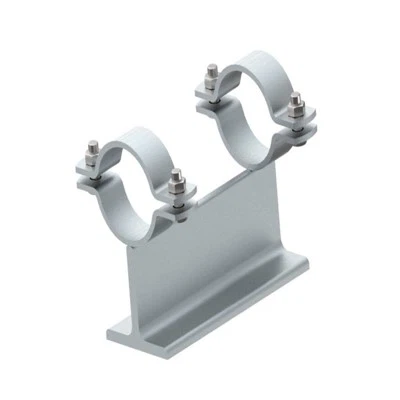
- Adjustable Pipe Hanger Rods: In addition to sight glasses, we also offer adjustable pipe hanger rods to support and secure pipes in industrial systems. Our adjustable pipe hanger rods are made of high-quality materials and are designed to provide reliable support for pipes of all sizes.
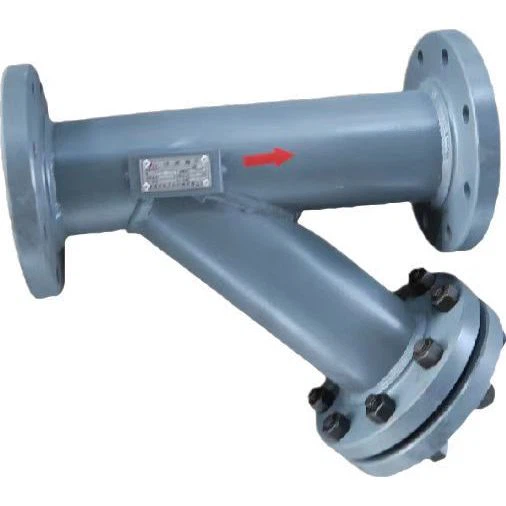
- Pipeline Filter: We also provide pipeline filters to remove contaminants and impurities from fluids in industrial pipelines. Our pipeline filters are available in various sizes and configurations to meet the specific requirements of different applications.
Contact Us for Procurement
If you are interested in purchasing sight glasses or other pipe hanger accessories, please contact us to discuss your requirements. Our team of experts will be happy to assist you in selecting the right products for your application and providing you with a competitive quote.

References
- "Pressure Rating of Sight Glasses," Industrial Equipment Handbook.
- "Selection Guide for Sight Glasses," Chemical Processing Magazine.
- "Sight Glasses in the Oil and Gas Industry," Oil and Gas Journal.