Hey there! As a sight glass supplier, I often get asked about the standard thickness of a sight glass. It's a crucial question, as the thickness can significantly impact the performance, durability, and safety of the sight glass. In this blog post, I'll break down the factors that determine the standard thickness and give you a better understanding of what to look for.
First off, let's talk about why thickness matters. A sight glass is essentially a transparent window installed in a pipeline or vessel, allowing operators to visually inspect the contents inside. It needs to withstand the pressure, temperature, and chemical environment of the system while remaining clear and intact. The thickness of the sight glass plays a vital role in ensuring its structural integrity and resistance to these factors.
One of the primary factors influencing the standard thickness is the operating pressure of the system. Higher pressures require thicker sight glasses to prevent breakage. The pressure exerted on the sight glass creates stress, and if the glass is too thin, it may not be able to handle the load. For example, in a high-pressure steam system, you'd need a much thicker sight glass compared to a low-pressure water pipeline.
Temperature is another key consideration. Extreme temperatures can cause the glass to expand or contract, which can lead to cracking or shattering if the glass isn't thick enough to accommodate these changes. In applications where there are significant temperature fluctuations, such as in industrial ovens or refrigeration systems, a thicker sight glass is usually necessary.
The chemical composition of the fluid or gas inside the system also affects the thickness requirement. Some chemicals are highly corrosive and can gradually eat away at the glass. Thicker glass provides a greater buffer against corrosion, ensuring a longer lifespan for the sight glass. For instance, in a chemical processing plant where aggressive acids or alkalis are present, a thicker, more resistant sight glass is essential.
Now, let's get into the actual standards. There isn't a one-size-fits-all answer when it comes to the standard thickness of a sight glass. It varies depending on the industry, the specific application, and the relevant safety codes and regulations. However, there are some general guidelines that can give you an idea.
In the food and beverage industry, where hygiene and safety are paramount, sight glasses typically have a thickness ranging from 3mm to 10mm. These relatively thin glasses are suitable for low to medium-pressure applications and are often made of borosilicate glass, which is resistant to thermal shock and chemical corrosion.


In the pharmaceutical industry, the requirements are even more stringent. Sight glasses used in pharmaceutical manufacturing processes need to meet strict quality and safety standards. They are usually made of high-quality glass with a thickness of 5mm to 15mm to ensure reliability and prevent contamination.
For industrial applications such as oil and gas, petrochemicals, and power generation, the thickness can be much greater. In high-pressure and high-temperature environments, sight glasses can have a thickness of 15mm to 50mm or more. These thick glasses are designed to withstand extreme conditions and provide long-term performance.
When choosing a sight glass, it's important to work with a reputable supplier who can help you select the right thickness for your specific application. At [no company name, but as a general supplier], we have a wide range of sight glasses available, each designed to meet different requirements. Our team of experts can provide you with detailed technical information and guidance to ensure you get the best product for your needs.
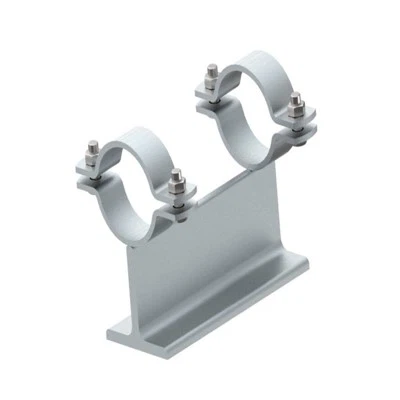
In addition to sight glasses, we also offer other pipeline accessories such as Pipe Clamps and Pipeline Filter. These products are essential for maintaining the integrity and efficiency of your pipeline system.
If you're in the market for a sight glass or any other pipeline accessories, don't hesitate to reach out. We're here to answer your questions, provide you with a quote, and help you find the perfect solution for your project. Whether you're a small business or a large industrial enterprise, we have the expertise and products to meet your needs.
To sum it up, the standard thickness of a sight glass depends on several factors, including operating pressure, temperature, and chemical environment. By understanding these factors and working with a reliable supplier, you can ensure that you choose the right sight glass for your application. So, if you're looking for high-quality sight glasses and other pipeline accessories, give us a call or drop us an email. We're ready to assist you with all your procurement needs.
References:
- Industrial Glass Association publications
- Safety codes and regulations from relevant industries
- Technical manuals from sight glass manufacturers