


Hey there! As a supplier of hydraulic dampers, I often get asked about the vibration isolation effect of these nifty devices. So, let's dive right in and explore what makes hydraulic dampers so effective at keeping vibrations in check.
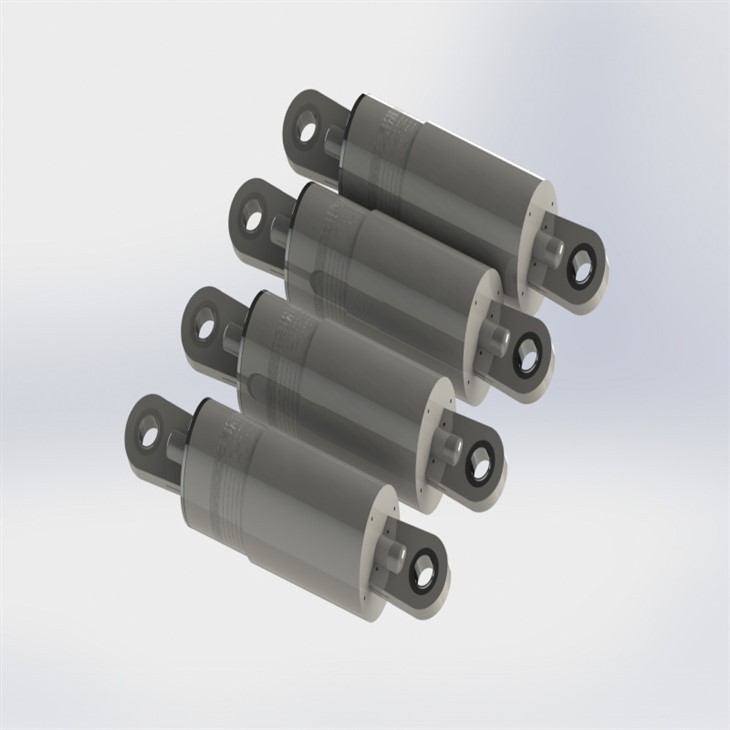
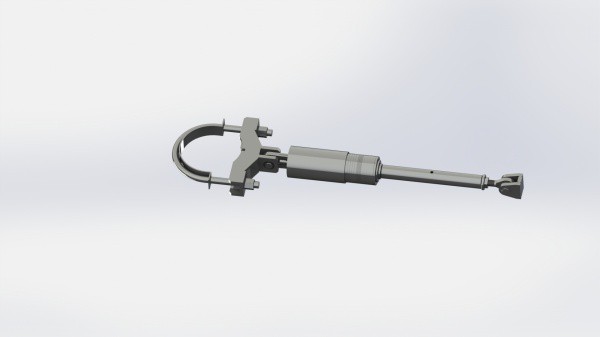
First off, let's understand what a hydraulic damper is. A Hydraulic Damper is a device that uses hydraulic fluid to control the movement and dampen vibrations. It consists of a cylinder, a piston, and hydraulic fluid. When a force is applied to the damper, the piston moves through the hydraulic fluid, which creates resistance. This resistance helps to absorb and dissipate the energy from the vibration, reducing its amplitude and frequency.
Now, let's talk about the vibration isolation effect. Vibration isolation is the process of reducing the transmission of vibrations from one object to another. In the case of hydraulic dampers, they are used to isolate vibrating equipment or structures from their surroundings. This can be crucial in a variety of applications, such as in industrial machinery, automotive vehicles, and even in buildings.
One of the key advantages of hydraulic dampers is their ability to provide adjustable damping. Unlike some other types of dampers, hydraulic dampers can be tuned to provide different levels of damping depending on the specific requirements of the application. This means that they can be optimized to provide the best possible vibration isolation for a particular system.
Another important factor in the vibration isolation effect of hydraulic dampers is their ability to handle a wide range of frequencies. Vibrations can occur at different frequencies, and a good damper needs to be able to effectively dampen vibrations across a broad spectrum. Hydraulic dampers are designed to do just that, making them suitable for a variety of applications where vibrations can occur at different frequencies.
Let's take a look at some specific examples of how hydraulic dampers can be used to achieve vibration isolation. In industrial machinery, for example, hydraulic dampers can be used to reduce the vibrations generated by large motors, pumps, and other equipment. By isolating these vibrations, the damper helps to protect the surrounding structures and equipment from damage, as well as reducing noise levels in the workplace.
In the automotive industry, Hydraulic Shock Absorber are a common type of hydraulic damper. They are used to absorb the shocks and vibrations caused by uneven road surfaces, providing a smoother and more comfortable ride for the passengers. Additionally, shock absorbers help to improve the handling and stability of the vehicle, making it safer to drive.
In buildings, hydraulic dampers can be used to reduce the vibrations caused by wind, earthquakes, or other external forces. By installing dampers in the building's structure, engineers can help to protect the building from damage and ensure the safety of its occupants.
So, how do you choose the right hydraulic damper for your application? Well, there are a few factors to consider. First, you need to determine the amount of damping required. This will depend on the specific application and the level of vibrations that need to be reduced. You also need to consider the frequency range of the vibrations, as well as the size and weight of the equipment or structure that needs to be isolated.
It's also important to choose a high-quality hydraulic damper from a reputable supplier. At our company, we take pride in offering a wide range of hydraulic dampers that are designed to meet the needs of various applications. Our dampers are made from high-quality materials and are rigorously tested to ensure their performance and reliability.
If you're interested in learning more about our hydraulic dampers or have any questions about vibration isolation, please don't hesitate to get in touch. We're here to help you find the right solution for your needs and can provide you with all the information you need to make an informed decision. Whether you're an engineer looking for a solution for an industrial project or a car enthusiast looking to upgrade your vehicle's suspension, we've got you covered.
In conclusion, the vibration isolation effect of hydraulic dampers is truly remarkable. Their ability to provide adjustable damping, handle a wide range of frequencies, and protect equipment and structures from damage makes them an essential component in many applications. If you're dealing with vibrations and are looking for an effective solution, consider using a hydraulic damper. And remember, as a leading supplier of hydraulic dampers, we're here to assist you every step of the way.
References:
- Some basic textbooks on mechanical engineering and vibration control which cover the principle and application of hydraulic dampers.
- Technical papers from industry research institutes on the development and performance analysis of hydraulic dampers.


