


When it comes to the world of pipe hangers and accessories, the pipe reinforcement circle plays a crucial role in ensuring the structural integrity and longevity of pipelines. As a dedicated supplier of Pipe Reinforcement Circles, I often receive inquiries about the weight of a typical pipe reinforcement circle. In this blog post, I'll delve into the factors that influence the weight of these essential components, providing you with a comprehensive understanding of what to expect.
Understanding the Purpose of Pipe Reinforcement Circles
Before we discuss the weight, it's important to understand why pipe reinforcement circles are used. These circular components are designed to strengthen pipes at specific points, such as joints or areas where stress concentrations are likely to occur. By distributing the load more evenly, they help prevent pipe failure, leakage, and other issues that can lead to costly repairs and downtime. Whether you're dealing with high - pressure pipelines in an industrial setting or water supply lines in a residential area, pipe reinforcement circles are an indispensable part of the infrastructure.
Factors Affecting the Weight of Pipe Reinforcement Circles
Several key factors contribute to the weight of a pipe reinforcement circle. These include:
Material
The material used to manufacture the pipe reinforcement circle is one of the most significant factors influencing its weight. Common materials include carbon steel, stainless steel, and alloy steel. Carbon steel is a popular choice due to its affordability and good strength properties. However, it is relatively heavier compared to some other materials. Stainless steel, on the other hand, is known for its corrosion resistance and is often used in environments where the pipes are exposed to moisture or chemicals. Alloy steel offers a combination of strength and other desirable properties, such as high - temperature resistance. Each material has its own density, which directly affects the weight of the finished product. For example, the density of carbon steel is approximately 7.85 g/cm³, while stainless steel has a density that can range from 7.5 to 8.0 g/cm³ depending on the specific alloy.

Size
The size of the pipe reinforcement circle, including its diameter and thickness, also plays a major role in determining its weight. Larger diameter circles will naturally weigh more than smaller ones, as they require more material to manufacture. Similarly, a thicker reinforcement circle will be heavier than a thinner one. The size of the circle is typically determined by the diameter of the pipe it is intended to reinforce. For instance, a pipe reinforcement circle for a large - diameter industrial pipeline will be significantly heavier than one for a small - diameter residential water pipe.
Design and Configuration
The design and configuration of the pipe reinforcement circle can also impact its weight. Some circles may have additional features, such as ribs or flanges, which add to the overall mass. These features are often incorporated to enhance the strength and performance of the circle. For example, a reinforced ribbed design can provide extra support in areas where the pipe is subject to high stress. The shape of the circle, whether it is a simple circular ring or a more complex design, can also affect the weight.
Calculating the Weight of a Typical Pipe Reinforcement Circle
To calculate the weight of a pipe reinforcement circle, we can use the following formula:
[W=\pi\times(D - t)\times t\times L\times\rho]
Where:
- (W) is the weight of the reinforcement circle
- (\pi) is the mathematical constant approximately equal to 3.14159
- (D) is the outer diameter of the circle
- (t) is the thickness of the circle
- (L) is the length (circumference) of the circle
- (\rho) is the density of the material
Let's take an example of a carbon steel pipe reinforcement circle with an outer diameter (D = 100) mm, thickness (t = 10) mm, and using the density of carbon steel (\rho=7.85) g/cm³. First, we need to convert the dimensions to centimeters: (D = 10) cm and (t = 1) cm. The circumference (L=\pi\times D=\pi\times10\approx31.42) cm.
[W=\pi\times(10 - 1)\times1\times31.42\times7.85]
[W = 3.14159\times9\times1\times31.42\times7.85]
[W\approx6995.5] grams or approximately 7 kg
Typical Weight Ranges
The weight of a typical pipe reinforcement circle can vary widely depending on the factors mentioned above. For small - diameter pipes (less than 50 mm) with thin - walled reinforcement circles, the weight can be as low as a few hundred grams. On the other hand, large - diameter industrial pipes (over 1000 mm) with thick - walled circles can weigh several hundred kilograms or more.
Importance of Accurate Weight Estimation
Accurate weight estimation is crucial for several reasons. For project planners and engineers, knowing the weight of the pipe reinforcement circles helps in determining the overall load on the pipeline system and the supporting structures. This information is essential for ensuring that the pipes are properly supported and that the entire system is safe and stable. For shipping and logistics purposes, accurate weight information is necessary for calculating shipping costs and ensuring that the transportation equipment can handle the load.
Related Pipe Hangers and Accessories
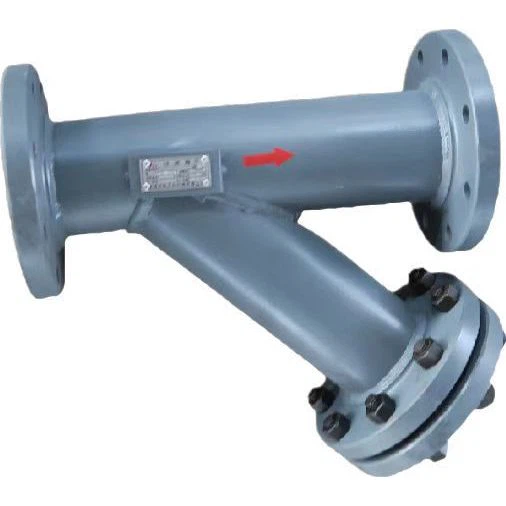
In addition to pipe reinforcement circles, there are other important pipe hangers and accessories that work in conjunction with them. For example, Pipeline Filter is used to remove impurities from the fluid flowing through the pipes, protecting the pipes and the equipment connected to them. U - Type Bolt is commonly used to secure pipes to supports, providing stability and preventing movement. These accessories, along with pipe reinforcement circles, form an integrated system that ensures the efficient and reliable operation of pipelines.
Conclusion
As a supplier of Pipe Reinforcement Circles, I understand the importance of providing high - quality products that meet the specific needs of our customers. The weight of a typical pipe reinforcement circle is influenced by factors such as material, size, and design. By understanding these factors, you can make informed decisions when selecting the right reinforcement circles for your pipeline projects.
If you have any questions about pipe reinforcement circles or need assistance in choosing the appropriate products for your application, please feel free to reach out. We are here to help you with all your pipe hanger and accessory needs and look forward to discussing your procurement requirements.
References
- "Handbook of Pipe Engineering"
- "Materials Science and Engineering: An Introduction"


