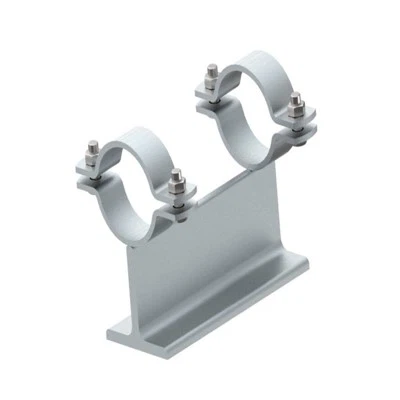
Tower containers are essential components in various industrial applications, serving as reliable vessels for storing and transporting a wide range of substances. As a leading supplier of tower containers, I am often asked about the materials used in their construction. In this blog post, I will delve into the different materials commonly employed in tower container manufacturing, their properties, and their suitability for specific applications.
Steel
Steel is one of the most widely used materials in tower container construction due to its exceptional strength, durability, and versatility. It is a popular choice for applications that require high structural integrity and the ability to withstand heavy loads and harsh environmental conditions.
Carbon Steel
Carbon steel is a common type of steel used in tower containers. It is composed primarily of iron and carbon, with small amounts of other elements such as manganese, silicon, and sulfur. Carbon steel offers good strength and hardness, making it suitable for general-purpose applications. It is also relatively inexpensive compared to other types of steel, making it a cost-effective option for many industries.
However, carbon steel is prone to corrosion, especially in environments with high humidity or exposure to chemicals. To protect against corrosion, carbon steel tower containers are often coated with a protective layer, such as paint or galvanization. This helps to prevent the formation of rust and extends the lifespan of the container.


Stainless Steel
Stainless steel is another popular choice for tower containers, particularly in applications where corrosion resistance is critical. It is an alloy of iron, chromium, and other elements, which gives it excellent resistance to rust and corrosion. Stainless steel is available in different grades, each with its own unique properties and characteristics.
One of the main advantages of stainless steel is its ability to withstand a wide range of temperatures and chemical environments. It is commonly used in industries such as food and beverage, pharmaceuticals, and chemical processing, where the containers need to be resistant to corrosion and contamination. Stainless steel tower containers are also easy to clean and maintain, making them a hygienic choice for many applications.
However, stainless steel is more expensive than carbon steel, which can make it a less cost-effective option for some industries. Additionally, stainless steel has a lower thermal conductivity than carbon steel, which can affect its performance in applications where heat transfer is important.
Aluminum
Aluminum is a lightweight and corrosion-resistant material that is increasingly being used in tower container construction. It is a popular choice for applications where weight reduction is a priority, such as in the aerospace and transportation industries.
One of the main advantages of aluminum is its high strength-to-weight ratio. It is significantly lighter than steel, which makes it easier to transport and install. Aluminum also has excellent corrosion resistance, especially in environments with high humidity or exposure to saltwater. This makes it a suitable choice for applications in coastal areas or offshore platforms.
In addition to its lightweight and corrosion-resistant properties, aluminum is also a good conductor of heat. This makes it a suitable choice for applications where heat transfer is important, such as in High Temperature Tube Preheater and Horizontal Air Cooled Heat Exchanger.
However, aluminum is more expensive than carbon steel and has a lower melting point, which can limit its use in high-temperature applications. It also has a lower strength than steel, which can make it less suitable for applications that require high structural integrity.
Fiberglass Reinforced Plastic (FRP)
Fiberglass reinforced plastic, also known as FRP, is a composite material made of a polymer matrix reinforced with fiberglass. It is a popular choice for tower containers in applications where corrosion resistance, lightweight, and chemical resistance are important.
One of the main advantages of FRP is its excellent corrosion resistance. It is resistant to a wide range of chemicals, including acids, alkalis, and solvents, making it a suitable choice for applications in the chemical and petrochemical industries. FRP is also lightweight, which makes it easier to transport and install. It has a high strength-to-weight ratio, which means that it can withstand heavy loads while remaining relatively lightweight.
Another advantage of FRP is its versatility. It can be molded into different shapes and sizes, making it suitable for a wide range of applications. FRP tower containers can be designed to meet specific requirements, such as high-pressure applications or applications with strict environmental regulations.
However, FRP has a lower strength than steel and aluminum, which can limit its use in applications that require high structural integrity. It also has a lower thermal conductivity than steel and aluminum, which can affect its performance in applications where heat transfer is important.
Composite Materials
Composite materials are a combination of two or more materials with different properties, which are combined to create a material with superior performance. They are increasingly being used in tower container construction, as they offer a unique combination of strength, lightweight, and corrosion resistance.
One of the most common types of composite materials used in tower containers is carbon fiber reinforced polymer (CFRP). CFRP is a composite material made of carbon fibers embedded in a polymer matrix. It has a high strength-to-weight ratio, excellent stiffness, and good corrosion resistance. CFRP is commonly used in applications where weight reduction and high strength are critical, such as in the aerospace and automotive industries.
Another type of composite material used in tower containers is glass fiber reinforced polymer (GFRP). GFRP is a composite material made of glass fibers embedded in a polymer matrix. It is similar to CFRP, but it is less expensive and has a lower strength-to-weight ratio. GFRP is commonly used in applications where corrosion resistance and lightweight are important, such as in the marine and chemical industries.
Composite materials offer several advantages over traditional materials, such as steel and aluminum. They are lightweight, which makes them easier to transport and install. They also have excellent corrosion resistance, which extends the lifespan of the container. Additionally, composite materials can be designed to meet specific requirements, such as high-pressure applications or applications with strict environmental regulations.
However, composite materials are more expensive than traditional materials, which can make them a less cost-effective option for some industries. They also require specialized manufacturing processes, which can increase the production time and cost.
Conclusion
In conclusion, the choice of material for a tower container depends on several factors, including the application, the environment, the required strength and durability, and the budget. Steel, aluminum, and composite materials are all commonly used in tower container construction, each with its own unique properties and advantages.
As a supplier of tower containers, I understand the importance of choosing the right material for each application. I work closely with my customers to understand their specific requirements and recommend the most suitable material for their needs. Whether it's a carbon steel container for general-purpose applications or a stainless steel container for a corrosion-resistant environment, I have the expertise and experience to provide high-quality tower containers that meet the highest standards of performance and reliability.
If you are in the market for a tower container, I encourage you to contact me to discuss your requirements. I would be happy to provide you with more information about our products and services and help you choose the right material for your application. Let's work together to find the perfect solution for your tower container needs.
References
- ASME Boiler and Pressure Vessel Code
- ASTM International Standards
- Corrosion Resistance of Metals and Alloys, by R. Winston Revie
- Handbook of Composite Materials, by P. K. Mallick