


The shamisen, a traditional Japanese lute, has a rich history and a wide range of functions and common uses that have made it an integral part of Japanese culture. As a supplier of Function and Use, I am intrigued by the unique qualities and applications of this musical instrument, much like the diverse functions and uses of the products we offer. In this blog post, we will explore the various functions and common uses of the shamisen.
Musical Function
The primary function of the shamisen is, of course, to produce music. With its distinct sound, the shamisen can create a wide spectrum of tones, from soft and mellow melodies to powerful and energetic rhythms. The instrument has three strings, which are typically made of silk or nylon, and are plucked using a large plectrum called a bachi.
The sound of the shamisen is characterized by its warm, resonant timbre. When played gently, the strings produce a soft, almost ethereal sound that can evoke a sense of tranquility and peace. On the other hand, when played with more force, the shamisen can create a bold and dynamic sound that is perfect for lively performances.
In traditional Japanese music, the shamisen is used in a variety of genres. One of the most well - known is Kabuki, a form of traditional Japanese theater. In Kabuki performances, the shamisen provides the musical backdrop for the elaborate dances, acting, and storytelling. The rhythm and melody of the shamisen help to set the mood of the scenes, whether it is a romantic interlude or an intense battle.
Another genre where the shamisen plays a crucial role is Bunraku, a form of puppet theater. The shamisen accompanies the puppeteers' movements, enhancing the emotional impact of the stories being told. The musicians use different playing techniques to mimic the voices and actions of the puppets, creating a seamless blend of music and performance.
Cultural and Social Function
Beyond its musical function, the shamisen also has significant cultural and social uses. It is deeply ingrained in Japanese cultural heritage and is often used in cultural festivals and ceremonies. For example, during traditional festivals like the Setsubun festival, the shamisen is played to ward off evil spirits and bring good luck. The energetic and powerful sound of the instrument is believed to have the ability to drive away negative forces.
The shamisen also serves as a symbol of Japanese identity. It represents the country's long - standing musical traditions and craftsmanship. Learning to play the shamisen is seen as a way to connect with Japanese culture and history. Many music schools and cultural centers offer shamisen lessons, attracting both Japanese locals and foreigners who are interested in exploring Japanese culture.
In a social context, playing the shamisen can bring people together. Shamisen clubs and groups often organize jam sessions and performances, where musicians can share their skills and passion for the instrument. These gatherings provide a platform for cultural exchange and community building, fostering a sense of unity among participants.
Educational Function
The shamisen has educational value as well. It is used in music education programs in Japan to teach students about traditional music theory, rhythm, and performance skills. By learning to play the shamisen, students can develop a better understanding of Japanese musical heritage and gain a deeper appreciation for cultural diversity.
The process of learning the shamisen involves mastering various techniques, such as plucking, strumming, and using different fingerings. These skills require patience, practice, and precision, which can help students improve their concentration and dexterity. Moreover, studying the shamisen can also enhance students' creativity, as they are encouraged to improvise and express themselves through music.
Common Uses in Contemporary Settings
In contemporary Japan, the shamisen has found new uses and has been incorporated into modern music genres. Many contemporary musicians are blending traditional shamisen sounds with Western musical elements, such as rock, pop, and jazz. This fusion creates a unique and innovative sound that appeals to a wider audience.
For example, some Japanese bands use the shamisen to add an exotic and authentic touch to their music. The instrument's distinct timbre can add a new dimension to modern compositions, making them stand out from the crowd. In addition, the shamisen is also used in film and television soundtracks to create a sense of Japanese atmosphere and culture.
Comparison with Similar Products in Our Catalog
Just as the shamisen has multiple functions and uses, our products such as Constant Spring Support and Double Lug High Precision Spring Hanger also serve a variety of purposes. The shamisen's ability to adapt to different musical genres is similar to how our products can be used in various industrial applications.
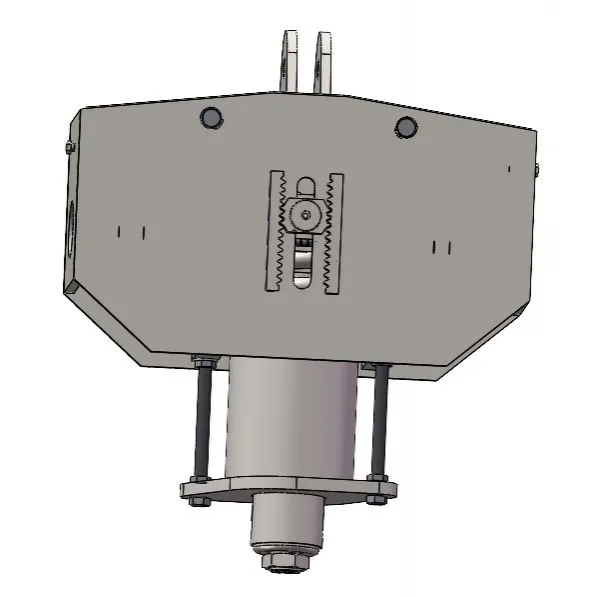
The Constant Spring Support, for instance, is designed to maintain a constant load on a pipe or equipment, regardless of the movement or thermal expansion. This adaptability is crucial in ensuring the stability and safety of industrial systems, much like how the shamisen can adapt to different musical styles to enhance performances.
The Double Lug High Precision Spring Hanger, on the other hand, provides precise support and alignment for pipes. Its high - precision design is similar to the craftsmanship required in making a shamisen, where every detail matters to produce the best sound.

Conclusion
The shamisen is a remarkable instrument with a wide range of functions and common uses. From its musical role in traditional and contemporary music to its cultural, social, and educational significance, the shamisen continues to play an important part in Japanese society.
If you are interested in exploring the functions and uses of our products, similar to the diverse applications of the shamisen, we invite you to contact us for procurement and further discussions. Our team is ready to provide you with detailed information and support to meet your specific needs.
References
- Yamanaka, K. (2008). Traditional Japanese Music: The Shamisen. Tokyo: Nihon Music Publishing.
- Suzuki, M. (2012). The Cultural Significance of the Shamisen in Japanese Society. Kyoto: Kyoto University Press.
- Tanaka, H. (2015). Contemporary Adaptations of the Shamisen in Japanese Music. Osaka: Osaka Music Institute.


