In high-temperature applications, pipe supports play a crucial role. As a pipe support supplier, I'm often asked about the special considerations for these high - temperature scenarios. Let's dive right in and explore what you need to keep in mind.
First off, the material of the pipe supports is super important. At high temperatures, standard materials might not cut it. For instance, regular steel can lose its strength and start to deform when exposed to extreme heat for an extended period. We need to use materials that can withstand the high temperatures without significant loss of mechanical properties. Stainless steel is a popular choice as it has good heat resistance and corrosion resistance. Heat-resistant alloys like nickel - chromium - iron alloys are also great options. They can handle temperatures way above what regular steels can tolerate. These alloys have excellent strength and toughness at high temperatures, ensuring that the pipe supports can hold up the pipes properly.
Another key consideration is thermal expansion. Pipes expand when heated, and this expansion can cause a lot of stress on the supports if not properly accounted for. We need to design the pipe supports in a way that allows for this expansion. One common approach is to use flexible supports or expansion joints. Flexible supports can absorb some of the movement caused by thermal expansion, reducing the stress on the pipe and the support itself. Expansion joints are designed to allow the pipe to expand and contract freely without transmitting excessive forces to the support structure.
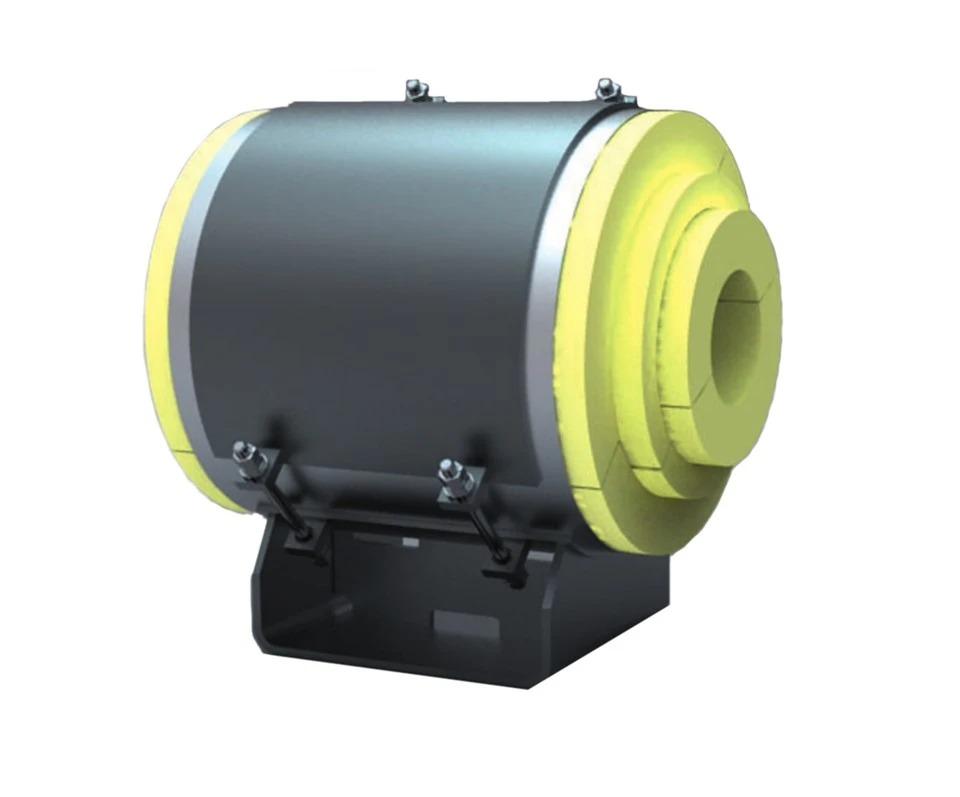
We also have to think about insulation. In high - temperature applications, insulating the pipe supports can help in several ways. It can prevent heat loss from the pipes, improve energy efficiency, and protect the surrounding environment from the high temperatures. Additionally, insulation can reduce the temperature of the support itself, which helps to maintain its mechanical properties. For example, ceramic fiber insulation is often used because it has excellent heat - insulating properties and can withstand very high temperatures.
The installation of pipe supports in high - temperature applications is also different from normal situations. The supports need to be installed securely to ensure they can handle the additional stresses caused by the high temperatures and thermal expansion. We have to make sure that the mounting points are strong enough and that the supports are properly aligned. Any misalignment can lead to uneven loading on the supports, which can cause premature failure.
Now, let's talk about some of the specific types of pipe supports we offer that are suitable for high - temperature applications. We have Cold/Cryogenic Pipe Support For Oil And Gas which, although it might seem like it's for cold applications from the name, can be adapted for high - temperature use with the right modifications. These supports are designed to handle the unique requirements of the oil and gas industry, and with the appropriate material selection and design changes, they can perform well in high - temperature scenarios.
Counterweights are another important part of our product line. In high - temperature applications, counterweights can be used to balance the pipes and reduce the stress on the supports. They can help to keep the pipes in the correct position, even when there are thermal expansions and contractions.
We also offer Cold/Cryogenic Pipe Support For LNG which can be adjusted for high - temperature applications. These supports are designed to be very reliable and can be customized to meet the specific needs of high - temperature projects.
When dealing with high - temperature pipe supports, maintenance is a must. Regular inspections are needed to check for any signs of wear, deformation, or damage. We should look for cracks in the support material, loose connections, or any other issues that could affect the performance of the supports. If any problems are found, they should be addressed immediately to prevent further damage and potential failures.
In high - temperature applications, the environment can also have a big impact on the pipe supports. For example, if the pipes are in a corrosive environment, the supports need to be protected from corrosion. We can use coatings or corrosion - resistant materials to ensure the longevity of the supports. Also, if there are vibrations in the system, the supports need to be designed to dampen these vibrations. Otherwise, the vibrations can cause fatigue in the support material, leading to premature failure.
As a pipe support supplier, we understand that every high - temperature project is unique. That's why we work closely with our customers to understand their specific needs and provide customized solutions. Whether it's a small - scale industrial project or a large - scale power plant, we have the expertise and the products to meet your requirements.

If you're in the market for high - temperature pipe supports, don't hesitate to reach out to us. We're here to answer all your questions and help you find the best solutions for your project. Our team of experts is ready to assist you from the initial design stage to the installation and maintenance of the pipe supports. Let's work together to ensure the success of your high - temperature application.
References
- ASME B31.3 - Process Piping Code.
- API 650 - Welded Steel Tanks for Oil Storage.
- Manufacturer's technical data sheets for heat - resistant materials.