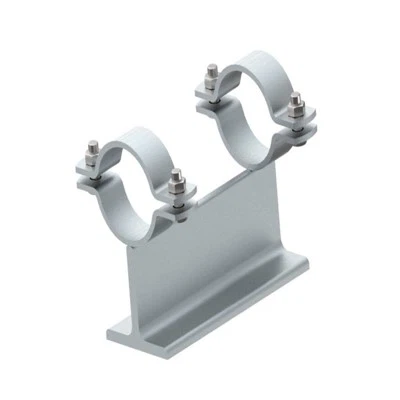
As a damper supplier, I have witnessed firsthand the widespread use and numerous benefits of dampers in various industries. Dampers play a crucial role in controlling vibrations, absorbing shocks, and ensuring the stability and safety of mechanical systems. However, like any technology, dampers are not without their disadvantages. In this blog post, I will explore some of the potential drawbacks associated with dampers and discuss how they can be mitigated.
1. Cost
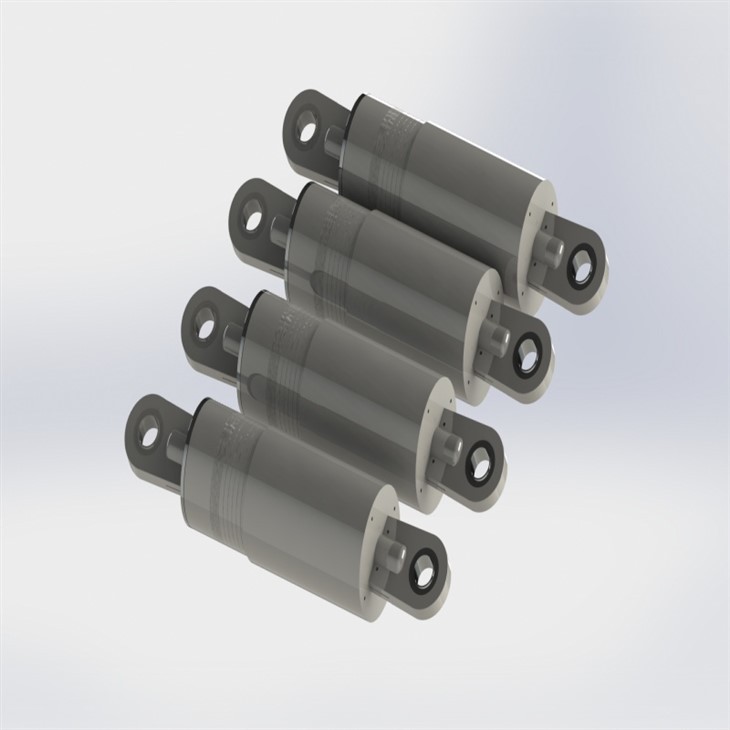
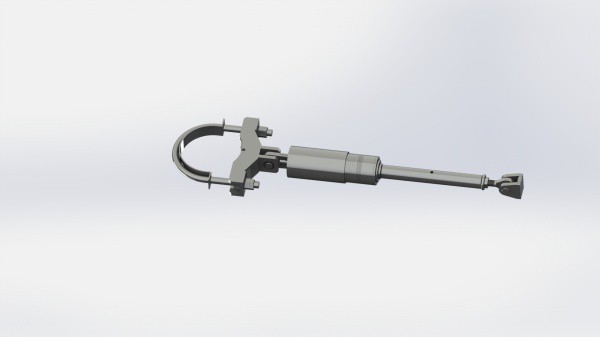
One of the most significant disadvantages of dampers is their cost. High - quality dampers, especially those designed for specialized applications, can be quite expensive. The manufacturing process often involves precision engineering, the use of high - grade materials, and strict quality control measures, all of which contribute to the overall cost. For example, Hydraulic Damper systems, which are known for their excellent damping performance, typically require complex hydraulic components and seals. These components need to be carefully designed and manufactured to ensure reliable operation, and this drives up the price.
For small - scale projects or budget - constrained applications, the cost of dampers can be a major deterrent. Companies may have to look for alternative solutions or compromise on the quality of the dampers, which can lead to sub - optimal performance in the long run.
2. Maintenance Requirements
Dampers require regular maintenance to ensure their proper functioning. Over time, the internal components of a damper can wear out, the fluid in hydraulic dampers may degrade, and seals can develop leaks. For instance, Hydraulic Shock Absorber units need to be checked periodically for fluid levels and signs of leakage. If the fluid level is low or there is a leak, it can significantly affect the damping performance and may even lead to complete failure of the shock absorber.
Maintenance also involves cleaning, lubrication, and inspection of the damper's moving parts. This not only requires time and effort but also incurs additional costs. In some industrial settings where access to the dampers is difficult, maintenance can become even more challenging and expensive.
3. Limited Lifespan
All dampers have a limited lifespan, which is influenced by factors such as the operating environment, the frequency and intensity of use, and the quality of the damper itself. In harsh environments with high temperatures, high humidity, or exposure to corrosive substances, the lifespan of a damper can be significantly reduced. For example, dampers used in outdoor applications or in chemical plants may experience accelerated wear and corrosion.
Once a damper reaches the end of its lifespan, it needs to be replaced. This can be a costly and time - consuming process, especially for large - scale systems where multiple dampers are installed. Moreover, unexpected damper failures can lead to downtime in industrial operations, resulting in lost production and additional costs.
4. Performance Limitations
Dampers are designed to work within a specific range of operating conditions. If the actual operating conditions deviate from the design specifications, the performance of the damper may be compromised. For example, a damper that is designed for a certain frequency range may not provide effective damping at frequencies outside of this range.
In addition, extreme loads or sudden shocks can exceed the capacity of a damper, causing it to malfunction or even fail. This can be a serious issue in applications where the loads are unpredictable or where there is a risk of sudden impact, such as in automotive crash situations or in earthquake - prone areas.
5. Environmental Impact
The manufacturing and disposal of dampers can have an environmental impact. The production of dampers often involves the use of energy - intensive processes and the consumption of raw materials. Some of these materials, such as certain metals and synthetic fluids, may have a significant environmental footprint.
When dampers reach the end of their useful life, proper disposal is crucial to prevent environmental contamination. Hydraulic dampers, for example, contain fluids that can be harmful if released into the environment. Recycling or proper disposal of these components requires specialized facilities and processes, which can be costly and not always readily available.
Mitigating the Disadvantages
While the disadvantages of dampers are significant, there are ways to mitigate them. Here are some strategies:
- Cost - effective Solutions: As a damper supplier, we offer a range of products at different price points to meet the diverse needs of our customers. We also work closely with clients to understand their requirements and recommend the most cost - effective solutions. For example, in some cases, a simpler damper design may be sufficient to achieve the desired damping performance, reducing the overall cost.
- Proactive Maintenance: We provide comprehensive maintenance guidelines and support to our customers. By following a regular maintenance schedule, the lifespan of dampers can be extended, and potential problems can be detected and addressed early. We also offer training programs to help our customers' maintenance teams perform the necessary tasks effectively.
- Custom - designed Dampers: To overcome performance limitations, we offer custom - designed dampers that are tailored to specific operating conditions. Our engineering team uses advanced simulation and testing techniques to ensure that the dampers meet the exact requirements of the application. This helps to optimize the performance and reliability of the dampers.
- Environmental Responsibility: We are committed to reducing the environmental impact of our products. We use sustainable manufacturing processes and materials whenever possible. In addition, we provide guidance on the proper disposal and recycling of our dampers to minimize their environmental footprint.
Conclusion
In conclusion, while dampers offer many benefits in terms of vibration control and shock absorption, they do have some disadvantages. The cost, maintenance requirements, limited lifespan, performance limitations, and environmental impact are all factors that need to be considered when selecting and using dampers. However, with the right strategies and solutions, these disadvantages can be effectively mitigated.
As a damper supplier, we are dedicated to providing high - quality products and services that address these challenges. If you are interested in learning more about our damper solutions or have any questions regarding the use of dampers in your application, we encourage you to contact us for a detailed discussion and potential procurement. Our team of experts is ready to assist you in finding the best damper solution for your needs.
References
- Johnson, R. (2018). Vibration and Shock Absorption in Mechanical Systems. New York: Engineering Press.
- Smith, A. (2020). Hydraulic Damper Technology and Applications. London: Fluid Dynamics Publishing.