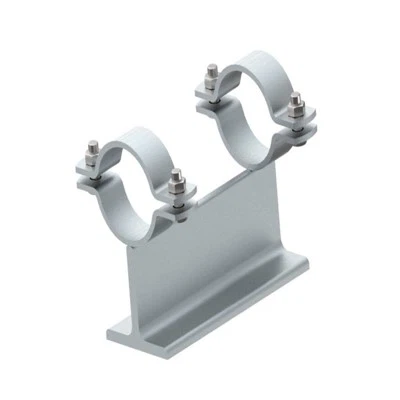
Hey there! I'm a supplier in the muffler business, and today I wanna chat about a question that comes up a lot: Are turbo mufflers more expensive than regular mufflers?
Let's start by getting a clear idea of what these two types of mufflers are. A Muffler is a device used to reduce the noise emitted by an engine. It works by using a series of chambers and tubes to cancel out or reduce the sound waves produced by the engine's exhaust.
Regular mufflers are the most common type you'll find on everyday vehicles. They're designed to provide a good balance between noise reduction and exhaust flow. They're usually made from relatively standard materials and have a straightforward design. This simplicity means they can be mass - produced, which helps keep the cost down.
On the other hand, turbo mufflers are a bit more specialized. They're often used in high - performance vehicles, like sports cars or turbocharged engines. Turbo engines produce a different kind of exhaust flow compared to regular engines. The exhaust gases come out at higher pressures and velocities. Turbo mufflers are engineered to handle these specific conditions. They need to be able to deal with the increased stress and still provide effective noise reduction.
Now, let's talk about the factors that affect the cost of these mufflers.
1. Materials
Regular mufflers are typically made from common metals like steel. Steel is relatively inexpensive and easy to work with. It can withstand the normal heat and pressure of a regular engine's exhaust.
Turbo mufflers, however, often require more advanced materials. For example, some turbo mufflers are made from stainless steel or even titanium. Stainless steel is more corrosion - resistant and can handle higher temperatures, which is important in a turbocharged engine where the exhaust gets really hot. Titanium is even better as it's lightweight and extremely strong. But these materials are a lot more expensive than regular steel. So, right off the bat, the material cost for turbo mufflers is higher.
2. Design and Engineering
The design of a regular muffler is pretty standard. There are well - established patterns and configurations that work well for most engines. Manufacturers can use these tried - and - true designs without having to spend a lot on research and development.
Turbo mufflers, on the other hand, need to be custom - engineered. Engineers have to take into account the unique characteristics of turbocharged engines, such as the pulsating exhaust flow and the high backpressure. This requires more time, expertise, and resources. The cost of this design and engineering work gets added to the price of the turbo muffler.
3. Manufacturing Process
Regular mufflers can be produced using relatively simple manufacturing techniques. They can be stamped, welded, and assembled on a large - scale production line. This mass - production method allows manufacturers to produce them quickly and at a low cost per unit.

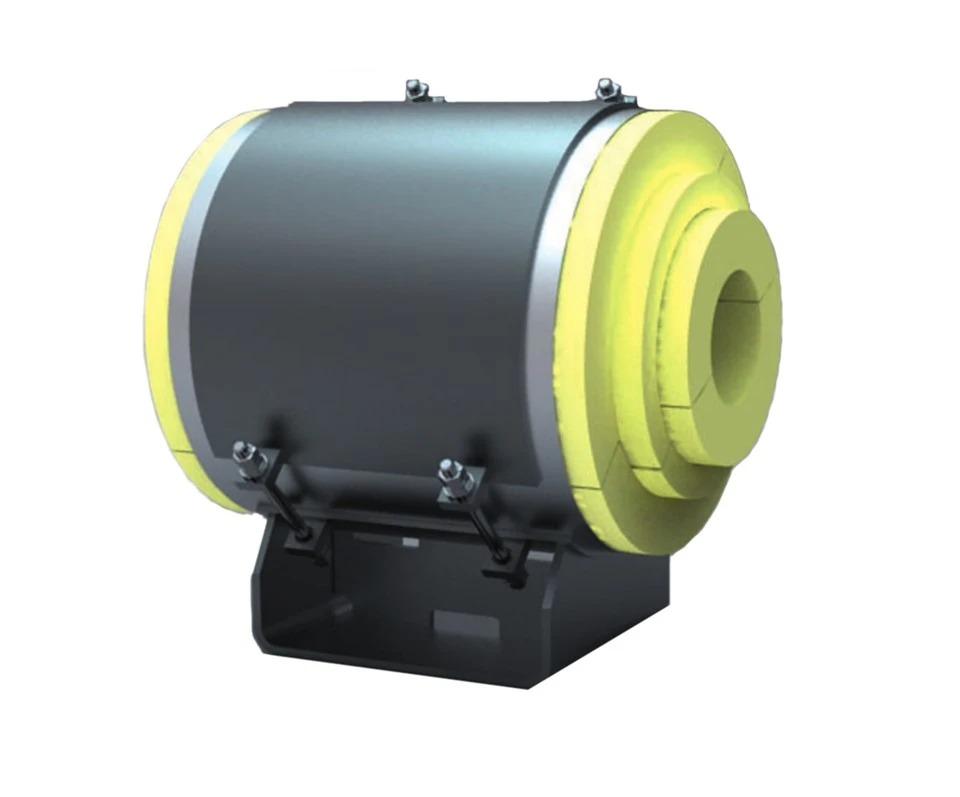
Turbo mufflers, due to their complex design and the use of special materials, often require more precise manufacturing processes. For example, they might need to be machined to exact specifications or have special coatings applied. These additional steps make the manufacturing process more time - consuming and expensive.
4. Performance Requirements
Regular mufflers are mainly focused on reducing noise to an acceptable level for daily driving. They don't need to provide any extra performance benefits.
Turbo mufflers, in addition to noise reduction, are expected to enhance the performance of the turbocharged engine. They need to optimize the exhaust flow to improve horsepower and torque. Meeting these performance requirements adds to the cost of development and production.
So, based on all these factors, it's pretty clear that turbo mufflers are generally more expensive than regular mufflers. But how much more expensive are we talking about?
The price difference can vary widely depending on the brand, quality, and the specific vehicle they're designed for. On average, a regular muffler for a common passenger car might cost anywhere from $50 to $200. A turbo muffler, on the other hand, can cost anywhere from $200 to $1000 or more.
Now, you might be wondering if the extra cost of a turbo muffler is worth it. Well, if you have a high - performance vehicle or a turbocharged engine, a turbo muffler can make a big difference. It can improve the engine's performance, give your car a more aggressive sound, and last longer due to the better materials.
But if you're just driving a regular car for daily commuting, a regular muffler will do the job just fine. It'll keep the noise down and won't break the bank.
In the industrial world, mufflers also play an important role. For example, in oil refineries, chemical plants, and natural gas facilities, Pipe Clamps In Oil Refineries, Chemical Plants, And Natural Gas Facilities are used to secure pipes, and mufflers are used to reduce the noise from the equipment. And in the field of LNG, Cold/Cryogenic Pipe Support For LNG is crucial for the safe and efficient operation of the facilities.
If you're in the market for a muffler, whether it's a regular one or a turbo muffler, I'm here to help. As a supplier, I have a wide range of options to meet your needs. Whether you're a car enthusiast looking to upgrade your vehicle's performance or a business owner in need of industrial - grade mufflers, I can provide you with high - quality products at competitive prices.
Don't hesitate to reach out if you have any questions or if you're interested in purchasing. I'm always happy to have a chat and help you find the right muffler for your situation.
References
- "Automotive Exhaust Systems" - A technical guide on exhaust components including mufflers.
- Industry reports on the manufacturing and pricing of automotive parts.