When it comes to the world of industrial infrastructure, cold pipe supports play a crucial role in ensuring the efficient and safe operation of various systems. As a supplier of cold pipe supports, I often encounter questions from clients regarding import/export regulations. These regulations can significantly impact the procurement and delivery of our products, so it's essential to have a clear understanding of them.


Understanding Cold Pipe Supports
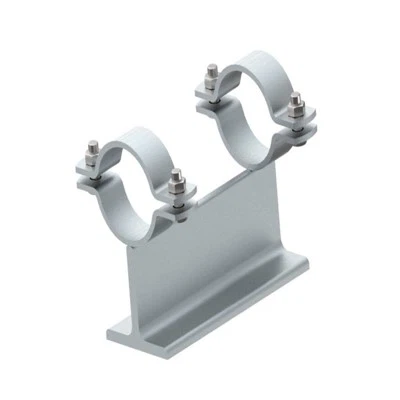
Cold pipe supports are designed to handle pipes that carry fluids at low temperatures, such as in cryogenic applications or refrigeration systems. They are engineered to provide stability, prevent heat transfer, and accommodate thermal expansion and contraction. There are different types of cold pipe supports available, each tailored to specific requirements. For instance, the Guided Cold Insulation Pipe Support is designed to guide the pipe while providing insulation, ensuring that the cold fluid inside the pipe maintains its temperature. The Restraint and Guide Cold Pipe Support offers both restraint and guidance functions, which are essential for pipes that need to be held in place while allowing for some movement. And the Cryogenic Pipe Support For LNG is specifically designed for liquefied natural gas applications, where extremely low temperatures are involved.
The Importance of Import/Export Regulations
Import/export regulations are put in place by governments to ensure the safety, quality, and compliance of goods being traded across borders. For cold pipe supports, these regulations can cover a wide range of aspects, including product standards, packaging requirements, documentation, and tariffs.
Product Standards
Different countries have their own set of standards for industrial products, including cold pipe supports. These standards may specify the materials used, the manufacturing processes, and the performance requirements. For example, some countries may require cold pipe supports to be made from specific types of materials that are resistant to corrosion and can withstand low temperatures. As a supplier, it's our responsibility to ensure that our products meet the relevant standards of the countries we are exporting to. This may involve obtaining certifications or conducting tests to prove compliance.
Packaging Requirements
Proper packaging is essential to protect cold pipe supports during transportation. Import/export regulations may dictate the type of packaging materials to be used, the labeling requirements, and the way the products should be packed. For instance, some countries may require that the packaging be made from environmentally friendly materials or that it clearly displays information such as the product name, model number, and handling instructions.
Documentation
Accurate documentation is crucial for a smooth import/export process. This includes invoices, bills of lading, certificates of origin, and quality control documents. The documentation should provide detailed information about the products, such as their description, quantity, value, and origin. Failure to provide the correct documentation can lead to delays at customs or even the rejection of the shipment.
Tariffs
Tariffs are taxes imposed on imported goods. The rate of tariffs can vary depending on the country of import, the type of product, and the trade agreements in place. As a supplier, we need to be aware of the tariff rates applicable to our cold pipe supports in different countries. This information is important for pricing our products competitively and for calculating the total cost of the shipment for our clients.
Navigating Import/Export Regulations
Navigating the complex world of import/export regulations can be challenging, but with the right approach, it can be managed effectively.
Research and Compliance
The first step is to conduct thorough research on the import/export regulations of the target countries. This can involve consulting government websites, trade associations, or hiring a customs broker. Once we have a clear understanding of the regulations, we need to ensure that our products and processes are compliant. This may require making some adjustments to our manufacturing, packaging, or documentation procedures.
Building Relationships
Building strong relationships with customs officials, freight forwarders, and other stakeholders in the import/export process can also be beneficial. These relationships can help us stay informed about any changes in the regulations and can provide us with support and guidance when needed.
Continuous Monitoring
Import/export regulations are subject to change, so it's important to continuously monitor them. We need to stay updated on any new requirements or amendments that may affect our business. This can involve subscribing to industry newsletters, attending trade seminars, or joining professional networks.
How Our Company Can Help
As a leading supplier of cold pipe supports, we have extensive experience in dealing with import/export regulations. We have a dedicated team that is responsible for ensuring that our products meet the relevant standards and requirements of different countries. We work closely with our clients to understand their specific needs and to provide them with customized solutions.
We offer a wide range of cold pipe supports that are designed to meet the highest quality standards. Our products are manufactured using the latest technology and materials, and they undergo rigorous testing to ensure their performance and reliability. We also provide comprehensive documentation and packaging services to ensure a smooth import/export process.
If you are in the market for cold pipe supports and have any questions about import/export regulations, please don't hesitate to contact us. Our team of experts is ready to assist you with your procurement needs and to provide you with the information and support you need to make an informed decision. We look forward to the opportunity to work with you and to help you find the best cold pipe support solutions for your projects.
Conclusion
Import/export regulations are an important consideration for suppliers of cold pipe supports. By understanding and complying with these regulations, we can ensure the smooth and efficient delivery of our products to clients around the world. As a supplier, we are committed to providing high-quality cold pipe supports that meet the needs of our clients while adhering to all relevant regulations. If you are interested in learning more about our products or have any questions about the import/export process, please reach out to us. We are here to help you navigate the complexities of international trade and to provide you with the best possible solutions.
References
- International Chamber of Commerce. (2023). Incoterms 2020: A Global Standard for International Trade.
- World Trade Organization. (2023). Trade Statistics and Market Access Data.
- Various government websites of target countries for specific import/export regulations.