As a supplier of cold pipe supports, I've seen firsthand the challenges that come with maintaining these crucial components. Cold pipe supports play a vital role in various industries, including oil and gas, chemical processing, and refrigeration. They're designed to handle extremely low temperatures, ensuring the safe and efficient operation of pipelines. But let's face it, keeping them in top - notch condition isn't a walk in the park.
Thermal Expansion and Contraction
One of the biggest headaches when it comes to cold pipe support maintenance is dealing with thermal expansion and contraction. Cold pipes are exposed to significant temperature changes, and this causes them to expand and contract. When a pipe cools down, it contracts, and when it warms up, it expands. This constant movement puts a lot of stress on the cold pipe supports.
For example, in a liquefied natural gas (LNG) facility, the pipes carrying the super - cold LNG can experience extreme temperature drops. As the pipes contract, the cold pipe supports need to accommodate this movement without losing their structural integrity. If the supports aren't designed or maintained properly, they can become misaligned or damaged. This misalignment can lead to uneven stress distribution on the pipes, increasing the risk of leaks or even pipe failure.
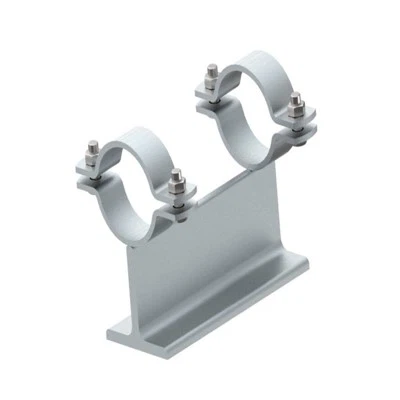
To address this issue, regular inspections are a must. You have to check for any signs of wear and tear, such as cracks or deformation, caused by the thermal cycles. And it's also important to ensure that the supports are properly lubricated if they're of the sliding type. Sliding Cold Insulation Pipe Supports are designed to allow some movement, but they need to slide smoothly to prevent excessive stress on the pipes.
Corrosion
Corrosion is another major challenge in cold pipe support maintenance. Cold environments, especially those with high humidity or exposure to chemicals, can accelerate the corrosion process. The cold temperatures can cause moisture to condense on the surface of the supports, and if there are any contaminants in the air or on the pipes, it can lead to rust and other forms of corrosion.
In offshore oil and gas platforms, for instance, the cold pipe supports are exposed to a harsh marine environment. Saltwater spray, high humidity, and the presence of various chemicals can quickly corrode the supports. Corrosion can weaken the structure of the supports, reducing their load - bearing capacity. If left unchecked, it can lead to the failure of the support and potentially cause a major pipeline incident.
To combat corrosion, proper coating and material selection are crucial. Using corrosion - resistant materials like stainless steel or applying protective coatings can significantly extend the lifespan of the cold pipe supports. Regular cleaning and inspection are also necessary to remove any corrosive agents and detect early signs of corrosion.
Insulation Integrity
Cold pipe supports often rely on insulation to maintain the low temperatures of the pipes and prevent heat transfer. However, maintaining the integrity of the insulation can be quite challenging. Over time, the insulation can degrade due to mechanical damage, moisture ingress, or chemical exposure.
For example, in a refrigeration system, the insulation on the cold pipe supports can be damaged during routine maintenance or due to vibrations from the equipment. Once the insulation is compromised, heat can start to transfer from the surrounding environment to the pipes. This not only increases energy consumption but also affects the performance of the entire system.
To ensure the insulation integrity, regular inspections are essential. You need to look for any signs of damage, such as cracks, gaps, or dislodging of the insulation material. If any issues are found, the insulation should be repaired or replaced immediately. Cryogenic Pipe Support For LNG often require high - quality insulation to handle the extremely low temperatures of LNG, and maintaining this insulation is key to the safe and efficient operation of the system.
Load Distribution
Proper load distribution is a critical aspect of cold pipe support maintenance. Cold pipes are subject to various loads, including the weight of the pipe itself, the fluid inside, and external forces such as wind and seismic activity. The cold pipe supports need to distribute these loads evenly to prevent overloading of any single support.
In a large - scale chemical processing plant, for example, the pipes can be quite long and heavy. If the supports aren't configured correctly to distribute the loads, some supports may bear more weight than they're designed for. This can lead to premature failure of those supports and cause problems for the entire pipeline system.
To ensure proper load distribution, accurate calculations and design are required during the installation of the cold pipe supports. And during maintenance, it's important to check for any changes in the load conditions, such as changes in the fluid flow rate or the addition of new equipment. If necessary, adjustments should be made to the supports to ensure even load distribution. Restraint Cold Pipe Support can play an important role in controlling the movement of the pipes and ensuring proper load distribution.
Seismic and Vibration Resistance
In areas prone to seismic activity or where there are high - vibration equipment, cold pipe supports need to be able to withstand these forces. Earthquakes and vibrations can cause significant stress on the supports and pipes, increasing the risk of damage.
For example, in a power plant where there are large turbines and generators, the vibrations can be quite intense. If the cold pipe supports aren't designed to resist these vibrations, they can become loose or damaged over time. And in seismic - prone regions, a single earthquake can cause widespread damage to the pipeline system if the supports aren't properly engineered.
To enhance seismic and vibration resistance, special design features can be incorporated into the cold pipe supports. This may include using flexible connectors or shock - absorbing materials. Regular inspections should also be carried out to check for any signs of damage caused by vibrations or seismic events.
Maintaining cold pipe supports is a complex task that requires attention to detail and regular upkeep. From dealing with thermal expansion and corrosion to ensuring insulation integrity and proper load distribution, there are many factors to consider. As a supplier of cold pipe supports, I understand the importance of providing high - quality products and supporting our customers with the necessary information for maintenance.
If you're facing any challenges with the maintenance of your cold pipe supports or are looking to purchase reliable cold pipe supports, I encourage you to reach out for a discussion. We're here to help you find the best solutions for your specific needs.


References
- Pipe Support Engineering Handbook, Various Authors
- Industrial Pipeline Maintenance Best Practices, Industry Publications