


Hey there! As a sight glass supplier, I often get asked about how to select the right sight glass for high - flow applications. It's a crucial decision because a poorly chosen sight glass can lead to all sorts of issues, from inaccurate flow monitoring to potential system failures. So, let's dive right in and explore the key factors you need to consider when making this important choice.
Flow Rate and Capacity
The first thing you gotta look at is the flow rate of your system. High - flow applications typically involve large volumes of fluid moving through the pipeline at a fast pace. You need a sight glass that can handle this flow without causing significant pressure drops. A sight glass with a too - small opening will restrict the flow, creating backpressure and potentially damaging other components in the system.
To determine the appropriate size of the sight glass, you'll need to know the maximum flow rate of your application. You can usually find this information in the system's specifications. Once you have that number, you can start looking at sight glasses with a capacity that matches or exceeds it. For example, if your system has a maximum flow rate of 1000 gallons per minute (GPM), you'll want a sight glass that can comfortably handle at least that much.
Material Compatibility
Another super important factor is material compatibility. The sight glass you choose must be able to withstand the chemical and physical properties of the fluid flowing through it. Different fluids can have different levels of corrosiveness, temperature, and pressure, so you need to pick a material that can hold up under these conditions.
For example, if you're dealing with a highly corrosive fluid like hydrochloric acid, you can't use a standard glass sight glass. Instead, you might need a sight glass made of a more resistant material like borosilicate glass or a plastic like polycarbonate. On the other hand, if you're working with a high - temperature fluid, you'll need a sight glass that can handle the heat without cracking or deforming.
Visibility
One of the main reasons for using a sight glass is to be able to visually monitor the flow of fluid in the pipeline. So, visibility is a big deal. You want a sight glass that provides a clear, unobstructed view of the fluid.
There are a few things that can affect visibility. First, the type of glass or plastic used in the sight glass can make a difference. Some materials are more transparent than others. Second, the design of the sight glass can also impact visibility. A well - designed sight glass will have a smooth interior surface that doesn't collect debris or cause turbulence in the fluid, which can make it harder to see.
Pressure and Temperature Ratings
High - flow applications often come with high pressures and temperatures. You need a sight glass that can handle these conditions without failing. Make sure to check the pressure and temperature ratings of the sight glass before you buy it.
The pressure rating indicates the maximum pressure the sight glass can withstand without breaking. Similarly, the temperature rating tells you the maximum and minimum temperatures the sight glass can handle. If the pressure or temperature in your system exceeds the ratings of the sight glass, it could lead to a catastrophic failure.
Installation and Maintenance
Ease of installation and maintenance are also important considerations. You want a sight glass that's easy to install in your pipeline without requiring a lot of specialized tools or expertise. Additionally, it should be easy to clean and maintain to ensure long - term performance.
Some sight glasses come with features that make installation and maintenance a breeze. For example, some have a quick - release mechanism that allows you to easily remove the sight glass for cleaning or inspection. Others have a self - cleaning design that helps prevent the buildup of debris.
Additional Accessories
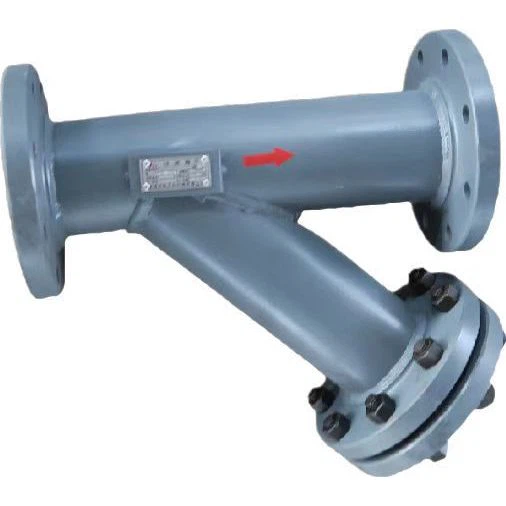
In some high - flow applications, you might need additional accessories to enhance the performance of the sight glass. For example, you might want to consider using a Pipeline Filter to remove any debris or contaminants from the fluid before it enters the sight glass. This can help improve visibility and prevent damage to the sight glass.
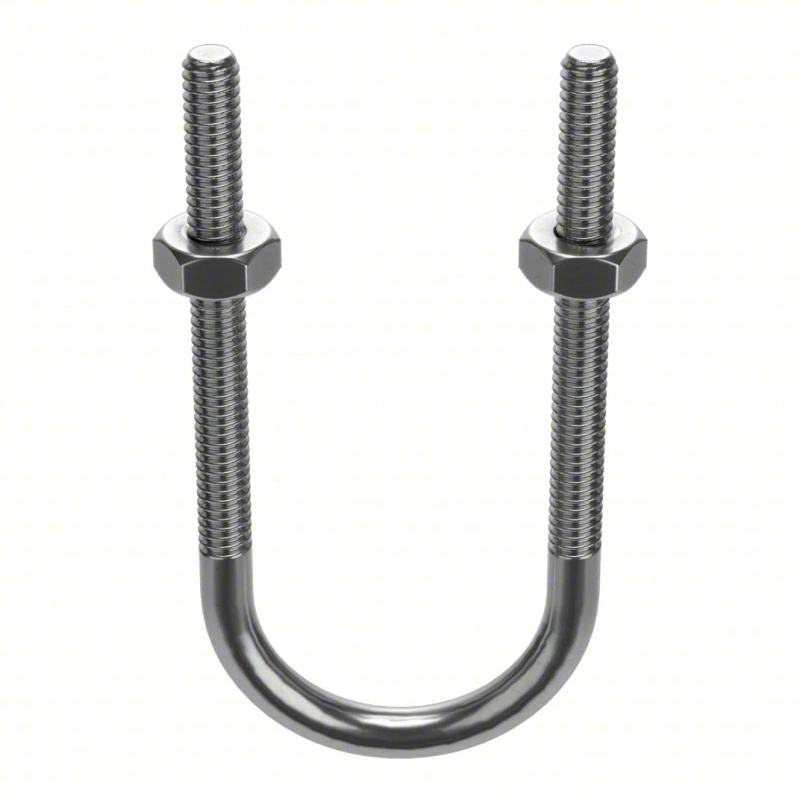
Another useful accessory is a Pipe Reinforcement Circle. This can help strengthen the pipeline around the sight glass, especially in applications where there are high pressures or vibrations. And if you need to secure the sight glass in place, a U-Type Bolt can be a great option.
Cost
Of course, cost is always a factor. You want to find a sight glass that meets all your requirements without breaking the bank. However, it's important not to sacrifice quality for price. A cheap sight glass that fails prematurely can end up costing you more in the long run due to downtime, repairs, and replacement costs.
When comparing prices, make sure to consider the overall value of the sight glass. Look at factors like the material quality, performance, and warranty. Sometimes, it's worth paying a little more for a higher - quality sight glass that will last longer and perform better.
Conclusion
Selecting the right sight glass for a high - flow application is a complex decision that requires careful consideration of several factors. By taking the time to evaluate the flow rate, material compatibility, visibility, pressure and temperature ratings, installation and maintenance requirements, additional accessories, and cost, you can make an informed choice that will ensure the reliable performance of your system.
If you're still not sure which sight glass is right for your application, don't hesitate to reach out. As a sight glass supplier, I have the expertise and experience to help you find the perfect solution. Whether you have questions about specific products or need advice on installation and maintenance, I'm here to assist you. Let's work together to ensure your high - flow application runs smoothly and efficiently.
References
- Chemical Engineering Handbook. Various editions.
- Pipe Fittings and Valves Manufacturer's Guides.
- Industry Standards for Sight Glasses and Pipeline Components.


