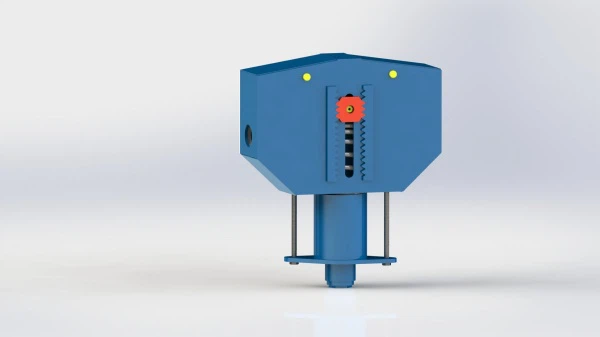
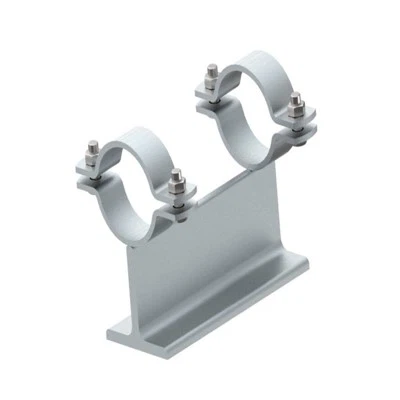
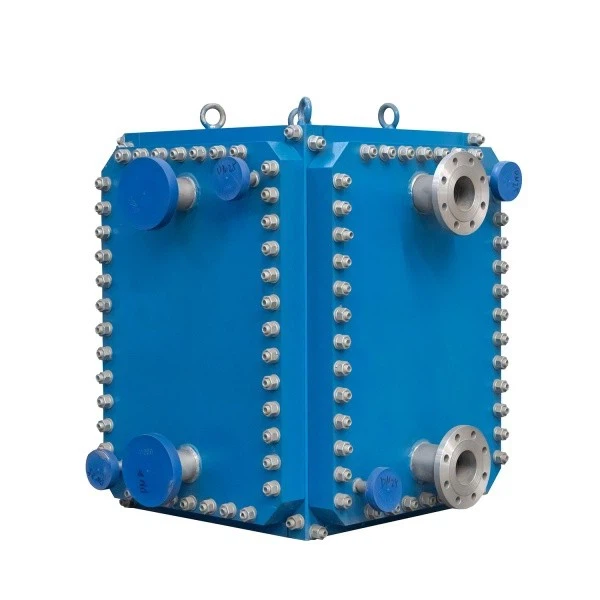
As a supplier of Constant Spring Supports, ensuring the integrity of these crucial components during transportation is of utmost importance. Constant Spring Supports play a vital role in various industrial applications, providing consistent support and counteracting the effects of thermal expansion and contraction. Any damage during transportation can compromise their performance and reliability, leading to potential safety hazards and costly downtime. In this blog, I will share some key strategies and best practices to ensure the integrity of Constant Spring Supports during transit.
Understanding the Importance of Transportation Integrity
Before delving into the specific measures, it's essential to understand why maintaining the integrity of Constant Spring Supports during transportation is so critical. These supports are designed to provide a constant force over a specified range of motion, which is essential for the proper functioning of piping systems, equipment, and structures. Any damage to the springs, housing, or other components can alter the support's performance characteristics, leading to uneven loading, excessive stress, and potential failure.
Moreover, damaged Constant Spring Supports may not meet the required safety standards, putting personnel and equipment at risk. In industries such as power generation, petrochemicals, and aerospace, where safety is paramount, the consequences of a support failure can be catastrophic. Therefore, ensuring the integrity of these supports during transportation is not only a matter of product quality but also a crucial safety consideration.
Packaging and Protection
One of the most effective ways to ensure the integrity of Constant Spring Supports during transportation is to use appropriate packaging and protection methods. The packaging should be designed to withstand the rigors of transit, including vibration, shock, and moisture. Here are some key considerations for packaging Constant Spring Supports:
- Customized Packaging: Each Constant Spring Support should be packaged in a custom-designed box or crate that provides a snug fit and prevents movement during transit. The packaging should be made of high-quality materials, such as corrugated cardboard or wooden crates, and should be reinforced with additional padding or cushioning to absorb shock and vibration.
- Internal Protection: Inside the packaging, the Constant Spring Supports should be protected with additional layers of padding or cushioning, such as foam inserts or bubble wrap. This will help to prevent damage to the springs, housing, and other components during transit.
- Sealing and Labeling: The packaging should be sealed to prevent moisture and dust from entering. It should also be labeled clearly with the product name, model number, quantity, and handling instructions. This will help to ensure that the supports are handled correctly during transit and storage.
Handling and Loading
Proper handling and loading are also crucial for ensuring the integrity of Constant Spring Supports during transportation. The supports should be handled with care to avoid damage, and they should be loaded onto the transport vehicle in a way that minimizes the risk of movement or shifting. Here are some key considerations for handling and loading Constant Spring Supports:
- Trained Personnel: Only trained personnel should handle and load the Constant Spring Supports. They should be familiar with the proper handling procedures and should use appropriate equipment, such as forklifts or pallet jacks, to move the supports safely.
- Secure Loading: The supports should be loaded onto the transport vehicle in a way that ensures they are secure and stable. They should be stacked neatly and should be secured with straps or other fastening devices to prevent movement during transit.
- Avoid Overloading: The transport vehicle should not be overloaded with Constant Spring Supports. Overloading can cause the vehicle to become unstable and can increase the risk of damage to the supports during transit.
Transportation Mode and Route
The choice of transportation mode and route can also have a significant impact on the integrity of Constant Spring Supports during transit. Different transportation modes, such as road, rail, air, and sea, have different levels of vibration, shock, and temperature variations. Therefore, it's essential to choose the transportation mode that is most suitable for the specific requirements of the supports. Here are some key considerations for choosing the transportation mode and route:
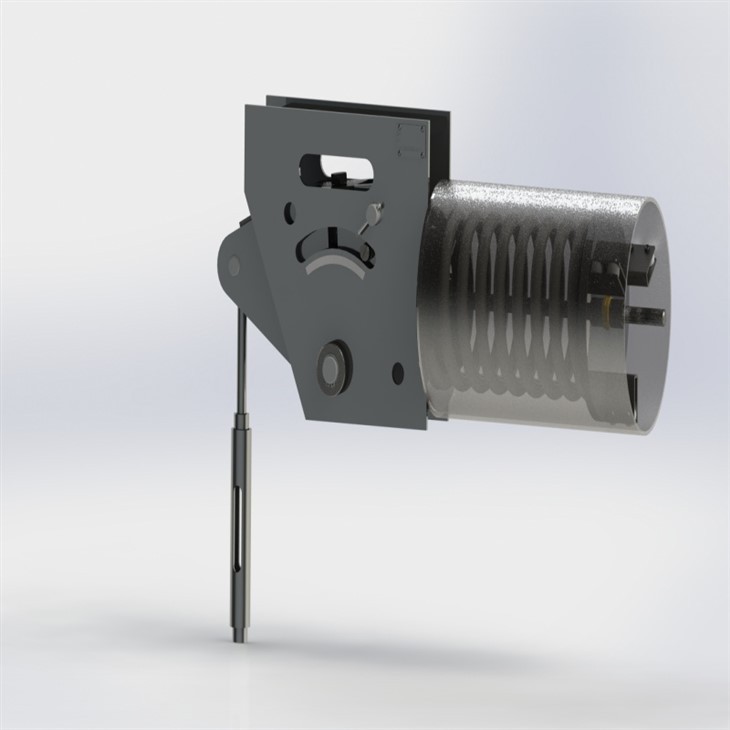

- Road Transportation: Road transportation is the most common mode of transportation for Constant Spring Supports. It offers flexibility and convenience, but it also exposes the supports to vibration, shock, and temperature variations. To minimize the risk of damage, the supports should be transported on well-maintained roads and should be secured properly in the vehicle.
- Rail Transportation: Rail transportation is a more stable and reliable mode of transportation than road transportation. It offers lower levels of vibration and shock, which can help to protect the supports during transit. However, rail transportation may require additional handling and loading procedures, which can increase the risk of damage.
- Air Transportation: Air transportation is the fastest mode of transportation, but it is also the most expensive. It offers the lowest levels of vibration and shock, which can help to protect the supports during transit. However, air transportation may require special packaging and handling procedures, which can increase the cost of transportation.
- Sea Transportation: Sea transportation is the most cost-effective mode of transportation for long-distance shipments. It offers relatively stable conditions, but it also exposes the supports to saltwater corrosion and humidity. To minimize the risk of damage, the supports should be packaged in a way that protects them from moisture and saltwater.
Monitoring and Inspection
In addition to packaging, handling, loading, and transportation mode, it's also important to monitor and inspect the Constant Spring Supports during transit. This will help to detect any potential damage or issues early on and take appropriate measures to prevent further damage. Here are some key considerations for monitoring and inspecting Constant Spring Supports during transit:
- Real-Time Monitoring: Real-time monitoring systems can be used to track the location, temperature, humidity, and vibration levels of the Constant Spring Supports during transit. This will help to detect any potential issues early on and take appropriate measures to prevent further damage.
- Visual Inspection: Visual inspections should be conducted at regular intervals during transit to check for any signs of damage or wear. The supports should be inspected for cracks, dents, rust, and other signs of damage. Any damaged supports should be removed from the shipment and replaced with new ones.
- Documentation: All monitoring and inspection results should be documented and stored for future reference. This will help to ensure that the supports are transported and handled correctly and that any issues are addressed promptly.
Conclusion
Ensuring the integrity of Constant Spring Supports during transportation is a critical task that requires careful planning, attention to detail, and the use of appropriate packaging, handling, loading, and transportation methods. By following the strategies and best practices outlined in this blog, you can minimize the risk of damage to the supports during transit and ensure that they arrive at their destination in good condition.
If you are in the market for high-quality Constant Spring Supports, we invite you to [contact us for procurement and negotiation](Function and Use: /spring-support-and-hanger/constant-spring-support-and-hanger/function-and-use.html). Our products, such as the Single-ear High-precision Spring Hanger and Constant Spring Bracket, are designed to meet the highest standards of quality and performance. We look forward to serving you and helping you find the perfect solution for your needs.
References
- "Guidelines for Packaging and Shipping Industrial Components," International Association of Packaging and Logistics Professionals.
- "Best Practices for Transporting Sensitive Equipment," Journal of Transportation Engineering.
- "Quality Control in the Transportation of Industrial Products," Manufacturing Quality Assurance Magazine.