How do U - Type Bolts perform in corrosive environments?
As a U - Type Bolt supplier, I've witnessed firsthand the critical role these bolts play in various industries. U - Type Bolts are wide - used for securing pipes, tubes, and other cylindrical objects in place. However, when they are exposed to corrosive environments, their performance and longevity can be significantly affected.
Understanding Corrosive Environments
Corrosive environments come in many forms. One of the most common is the presence of moisture, especially in combination with salts or acids. For instance, in coastal areas, the salt - laden air and the high humidity levels create a highly corrosive atmosphere. Industrial settings can also be extremely corrosive, as manufacturing processes often release chemicals that can attack metal surfaces. Water treatment plants, where chemicals like chlorine are used, and oil refineries, which deal with sulfur - containing compounds, are prime examples.
In addition to chemical corrosion, there is also electrochemical corrosion. When two different metals are in contact in the presence of an electrolyte (such as water), an electrochemical cell is formed. This can lead to accelerated corrosion of the metal with a lower electrode potential.
The Impact of Corrosion on U - Type Bolts
Corrosion can have several detrimental effects on U - Type Bolts. Firstly, it weakens the structural integrity of the bolts. As the metal is gradually eaten away, the cross - sectional area of the bolt decreases. This reduction in area means that the bolt can no longer withstand the same amount of stress as it could when it was new. In applications where heavy loads are involved, such as in supporting large pipes, a corroded bolt may fail unexpectedly, leading to serious safety hazards.

Corrosion can also cause the bolts to become stuck. Over time, the corroded material can build up between the threads of the bolt and the nut, making it difficult or impossible to loosen or tighten the connection. This can be a major problem during maintenance or repair operations, as it may require the use of special tools or the cutting of the bolt to remove it.
Performance of U - Type Bolts in Corrosive Environments
The performance of U - Type Bolts in corrosive environments depends on several factors, including the material of the bolt, the type and severity of the corrosion, and any protective coatings applied.
Material Selection
Different metals have different levels of resistance to corrosion. Stainless steel is a popular choice for U - Type Bolts in corrosive environments. Austenitic stainless steels, such as 304 and 316, contain chromium, which forms a passive oxide layer on the surface of the metal. This layer acts as a barrier, preventing further corrosion. 316 stainless steel, in particular, contains molybdenum, which enhances its resistance to pitting and crevice corrosion, making it suitable for applications in marine and chemical - rich environments.
Galvanized steel is another common option. Galvanization involves coating the steel with a layer of zinc. Zinc is more electro - negative than steel, so in the presence of an electrolyte, the zinc will corrode preferentially, sacrificing itself to protect the underlying steel. While galvanized bolts offer good corrosion protection, the zinc coating can wear away over time, especially in harsh environments.
Protective Coatings
In addition to material selection, protective coatings can be applied to U - Type Bolts to enhance their corrosion resistance. Epoxy coatings are widely used as they provide a durable and chemical - resistant barrier. They can be applied in different thicknesses depending on the severity of the corrosive environment. Another option is a powder - coating. Powder - coating is a dry finishing process that produces a hard, smooth, and uniform finish. It not only protects the bolts from corrosion but also improves their aesthetics.
Design Considerations
The design of the U - Type Bolt can also affect its performance in corrosive environments. For example, a bolt with a smooth surface is less likely to trap moisture and debris compared to a bolt with a rough surface. Additionally, proper drainage and ventilation in the installation area can help reduce the accumulation of moisture, thereby minimizing the risk of corrosion.
Real - World Applications
In the oil and gas industry, U - Type Bolts are used to secure pipelines and equipment. The pipelines often carry corrosive substances, and the bolts are exposed to harsh environmental conditions, including high humidity, saltwater, and chemicals. In such applications, high - quality stainless steel or heavily coated carbon steel U - Type Bolts are essential to ensure the long - term reliability of the installations.
In water treatment facilities, U - Type Bolts are used to support pipes that carry treated and untreated water. The water may contain various chemicals, such as chlorine, which can corrode the bolts. To prevent corrosion, bolts with appropriate coatings or made from corrosion - resistant materials are selected.
Comparison with Other Pipe - Hanging Accessories
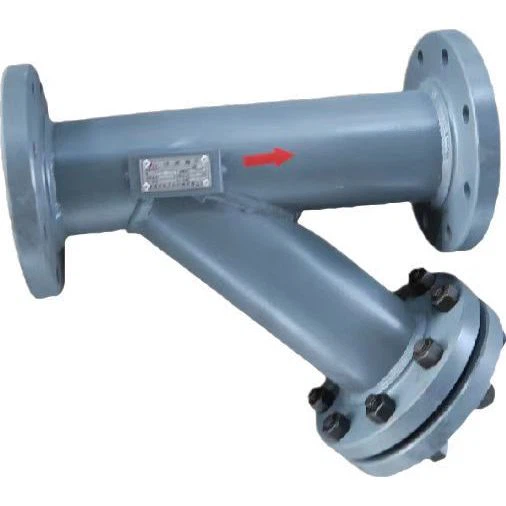
When considering the overall pipe - hanging system, it's important to compare U - Type Bolts with other accessories such as Pipeline Filter, Pipe Lugs, and Pipe Clamps. While these accessories serve different functions, they all need to withstand the corrosive environment in which they are installed.
Pipeline filters are used to remove contaminants from the fluid flowing through the pipes. They are often made of materials that are resistant to corrosion, as they are in direct contact with the fluid. Pipe lugs are used for lifting and positioning pipes, and they need to be strong and corrosion - resistant to ensure safe operations. Pipe clamps are used to secure pipes to supports, and like U - Type Bolts, they must maintain their integrity in the face of corrosion.
Ensuring Long - Term Performance
To ensure the long - term performance of U - Type Bolts in corrosive environments, regular inspections are crucial. Inspections can help detect early signs of corrosion, such as rust spots or changes in the appearance of the coating. If corrosion is detected, appropriate measures can be taken, such as applying a new coating or replacing the bolts.
Proper installation is also important. Bolts should be tightened to the correct torque to prevent loose connections, which can lead to increased vibration and wear, making the bolts more susceptible to corrosion.
Conclusion
In conclusion, U - Type Bolts can perform well in corrosive environments if the right material is selected, appropriate protective coatings are applied, and proper design and installation practices are followed. As a U - Type Bolt supplier, we are committed to providing high - quality products that meet the requirements of various industries. Our extensive range of U - Type Bolts, made from different materials and with different coatings, can be tailored to suit your specific needs.
If you are in the process of selecting U - Type Bolts for your project or need advice on how to ensure their performance in a corrosive environment, we invite you to contact us for a detailed discussion. Our team of experts is ready to assist you in making the best choice for your application.
References
- Fontana, M. G. (1986). Corrosion Engineering. McGraw - Hill.
- Uhlig, H. H., & Revie, R. W. (1985). Corrosion and Corrosion Control. Wiley - Interscience.
- ASM Handbook Committee. (1996). ASM Handbook, Volume 13A: Corrosion: Fundamentals, Testing, and Protection. ASM International.