Hey there! You're here, so I'm guessing you're curious about balancing dampers. Well, you're in the right place 'cause I'm gonna break it all down for you. And as a damper supplier, I've got all the insider info to share.
Let's start with the basics. What on earth is a balancing damper? In simple terms, a balancing damper is a key component in HVAC (Heating, Ventilation, and Air Conditioning) systems. It's like the traffic cop of the air ducts, managing and regulating the flow of air. You know how traffic lights control the movement of cars? That's exactly what a balancing damper does for air.
Imagine you've got a big building with lots of rooms. Each room has different air requirements - some need more fresh air, others less. Without a balancing damper, the air would just rush through the ducts randomly, and you'd end up with some rooms being too stuffy and others too drafty. But with a balancing damper in place, you can adjust the airflow to each area, making sure that every room gets just the right amount of air.
There are different types of balancing dampers out there. One common type is the blade damper. It consists of one or more blades that can be opened or closed to control the airflow. These blades can be adjusted manually or automatically, depending on the system's needs. Manual blade dampers are usually used in smaller systems where the airflow requirements don't change much. You just set the blades to the desired position, and they stay that way. On the other hand, automatic blade dampers are great for larger, more complex systems. They can be connected to sensors and controllers that adjust the blades based on factors like temperature, pressure, and air quality.
Another type is the volume control damper (VCD). As the name suggests, it's mainly used to control the volume of air flowing through the duct. VCDs are often used in conjunction with other components in the HVAC system, like fans and filters. They can be adjusted to maintain a specific airflow rate, which is crucial for the proper functioning of the system.
Now, let's talk about why balancing dampers are so important. First of all, they improve the energy efficiency of the HVAC system. By regulating the airflow, you can prevent the system from working harder than it needs to. For example, if a room doesn't need as much air, the damper can reduce the airflow to that room, saving energy and lowering your utility bills.
Secondly, balancing dampers enhance indoor air quality. They ensure that fresh air is evenly distributed throughout the building, reducing the concentration of pollutants and allergens. This is especially important in places like hospitals, schools, and offices, where people spend a lot of time indoors.
Balancing dampers also play a role in maintaining a comfortable environment. They help to control the temperature and humidity levels in each room, making sure that everyone feels comfortable. Whether it's a hot summer day or a cold winter night, a properly functioning balancing damper can make a big difference.
As a damper supplier, I've seen firsthand the impact that a good balancing damper can have on an HVAC system. That's why we offer a wide range of high - quality balancing dampers to meet different needs. Our dampers are made from durable materials, ensuring long - lasting performance. We also provide installation and maintenance services to make sure that your dampers are working at their best.
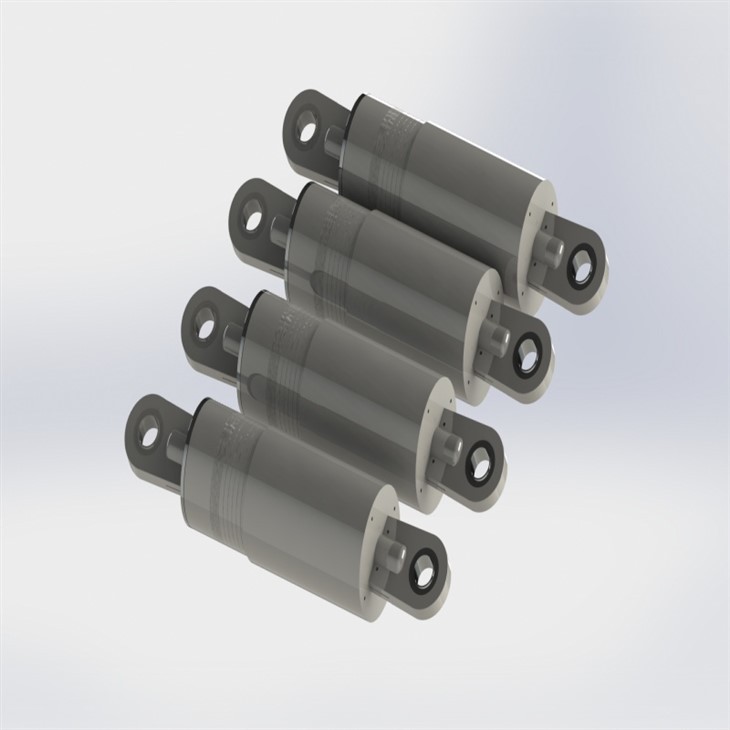
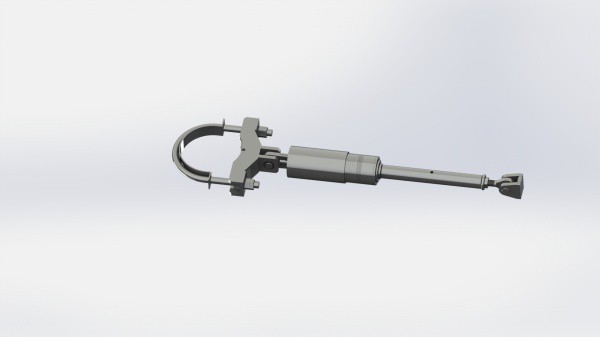
If you're in the market for dampers, you might also be interested in other types of dampers we offer. For example, we have Hydraulic Shock Absorber. These are used to reduce the shock and vibration in mechanical systems, protecting the equipment from damage. And then there's the Hydraulic Damper, which is great for controlling the movement and speed of various components.
So, how do you choose the right balancing damper for your system? Well, there are a few things to consider. First, you need to think about the size of your HVAC system. Larger systems usually require more powerful and adjustable dampers. You also need to consider the type of air distribution you need. If you have a complex layout with multiple rooms and zones, you might need a more sophisticated balancing damper system.
Another important factor is the level of control you want. As I mentioned earlier, you can choose between manual and automatic dampers. If you need precise control and want to integrate the damper with other building management systems, an automatic damper might be the way to go. But if you have a simple system and don't need constant adjustments, a manual damper could be sufficient.
When it comes to installation, it's always a good idea to hire a professional. Proper installation is crucial for the performance of the damper. A professional installer will make sure that the damper is correctly sized, positioned, and connected to the system. They can also perform any necessary balancing and adjustments to ensure optimal operation.
Maintenance is also key to keeping your balancing damper in good condition. Regular inspections can help you detect any issues early on, such as leaks, squeaks, or malfunctioning blades. You should also clean the damper periodically to remove any dust or debris that could affect its performance.
In conclusion, a balancing damper is an essential part of any HVAC system. It helps to regulate airflow, improve energy efficiency, enhance indoor air quality, and maintain a comfortable environment. As a damper supplier, we're committed to providing top - notch dampers and services to our customers. Whether you're building a new HVAC system or looking to upgrade your existing one, we've got you covered.
If you're interested in learning more about our balancing dampers or other damper products, don't hesitate to reach out. We're always here to answer your questions and help you find the right solution for your needs. Contact us for a free consultation and let's start improving your HVAC system together.
References
- HVAC Handbook: Systems and Equipment
- Duct Design Guide for Balancing Dampers