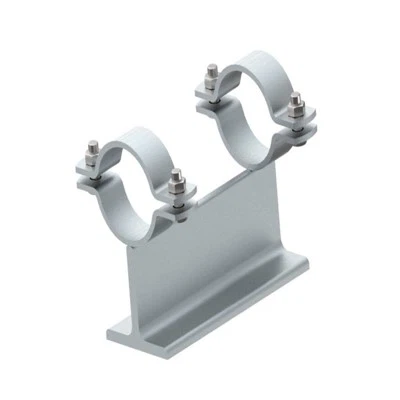
Hey there! As a supplier of Pipe Clamps, I've had my fair share of customers asking about the differences between plastic and metal pipe clamps in terms of performance. So, I thought I'd write this blog to break it down for you all.
First off, let's talk about what pipe clamps are. Pipe clamps are essential components used to secure pipes in place. They come in various shapes, sizes, and materials, with plastic and metal being two of the most common choices. You can check out our wide range of Pipe Clamps on our website.
Durability
One of the most significant differences between plastic and metal pipe clamps is their durability. Metal pipe clamps, typically made from materials like stainless steel, carbon steel, or aluminum, are known for their robustness. They can withstand high levels of stress, pressure, and temperature variations without deforming or breaking. For instance, in industrial settings where pipes carry hot liquids or gases under high pressure, metal clamps are the go-to option. They're also resistant to corrosion in many environments, especially stainless - steel clamps, which can last for decades with minimal maintenance.
On the other hand, plastic pipe clamps are generally less durable. While they're made from tough polymers like PVC, nylon, or polypropylene, they can't handle extreme conditions as well as metal clamps. High temperatures can cause plastic to warp or melt, and exposure to certain chemicals can lead to degradation. However, in low - stress applications such as home plumbing for cold water pipes or in DIY projects, plastic clamps can be a cost - effective and practical choice.
Strength
Strength is closely related to durability. Metal pipe clamps offer superior strength. They can hold heavy pipes firmly in place, even when there's a lot of vibration or movement. This makes them ideal for large - scale construction projects, oil and gas pipelines, and industrial machinery. Metal clamps can be tightened to a high degree without the risk of the clamp itself breaking, ensuring a secure grip on the pipes.
Plastic pipe clamps, while strong enough for light - duty applications, have a lower strength limit. They're more suitable for small - diameter pipes and situations where the pipes aren't subject to significant forces. For example, if you're installing a small - bore water pipe in your bathroom, a plastic clamp will do the job just fine. But if you're dealing with a large - diameter industrial pipe, you'll need the strength of a metal clamp.
Cost
Cost is often a deciding factor when choosing between plastic and metal pipe clamps. Plastic clamps are generally much cheaper than metal ones. The raw materials for plastic are less expensive, and the manufacturing process is often simpler, which translates to a lower price for the end - user. This makes them a popular choice for budget - conscious projects, especially those with a large number of clamps required.
Metal pipe clamps, due to the cost of the raw materials and the more complex manufacturing processes (such as forging or machining), are more expensive. However, when you consider their long - term durability and performance, they can be a better investment in the long run, especially for critical applications where failure of a clamp could lead to significant damage or downtime.
Installation
Installation is another area where plastic and metal pipe clamps differ. Plastic pipe clamps are usually easier to install. They're lightweight, so they're easy to handle, and many plastic clamps come with simple snap - on or screw - on designs. You don't need any special tools in most cases; a basic screwdriver or your hands might be all you need. This makes them a great option for DIYers or quick installations.
Metal pipe clamps, on the other hand, may require more effort and tools for installation. Depending on the type of metal clamp, you might need a wrench or a torque wrench to tighten the bolts properly. Some metal clamps also need to be welded in place in certain industrial applications, which requires specialized skills and equipment.
Chemical Resistance
Chemical resistance is an important factor, especially in industries where pipes carry various chemicals. Metal pipe clamps have different levels of chemical resistance depending on the type of metal. Stainless steel, for example, is highly resistant to many acids, alkalis, and corrosive substances. However, some metals like carbon steel can corrode quickly when exposed to certain chemicals.
Plastic pipe clamps can offer excellent chemical resistance in some cases. For example, PVC clamps are resistant to many common household and industrial chemicals. But they may not be suitable for all chemicals, and some solvents can dissolve or damage the plastic. So, it's crucial to choose the right type of plastic based on the chemicals the pipes will be carrying.
Aesthetic Appeal
In some applications, aesthetic appeal matters. Plastic pipe clamps come in a variety of colors, which can be an advantage if you want the clamps to blend in with the surrounding environment or if you're looking for a more decorative touch. For example, in a modern - style home renovation, you might choose white plastic clamps to match the color scheme.
Metal pipe clamps, especially those made from polished stainless steel, can have a sleek and professional look. They're often used in commercial or industrial settings where a more industrial aesthetic is desired.
Compatibility with Other Components
When it comes to compatibility with other components in a piping system, both plastic and metal pipe clamps have their pros and cons. Metal clamps can be easily integrated with other metal components like Pipe Lugs and Adjustable Pipe Hanger Rods because they can be welded or bolted together. This makes them a great choice for complex industrial piping systems.
Plastic clamps, while they can be used with some plastic - based components, may not be as compatible with metal parts. There could be issues with different expansion rates between plastic and metal, which might lead to loosening of the clamp over time.
In conclusion, the choice between plastic and metal pipe clamps depends on your specific needs. If you're working on a low - stress, budget - friendly project, plastic clamps are a great option. But for high - stress, long - term, or critical applications, metal pipe clamps are the way to go.
If you're in the market for pipe clamps, whether it's plastic or metal, we're here to help. We have a wide range of products to suit all your needs. Feel free to get in touch with us to discuss your requirements and start a procurement negotiation. We're confident that we can provide you with the best pipe clamps for your project.
References

- "Handbook of Pipe Hangers and Supports" - This book provides in - depth information on different types of pipe clamps and their performance characteristics.
- Industry reports on the manufacturing and use of plastic and metal components in piping systems.