Commissioning a newly installed deaerator is a critical process that ensures the efficient and safe operation of this essential equipment in various industrial applications. As a reputable deaerator supplier, I understand the importance of a well - executed commissioning process. In this blog, I will guide you through the steps of commissioning a newly installed deaerator, sharing insights and best practices based on my experience in the industry.
Pre - Commissioning Checks
Before starting the actual commissioning process, a series of pre - commissioning checks must be carried out. These checks are designed to identify and rectify any potential issues before the deaerator is put into operation.
Physical Inspection
First, conduct a thorough physical inspection of the deaerator. Check for any visible damage during transportation or installation, such as dents, scratches, or misaligned components. Ensure that all mounting bolts are tightened to the specified torque values to prevent vibration and potential leaks during operation. Examine the piping connections, including flanges, gaskets, and valves, to make sure they are properly installed and sealed. Any loose or damaged connections can lead to fluid leakage, which not only affects the performance of the deaerator but also poses safety risks.
Instrumentation Calibration
Accurate instrumentation is crucial for the proper operation of the deaerator. Calibrate all the instruments associated with the deaerator, such as pressure gauges, temperature sensors, and level indicators. Incorrect instrument readings can lead to improper control of the deaerator, resulting in inefficient operation or even equipment damage. Use calibrated reference standards to ensure the accuracy of the instruments. Check the wiring of the instruments to make sure there are no loose connections or short circuits.
System Cleaning
Clean the deaerator and its associated piping system thoroughly. Remove any debris, dirt, or welding slag that may have accumulated during the installation process. This is especially important for the internal components of the deaerator, such as the trays or packing materials. Any foreign particles can block the flow paths, reduce the efficiency of the deaeration process, and cause premature wear of the components. Flush the system with clean water several times to ensure that all contaminants are removed.
Filling and Initial Startup
Once the pre - commissioning checks are completed, it's time to fill the deaerator with water and start the initial startup process.
Filling the Deaerator
Slowly fill the deaerator with water through the designated filling line. Monitor the water level using the calibrated level indicator. As the water level rises, check for any leaks in the system. If any leaks are detected, stop the filling process immediately and repair the leaks before proceeding. Fill the deaerator to the normal operating level, which is usually specified by the manufacturer.
Initial Startup
After filling the deaerator, start the auxiliary systems, such as the feedwater pump and the steam supply system. Gradually introduce steam into the deaerator to heat the water. Monitor the temperature and pressure of the deaerator during the startup process. The steam should be introduced slowly to avoid thermal shock to the components. As the temperature and pressure increase, check the operation of the safety valves to ensure they are functioning properly. The safety valves are designed to protect the deaerator from over - pressure situations.
Performance Testing
Once the deaerator is up and running, conduct performance testing to verify its performance against the design specifications.
Deaeration Efficiency Testing
Measure the dissolved oxygen content in the outlet water of the deaerator. The deaeration efficiency is usually expressed as the percentage reduction of dissolved oxygen in the feedwater. Compare the measured values with the design requirements. If the deaeration efficiency is lower than expected, check the operating conditions of the deaerator, such as the steam flow rate, water flow rate, and temperature. Adjust these parameters as necessary to improve the deaeration efficiency.
Pressure and Temperature Stability Testing
Monitor the pressure and temperature of the deaerator over a period of time to ensure their stability. Fluctuations in pressure or temperature can indicate problems with the control system or the steam supply. Check the operation of the pressure and temperature control valves to make sure they are responding correctly to the changes in the process conditions.
Flow Rate Testing
Measure the water and steam flow rates through the deaerator. Ensure that the flow rates are within the design range. Incorrect flow rates can affect the deaeration efficiency and the overall performance of the deaerator. Check the operation of the flow control valves and pumps to ensure they are providing the required flow rates.
Troubleshooting and Optimization
During the commissioning process, you may encounter some problems. Here are some common issues and their solutions.


Low Deaeration Efficiency
If the deaeration efficiency is low, check the steam distribution in the deaerator. Uneven steam distribution can lead to poor contact between the steam and the water, resulting in inefficient deaeration. Adjust the steam nozzles or the steam control valves to ensure uniform steam distribution. Also, check the water level in the deaerator. A too - high or too - low water level can affect the deaeration process. Adjust the water level to the optimal value.
Pressure Fluctuations
Pressure fluctuations can be caused by a variety of factors, such as a malfunctioning pressure control valve or an unstable steam supply. Check the pressure control valve to make sure it is opening and closing properly. If the steam supply is unstable, check the steam source and the steam piping system. Make sure there are no blockages or restrictions in the steam piping.
Leakage
If there are leaks in the deaerator or its associated piping system, locate the source of the leak and repair it immediately. Leaks can be caused by loose connections, damaged gaskets, or cracked components. Replace the damaged parts and tighten the connections as necessary.
Post - Commissioning Follow - up
After the commissioning process is completed successfully, it's important to conduct post - commissioning follow - up.
Operator Training
Provide comprehensive training to the operators of the deaerator. Train them on the proper operation, maintenance, and troubleshooting of the deaerator. Make sure they understand the importance of following the operating procedures and safety guidelines. A well - trained operator can ensure the long - term reliable operation of the deaerator.
Maintenance Schedule
Establish a regular maintenance schedule for the deaerator. Regular maintenance, such as inspection, cleaning, and component replacement, can extend the service life of the deaerator and prevent potential problems. Follow the manufacturer's recommendations for the maintenance intervals and procedures.
Performance Monitoring
Continuously monitor the performance of the deaerator after commissioning. Keep records of the operating parameters, such as pressure, temperature, flow rate, and dissolved oxygen content. Analyze the data regularly to detect any trends or anomalies. Early detection of problems can help prevent major breakdowns and reduce maintenance costs.
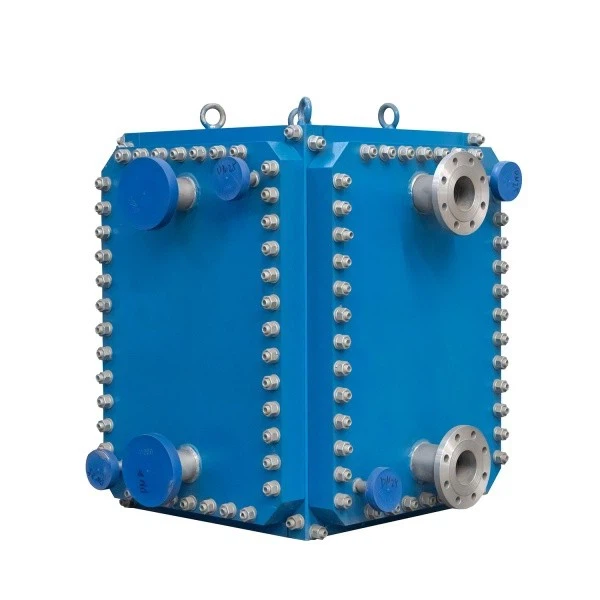
As a deaerator supplier, we not only provide high - quality deaerators but also offer comprehensive commissioning services. Our experienced technicians can assist you throughout the commissioning process to ensure the smooth operation of your deaerator. If you are interested in our deaerators or need more information about the commissioning process, please feel free to contact us for procurement and further discussion. We also offer other related products, such as Asme Customerized Welded Plate Heat Exchanger, Plate Type Flue Gas To Gas Heat Exchanger, and Block Heat Exchanger in Oil And Gas Industry.
References
- ASME Boiler and Pressure Vessel Code.
- Manufacturer's Operation and Maintenance Manual for Deaerators.
- Industry Standards for Deaerator Design and Operation.