Designing a support system with constant spring supports and other supports is a crucial task in various industrial applications. As a constant spring support supplier, I've had the opportunity to work on numerous projects, and I'd like to share some insights on how to design an effective support system.
Understanding the Basics of Constant Spring Supports
First off, let's talk about what constant spring supports are. These supports are designed to provide a nearly constant supporting force over a specified range of motion. They're super handy in situations where pipes or equipment experience thermal expansion or contraction. For example, in power plants, refineries, and chemical plants, pipes can expand or contract due to temperature changes. Constant spring supports help maintain the proper alignment and prevent excessive stress on the pipes.
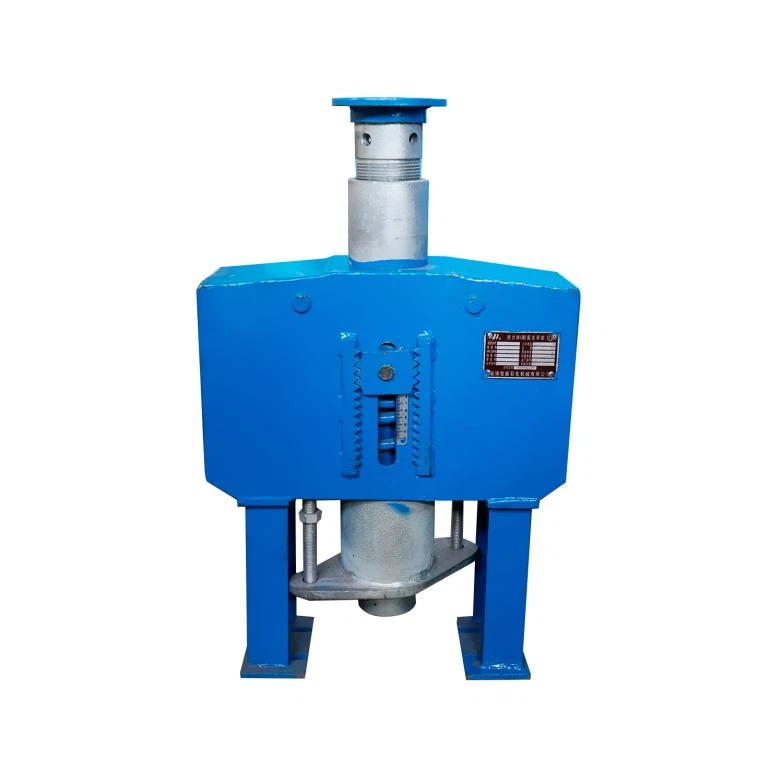
One of our popular products is the Constant Force Disc Spring Support Hanger. It uses a set of disc springs to provide a constant force. The disc springs are stacked in a specific configuration to achieve the desired load and deflection characteristics. This type of support hanger is known for its compact design and high load - carrying capacity.
Assessing the System Requirements
Before you start designing the support system, you need to assess the requirements of the system. This includes understanding the load characteristics, the range of motion, and the environmental conditions.
Load Characteristics
Determine the static and dynamic loads that the supports will need to carry. Static loads include the weight of the pipes, fluid, and any attached equipment. Dynamic loads can be caused by factors such as fluid flow, vibration, and seismic activity. You need to calculate the maximum and minimum loads accurately to select the appropriate constant spring supports.
Range of Motion
The range of motion is another critical factor. You need to know how much the pipes or equipment will move due to thermal expansion or other factors. This will help you choose the right type of constant spring support with the appropriate travel range. For instance, if the movement is relatively small, a Leg - Mounted Constant Force Spring Hanger might be a good choice. It's designed to be mounted on legs and can handle a limited range of motion effectively.
Environmental Conditions
Consider the environmental conditions such as temperature, humidity, and the presence of corrosive substances. In high - temperature environments, you need to select constant spring supports that can withstand the heat without losing their mechanical properties. In corrosive environments, corrosion - resistant materials should be used.
Selecting the Right Supports
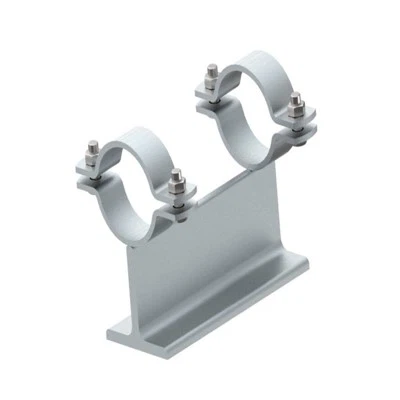
Once you've assessed the system requirements, it's time to select the right supports. In addition to constant spring supports, you may also need other types of supports such as rigid supports, variable spring supports, and sway braces.
Rigid Supports
Rigid supports are used to hold the pipes or equipment in a fixed position. They're typically used at points where there is no expected movement. For example, at the anchor points of a pipeline system, rigid supports are used to prevent any lateral or vertical movement.
Variable Spring Supports
Variable spring supports are used when the load and the movement are relatively small. They provide a variable supporting force that changes with the deflection. These supports are less expensive than constant spring supports and can be a cost - effective solution for some applications.
Sway Braces
Sway braces are used to prevent lateral movement of the pipes or equipment. They're especially important in seismic - prone areas or in systems where there is a risk of vibration - induced movement.
Layout and Installation
The layout and installation of the supports are also crucial for the effectiveness of the support system.
Layout
When laying out the supports, you need to ensure that the load is evenly distributed among the supports. This helps prevent overloading of individual supports and ensures the stability of the system. You should also consider the accessibility of the supports for maintenance and inspection.
Installation
Proper installation is essential for the performance of the supports. Make sure that the supports are installed according to the manufacturer's instructions. The alignment of the supports is critical, especially for constant spring supports. Incorrect alignment can lead to uneven loading and premature failure of the supports.
Function and Use of Constant Spring Supports
To better understand how constant spring supports work in the support system, let's take a look at their Function and Use.
Constant spring supports are designed to maintain a constant force on the supported structure regardless of the deflection within a specified range. This is achieved through the use of a mechanical or hydraulic mechanism. For example, in a mechanical constant spring support, a cam and spring arrangement is used to convert the linear deflection into a constant force.
In a piping system, constant spring supports are used to support the weight of the pipes and the fluid while allowing for thermal expansion and contraction. They help prevent stress concentrations in the pipes, which can lead to leaks or failures.
Quality Control and Maintenance
Quality control and maintenance are important aspects of ensuring the long - term performance of the support system.
Quality Control
During the manufacturing process, strict quality control measures should be in place to ensure that the constant spring supports meet the required standards. This includes testing the load - carrying capacity, the deflection characteristics, and the corrosion resistance of the supports.
Maintenance
Regular maintenance is necessary to keep the support system in good working condition. This includes inspecting the supports for signs of wear, damage, or corrosion. Any damaged or worn - out supports should be replaced immediately to prevent system failure.
Conclusion
Designing a support system with constant spring supports and other supports requires a thorough understanding of the system requirements, the proper selection of supports, and careful layout and installation. By following these guidelines, you can design a support system that is reliable, efficient, and cost - effective.

If you're in the process of designing a support system or need to replace existing supports, I'd love to help. As a constant spring support supplier, I have the expertise and the products to meet your needs. Feel free to reach out to discuss your project requirements and explore the best solutions for your support system.
References
- "Piping Support Engineering Handbook" by A. W. Holle
- "Mechanical Design of Machine Elements and Machines: A Failure - Prevention Perspective" by J. E. Shigley, C. R. Mischke, and R. G. Budynas