Corrosion is a significant concern when it comes to constant spring supports, as it can compromise their structural integrity and functionality. As a trusted supplier of constant spring supports, we understand the importance of preventing corrosion to ensure the long - term performance of these essential components. In this blog, we will explore various strategies and best practices for preventing corrosion in constant spring supports.
Understanding Corrosion in Constant Spring Supports
Before delving into prevention methods, it's crucial to understand the types of corrosion that can affect constant spring supports. The most common forms of corrosion include:
- Uniform Corrosion: This is the most straightforward type of corrosion, where the entire surface of the spring support gradually deteriorates at a relatively constant rate. It is often caused by exposure to corrosive substances in the environment, such as moisture, chemicals, or salt.
- Pitting Corrosion: Pitting corrosion occurs when small holes or pits form on the surface of the spring support. These pits can penetrate deep into the material, leading to localized weakening and potential failure. Pitting is typically triggered by the presence of chloride ions, which can be found in seawater or industrial chemicals.
- Galvanic Corrosion: Galvanic corrosion happens when two different metals are in contact with each other in the presence of an electrolyte. The more active metal (anode) corrodes at an accelerated rate, while the less active metal (cathode) remains relatively unaffected. In constant spring supports, this can occur if different metals are used in the construction or if there is improper grounding.
Selecting the Right Materials
One of the most effective ways to prevent corrosion in constant spring supports is to choose the appropriate materials. Here are some considerations:
- Stainless Steel: Stainless steel is a popular choice for constant spring supports due to its excellent corrosion resistance. It contains chromium, which forms a passive oxide layer on the surface, protecting the metal from further corrosion. Different grades of stainless steel are available, with higher grades offering better resistance to specific corrosive environments. For example, 316 stainless steel is highly resistant to chloride - induced pitting corrosion, making it suitable for applications in marine or coastal areas.
- Coated Metals: Another option is to use coated metals, such as galvanized steel. Galvanizing involves applying a layer of zinc to the surface of the steel, which acts as a sacrificial anode. The zinc corrodes first, protecting the underlying steel from corrosion. Coated metals can be a cost - effective solution for applications where the risk of corrosion is moderate.
- Non - Metallic Materials: In some cases, non - metallic materials like fiberglass or plastic can be used for constant spring supports. These materials are inherently corrosion - resistant and can be a good choice for applications in highly corrosive environments. However, they may have limitations in terms of strength and load - bearing capacity compared to metallic materials.
Surface Treatments
Surface treatments can significantly enhance the corrosion resistance of constant spring supports. Here are some common surface treatment methods:
- Painting: Applying a high - quality paint coating to the surface of the spring support can provide a physical barrier against corrosive substances. The paint should be selected based on the specific environment and the type of corrosion expected. For example, epoxy paints are often used in industrial settings, while polyurethane paints are suitable for outdoor applications.
- Powder Coating: Powder coating is a process where a dry powder is electrostatically applied to the surface of the spring support and then cured in an oven. This creates a durable and uniform coating that provides excellent corrosion protection. Powder coating is available in a wide range of colors and finishes, making it both functional and aesthetically pleasing.
- Passivation: Passivation is a chemical treatment that removes free iron from the surface of stainless steel, enhancing its corrosion resistance. This process involves immersing the spring support in a solution of nitric acid or citric acid, which dissolves the iron and forms a more stable oxide layer on the surface.
Environmental Control
Controlling the environment in which the constant spring supports are installed can also help prevent corrosion. Here are some environmental control measures:
- Moisture Control: Moisture is one of the primary causes of corrosion. To reduce the risk of corrosion, it's important to keep the environment around the spring supports dry. This can be achieved by installing proper ventilation systems, using dehumidifiers, or sealing any leaks that could allow water to enter the area.
- Chemical Exposure: Minimizing exposure to corrosive chemicals is essential. If the spring supports are installed in an industrial environment where they may come into contact with chemicals, appropriate protective measures should be taken. This may include using chemical - resistant coatings or enclosing the spring supports in a protective housing.
- Temperature Control: Extreme temperatures can also affect the corrosion rate of constant spring supports. In high - temperature environments, the rate of corrosion can increase due to accelerated chemical reactions. On the other hand, low temperatures can cause moisture to condense on the surface of the spring supports, leading to corrosion. Maintaining a stable temperature within an acceptable range can help prevent corrosion.
Regular Inspection and Maintenance
Regular inspection and maintenance are crucial for detecting and preventing corrosion in constant spring supports. Here are some inspection and maintenance practices:
- Visual Inspection: Conducting regular visual inspections of the spring supports can help identify signs of corrosion, such as rust, pitting, or discoloration. Any signs of corrosion should be addressed immediately to prevent further damage.
- Non - Destructive Testing: Non - destructive testing methods, such as ultrasonic testing or magnetic particle testing, can be used to detect internal corrosion or defects in the spring supports. These tests can provide valuable information about the condition of the spring supports without causing damage.
- Cleaning and Lubrication: Keeping the spring supports clean and lubricated can help prevent corrosion. Dirt, debris, and moisture can accumulate on the surface of the spring supports, increasing the risk of corrosion. Regular cleaning with a mild detergent and water can remove these contaminants. Lubrication can also help protect the moving parts of the spring supports from corrosion and reduce friction.
Our Product Offerings
As a leading supplier of constant spring supports, we offer a wide range of products designed to meet the diverse needs of our customers. Our product portfolio includes:
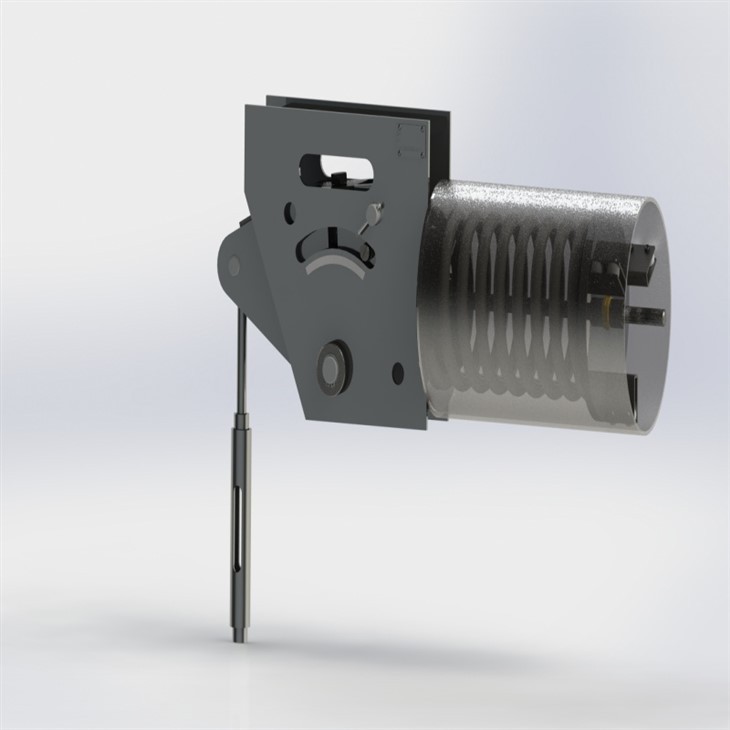
- Constant Force Disc Spring Support Hanger: These hangers are designed to provide constant support to pipes and equipment, even under varying loads. They are available in different sizes and load capacities and are made from high - quality materials to ensure long - term performance.
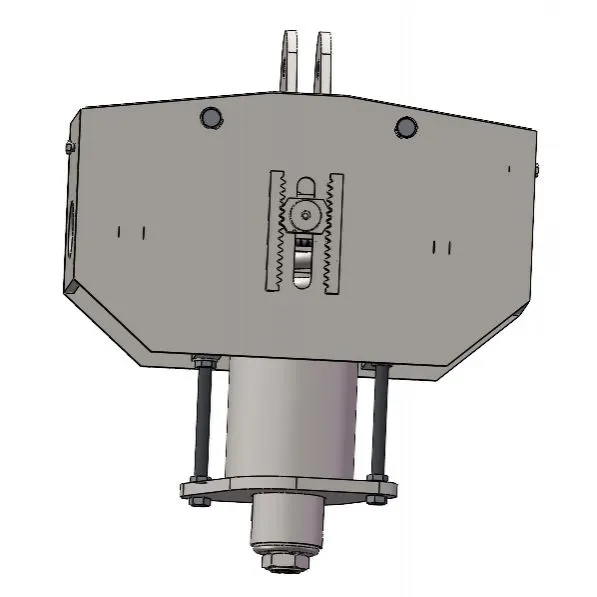
- Double Lug High Precision Spring Hanger: Our double lug high - precision spring hangers are engineered for applications where precise load control is required. They are manufactured with strict quality control measures to ensure accurate performance and corrosion resistance.
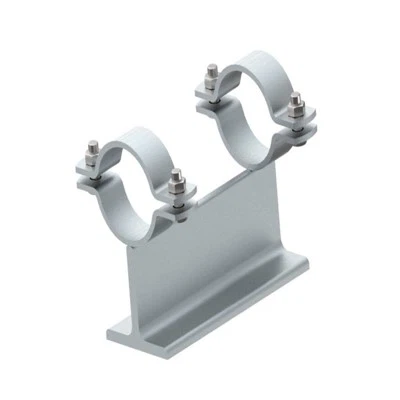
- Constant Spring Bracket: Constant spring brackets are used to support pipes and equipment in a variety of industrial applications. Our brackets are designed to be durable and corrosion - resistant, ensuring reliable performance in harsh environments.
Conclusion
Preventing corrosion in constant spring supports is essential for ensuring their long - term performance and reliability. By selecting the right materials, applying appropriate surface treatments, controlling the environment, and conducting regular inspection and maintenance, the risk of corrosion can be significantly reduced. As a trusted supplier of constant spring supports, we are committed to providing high - quality products and expert advice to help our customers prevent corrosion and ensure the optimal performance of their systems. If you are interested in learning more about our constant spring support products or need assistance with corrosion prevention, please feel free to contact us for a procurement discussion.
References
- Fontana, M. G. (1986). Corrosion Engineering. McGraw - Hill.
- Uhlig, H. H., & Revie, R. W. (1985). Corrosion and Corrosion Control. Wiley - Interscience.
- ASTM International. (2019). ASTM Standards on Corrosion. ASTM International.