As a trusted supplier of Rigid Pull Rods, ensuring the quality of our products is not just a goal; it's a commitment we make to our customers. Rigid pull rods play a crucial role in various industries, from construction to mechanical engineering, where they provide essential support and stability. In this blog post, I'll share some key methods and considerations for testing the quality of rigid pull rods.
Visual Inspection
The first step in testing the quality of rigid pull rods is a thorough visual inspection. This simple yet effective method can reveal a lot about the rod's condition and manufacturing quality.
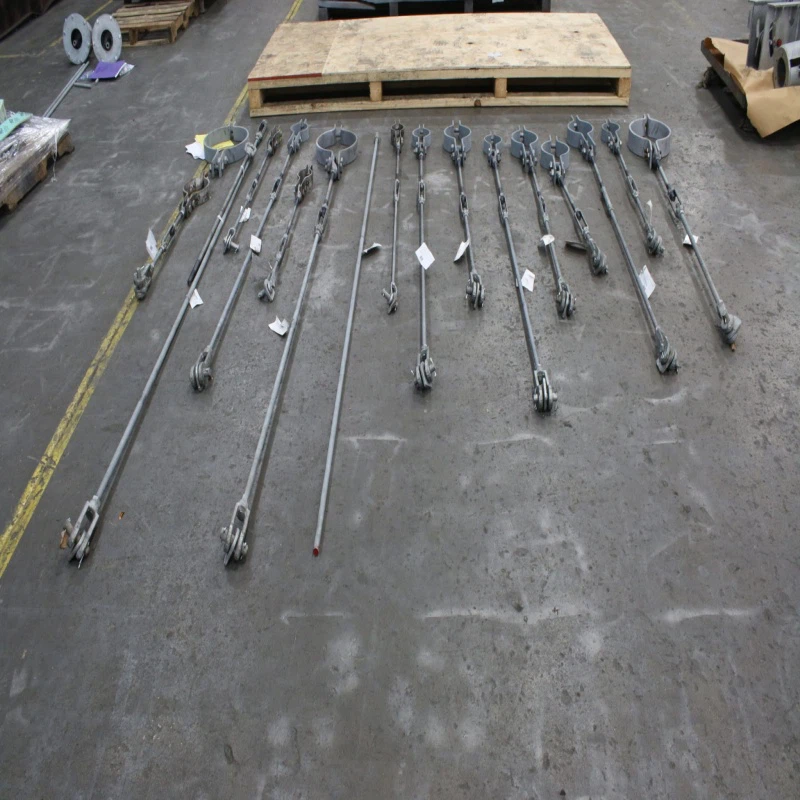
- Surface Defects: Look for any visible cracks, scratches, or dents on the surface of the pull rod. These defects can weaken the rod and compromise its structural integrity. Cracks, in particular, can propagate under stress, leading to sudden failure. Scratches and dents may also act as stress concentrators, increasing the risk of fatigue failure over time.
- Uniformity: Check the rod for uniformity in diameter, straightness, and finish. Any significant variations in these parameters can indicate manufacturing inconsistencies. For example, a rod with an uneven diameter may not fit properly in its intended application, leading to improper load distribution. A bent or non - straight rod can cause misalignment and additional stress on the connected components.
- Coating Quality: If the pull rod has a protective coating, examine its quality. The coating should be evenly applied, free of bubbles, and firmly adhered to the rod surface. A poor - quality coating can expose the rod to corrosion, which can significantly reduce its lifespan.
Dimensional Measurement
Accurate dimensional measurement is essential to ensure that the rigid pull rod meets the required specifications.
- Diameter and Wall Thickness: Use precision measuring tools such as calipers or micrometers to measure the diameter and wall thickness of the pull rod at multiple points along its length. Deviations from the specified dimensions can affect the rod's strength and load - bearing capacity. For example, a thinner wall thickness than specified may result in a rod that is unable to withstand the designed loads.
- Length: Measure the length of the pull rod to ensure it is within the acceptable tolerance range. Incorrect length can cause installation issues and affect the overall performance of the system in which the rod is used.
Material Testing
The quality of the material used in the rigid pull rod is a critical factor in determining its performance.
- Chemical Composition Analysis: Conduct a chemical composition analysis to verify that the material meets the required standards. This can be done using techniques such as spectroscopy. The correct chemical composition ensures that the rod has the appropriate mechanical properties, such as strength, hardness, and corrosion resistance. For example, a rod made of a low - quality steel with an improper carbon content may not have the required strength for its intended application.
- Hardness Testing: Use hardness testing methods, such as the Brinell, Rockwell, or Vickers hardness tests, to assess the hardness of the pull rod. The hardness of the material is related to its strength and wear resistance. A rod with the correct hardness will be more resistant to deformation and damage under load.
Load Testing
Load testing is one of the most important ways to evaluate the performance of rigid pull rods.
- Static Load Testing: Apply a static load to the pull rod to simulate the maximum load it is expected to bear in service. Measure the deformation of the rod under load and compare it with the design specifications. The rod should be able to withstand the static load without permanent deformation or failure. This test helps to ensure that the rod has sufficient strength and stiffness for its intended application.
- Dynamic Load Testing: In some applications, rigid pull rods may be subjected to dynamic loads, such as vibrations or cyclic loading. Dynamic load testing can simulate these conditions to evaluate the rod's fatigue resistance. During dynamic load testing, the rod is subjected to repeated loading and unloading cycles. The number of cycles the rod can withstand before failure is an important indicator of its fatigue life.
Corrosion Resistance Testing
Since rigid pull rods are often exposed to various environmental conditions, their corrosion resistance is crucial.
- Salt Spray Test: One of the most common methods for testing corrosion resistance is the salt spray test. In this test, the pull rod is exposed to a salt - water mist in a controlled environment for a specified period. After the test, the rod is examined for signs of corrosion, such as rust or pitting. The extent of corrosion can be used to evaluate the effectiveness of the rod's protective coating and its inherent corrosion resistance.
- Immersion Test: Another method is the immersion test, where the pull rod is immersed in a corrosive solution for a certain time. This test can provide more realistic results in terms of the rod's performance in actual corrosive environments.
Compatibility with Other Components
Rigid pull rods are usually part of a larger system, and their compatibility with other components is important.
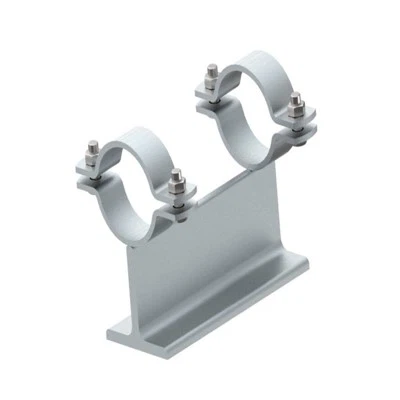
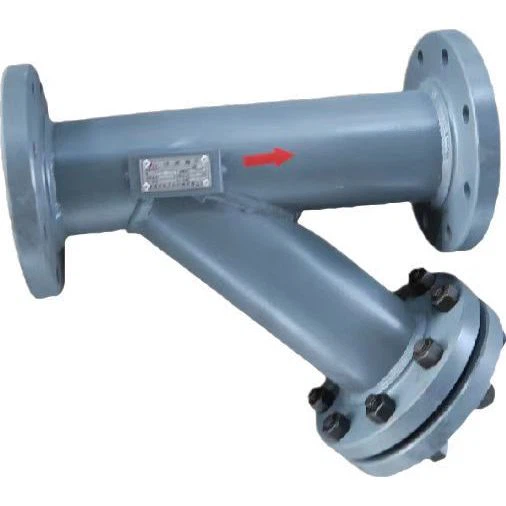
- Connection Testing: Test the connection between the pull rod and other components, such as Pipe Reinforcement Circle or Pipeline Filter. The connection should be secure and able to transmit the loads effectively. Check for any signs of looseness, misalignment, or excessive wear at the connection points.
- Load Distribution: Ensure that the pull rod distributes the load evenly among the connected components. Uneven load distribution can cause premature failure of the rod or other components in the system.
Documentation and Traceability
Proper documentation is an important part of quality control.
- Material Certificates: Request material certificates from the raw material suppliers. These certificates provide information about the chemical composition, mechanical properties, and heat treatment of the material used in the pull rod. They serve as evidence that the material meets the required standards.
- Manufacturing Records: Keep detailed manufacturing records, including production dates, processing parameters, and inspection results. These records can be used for traceability in case of quality issues and for continuous improvement of the manufacturing process.
As a Rigid Pull Rods supplier, we understand the importance of providing high - quality products. We have a strict quality control system in place that includes all the testing methods mentioned above. If you are in need of reliable rigid pull rods for your project, we invite you to contact us for a procurement discussion. We are confident that our products will meet your requirements and exceed your expectations.
References
- ASTM International standards for steel products.
- ASME Boiler and Pressure Vessel Code for related mechanical components.
- Engineering handbooks on materials science and structural engineering.