As a seasoned supplier of Constant Spring Supports, I've witnessed firsthand the pivotal role these components play in various industrial applications. One question that frequently arises in discussions with clients is, "What is the accuracy of the load - bearing capacity of constant spring supports?" This blog aims to delve deep into this topic, providing a comprehensive understanding of the factors influencing accuracy, how it is measured, and its significance in real - world scenarios.
Understanding Constant Spring Supports
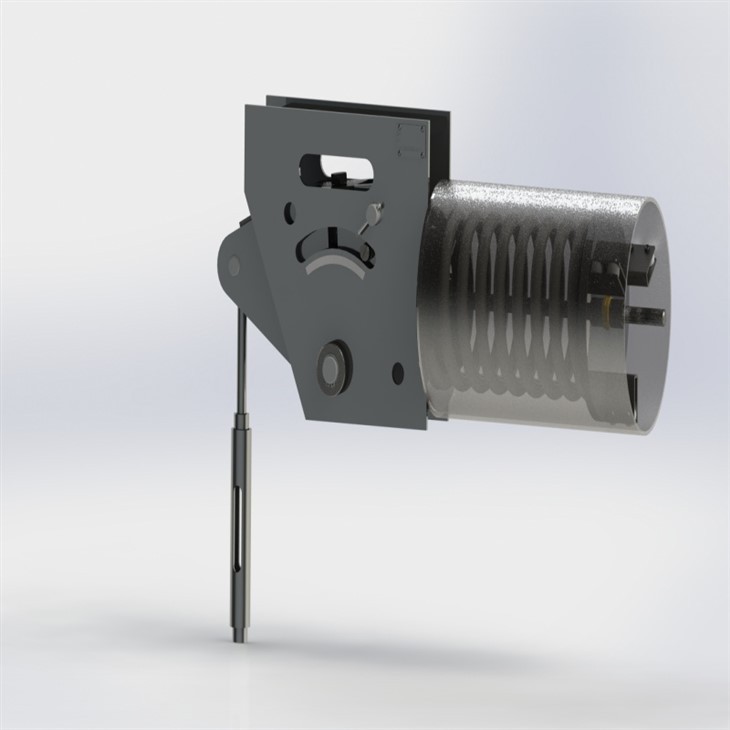
Constant spring supports are engineered to provide a nearly constant supporting force over a specified range of travel. They are widely used in industries such as power generation, petrochemical, and HVAC to support pipes, vessels, and other equipment. These supports counteract the effects of thermal expansion and contraction, ensuring that the equipment remains stable and functions properly.
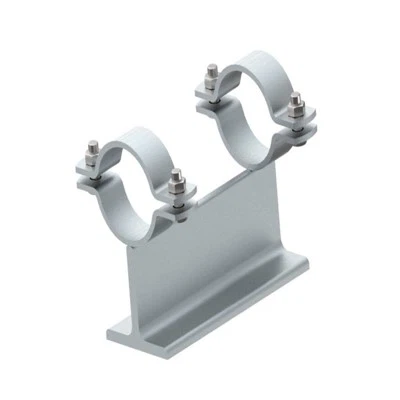
There are different types of constant spring supports available in the market, each designed to meet specific requirements. For instance, the Constant Spring Bracket is a popular choice for applications where space is limited, while the Double Row Four - post Box Spring offers high load - bearing capacity and stability.
Factors Affecting the Accuracy of Load - Bearing Capacity
Spring Design and Manufacturing
The design of the spring is the foundation of a constant spring support's load - bearing accuracy. Springs are carefully engineered to have a specific stiffness and deflection characteristics. During the manufacturing process, factors such as the material quality, wire diameter, coil pitch, and number of coils all influence the spring's performance. Any deviation in these parameters can lead to inaccuracies in the load - bearing capacity.
For example, if the wire diameter is slightly smaller than specified, the spring will be less stiff, resulting in a lower load - bearing capacity than expected. High - quality manufacturing processes, including precision machining and heat treatment, are essential to ensure that the springs meet the design specifications.
Installation Conditions
Proper installation is crucial for the accurate performance of constant spring supports. Incorrect installation, such as improper alignment or over - tightening of mounting bolts, can cause uneven loading on the spring, leading to inaccurate load - bearing. The support must be installed in a level and stable position, and the attachment points should be firmly secured to prevent any movement or displacement.
Moreover, the installation environment can also affect the accuracy. Extreme temperatures, humidity, and corrosive substances can degrade the spring material over time, altering its mechanical properties and reducing the load - bearing accuracy.
Load Characteristics
The nature of the load itself can impact the accuracy of the constant spring support. Dynamic loads, such as those caused by vibrations or sudden changes in flow, can cause the spring to experience additional stress and fatigue. This can lead to a decrease in the load - bearing capacity and affect the accuracy of the support.
In addition, if the load is not evenly distributed across the support, it can cause uneven deflection of the spring, resulting in inaccurate load - bearing. It is important to consider the load characteristics during the selection and design of the constant spring support.
Measuring the Accuracy of Load - Bearing Capacity
Testing Methods
To ensure the accuracy of the load - bearing capacity, constant spring supports undergo rigorous testing during the manufacturing process. One common testing method is the static load test, where a known load is applied to the support, and the deflection of the spring is measured. The measured deflection is then compared to the design specifications to determine the accuracy of the load - bearing capacity.
Another testing method is the dynamic load test, which simulates the real - world operating conditions. In this test, the support is subjected to cyclic loads to evaluate its performance under dynamic conditions. The load - bearing capacity and the stability of the support are monitored during the test to ensure that it meets the required standards.
Certification and Standards
Constant spring supports are often required to meet certain industry standards and certifications. These standards define the acceptable limits for the accuracy of the load - bearing capacity. For example, the American Society of Mechanical Engineers (ASME) has established standards for the design, manufacturing, and testing of spring supports. By adhering to these standards, manufacturers can ensure that their products offer accurate and reliable load - bearing performance.
Significance of Accurate Load - Bearing Capacity in Real - World Applications
Equipment Safety
Accurate load - bearing capacity is essential for the safety of industrial equipment. If a constant spring support fails to provide the required load - bearing, it can lead to equipment damage, leaks, or even catastrophic failures. For example, in a power plant, a malfunctioning constant spring support for a steam pipe can cause the pipe to sag or vibrate, leading to potential leaks and safety hazards.
Operational Efficiency
Properly functioning constant spring supports with accurate load - bearing capacity contribute to the operational efficiency of the equipment. By maintaining the correct support force, the equipment can operate smoothly without excessive stress or wear. This reduces the need for frequent maintenance and repairs, resulting in cost savings and increased productivity.
The Role of Constant Spring Supports in Different Industries
Power Generation
In power plants, constant spring supports are used to support steam pipes, feedwater pipes, and other critical components. The accurate load - bearing capacity of these supports is crucial for maintaining the integrity of the piping system and ensuring the efficient operation of the power plant. Any inaccuracies in the load - bearing can lead to pipe failures, which can disrupt power generation and cause significant economic losses.

Petrochemical Industry
In the petrochemical industry, constant spring supports are used in refineries, chemical plants, and offshore platforms. They support pipes carrying various chemicals and hydrocarbons, which often operate under high pressure and temperature conditions. The accurate load - bearing capacity of these supports is essential for preventing leaks and ensuring the safety of the plant and its workers.
The Function and Use of Constant Spring Supports
To fully understand the importance of load - bearing accuracy, it is necessary to explore the Function and Use of constant spring supports. These supports are designed to provide a constant force over a range of motion, compensating for thermal expansion and contraction of the equipment.
By maintaining a consistent support force, they prevent excessive stress on the equipment and its connections, reducing the risk of damage and failure. However, this function can only be effectively achieved if the load - bearing capacity is accurate.
Ensuring the Accuracy of Load - Bearing Capacity in Our Products
As a supplier of constant spring supports, we are committed to providing products with high - accuracy load - bearing capacity. We use advanced design software and manufacturing techniques to ensure that our springs are precisely engineered and manufactured to meet the highest standards.
Our quality control team conducts thorough inspections and tests at every stage of the production process, from raw material inspection to final product testing. We also offer technical support and installation guidance to our clients to ensure that the constant spring supports are installed and used correctly.
Conclusion
The accuracy of the load - bearing capacity of constant spring supports is a critical factor in their performance and reliability. It is influenced by various factors, including spring design, installation conditions, and load characteristics. By understanding these factors and implementing proper testing and quality control measures, we can ensure that our constant spring supports provide accurate and consistent load - bearing performance.
If you are in need of high - quality constant spring supports with accurate load - bearing capacity, we are here to help. Our team of experts can assist you in selecting the right support for your specific application and provide you with professional advice and services. Contact us today to start a discussion about your procurement needs, and let us work together to find the best solution for your project.
References
- American Society of Mechanical Engineers (ASME). Boiler and Pressure Vessel Code.
- Manufacturing Handbook of Spring Supports and Hangers.
- Research Papers on the Mechanical Properties of Spring Materials.