


Data access control is a critical aspect of modern data management systems, ensuring that only authorized users can access sensitive information. The Pipeline Filter pattern offers an effective and flexible approach to implementing data access control. As a Pipeline Filter supplier, I have witnessed firsthand the benefits of this pattern in various data - related scenarios. In this blog, I will explore how to use the Pipeline Filter pattern for data access control.
Understanding the Pipeline Filter Pattern
The Pipeline Filter pattern is a software architectural pattern that structures a process as a series of filters connected in a pipeline. Each filter performs a specific task on the input data and passes the processed data to the next filter in the pipeline. This modular approach makes the system easy to understand, maintain, and extend.
In the context of data access control, the pipeline can be thought of as a series of security checks. Each filter represents a different security rule or policy. For example, one filter might check the user's identity, another might verify the user's role, and yet another could enforce data - level access restrictions.
Step 1: Define the Data Access Requirements
Before implementing the Pipeline Filter pattern for data access control, it is essential to clearly define the data access requirements. This involves identifying the types of data that need to be protected, the users or user groups that should have access to the data, and the specific access rights (e.g., read, write, update, delete) for each user or user group.
For example, in a healthcare system, patient medical records are highly sensitive data. Doctors may have full access to these records, while nurses may only have read - only access. By clearly defining these requirements, we can design the appropriate filters for the pipeline.
Step 2: Design the Filters
Once the data access requirements are defined, the next step is to design the individual filters. Each filter should have a single responsibility and perform a specific security check. Here are some common types of filters for data access control:
Authentication Filter
The authentication filter verifies the identity of the user attempting to access the data. This can be done through various methods, such as username and password, digital certificates, or biometric authentication. If the user's identity cannot be verified, the filter should block the access request and return an appropriate error message.
Authorization Filter
After the user's identity is authenticated, the authorization filter checks whether the user has the necessary permissions to access the requested data. This filter typically refers to a role - based access control (RBAC) system, where users are assigned to different roles, and each role has a set of predefined permissions. For example, if a user is in the "guest" role, the authorization filter may restrict their access to only public data.
Data - Level Filter
The data - level filter enforces access restrictions at the data level. This means that even if a user has general access rights to a particular data set, the data - level filter can further restrict their access based on specific data attributes. For example, in a financial system, a user may have access to all customer accounts, but the data - level filter may only allow them to view accounts within a certain balance range.
Step 3: Implement the Pipeline
Once the filters are designed, they need to be connected in a pipeline. The order of the filters in the pipeline is crucial, as each filter depends on the output of the previous filter. Typically, the authentication filter should be the first filter in the pipeline, followed by the authorization filter, and then the data - level filter.
Here is a simple example of how the pipeline can be implemented in Python - like pseudocode:
class DataAccessPipeline:
    def __init__(self, filters):
        self.filters = filters

    def process(self, user, data_request):
        for filter in self.filters:
            result = filter.process(user, data_request)
            if not result:
                return False
        return True


class AuthenticationFilter:
    def process(self, user, data_request):
        # Implement authentication logic here
        return True


class AuthorizationFilter:
    def process(self, user, data_request):
        # Implement authorization logic here
        return True


class DataLevelFilter:
    def process(self, user, data_request):
        # Implement data - level access control logic here
        return True


filters = [AuthenticationFilter(), AuthorizationFilter(), DataLevelFilter()]
pipeline = DataAccessPipeline(filters)
user = {"username": "test_user", "role": "admin"}
data_request = {"data_type": "sensitive_data"}
access_granted = pipeline.process(user, data_request)
Step 4: Testing and Validation
After implementing the pipeline, it is essential to thoroughly test and validate the data access control system. This involves testing different scenarios, such as valid and invalid user credentials, different user roles, and various data access requests. By testing the system, we can ensure that the filters are working correctly and that the overall data access control mechanism is robust.
Real - World Applications and Benefits
The Pipeline Filter pattern for data access control has numerous real - world applications. In addition to the healthcare and financial systems mentioned earlier, it can also be used in e - commerce platforms to protect customer payment information, in enterprise resource planning (ERP) systems to control access to company - wide data, and in cloud computing environments to enforce multi - tenant security.
One of the key benefits of using the Pipeline Filter pattern is its modularity. If a new security requirement emerges, we can simply add a new filter to the pipeline without having to modify the existing filters. This makes the system highly scalable and adaptable to changing security needs.
Another benefit is its transparency. Each filter performs a well - defined security check, which makes it easier to understand and audit the data access control process. This is particularly important in industries with strict regulatory requirements, such as finance and healthcare.
Related Products for Pipeline Systems
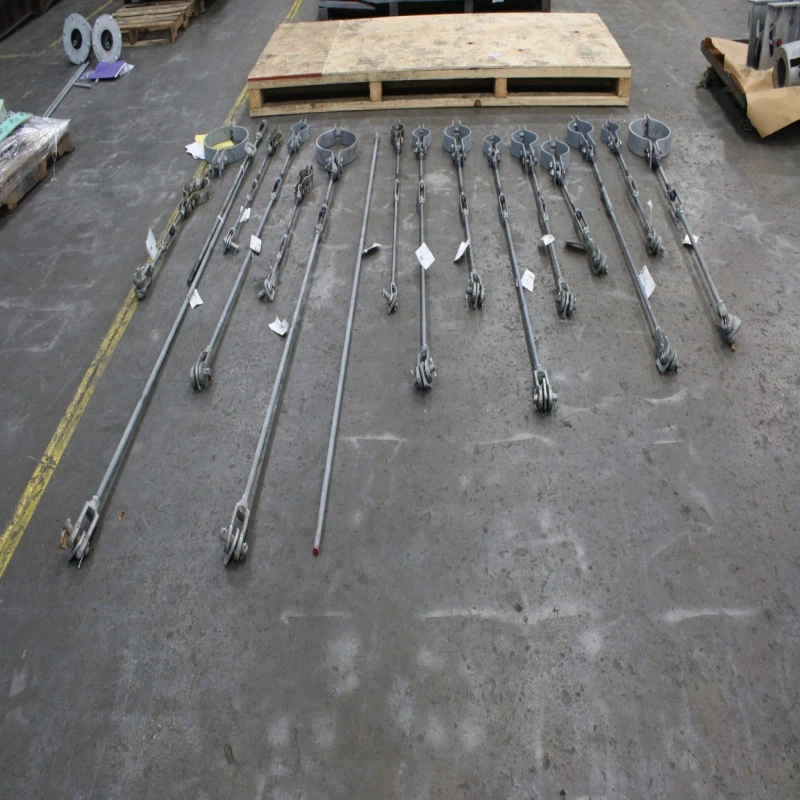
In addition to the software - based Pipeline Filter pattern for data access control, there are also physical components that are relevant in pipeline systems. For example, Adjustable Pipe Hanger Rods are essential for supporting and adjusting the position of pipes in a pipeline. These rods provide flexibility in the installation process and can help ensure the stability of the pipeline.
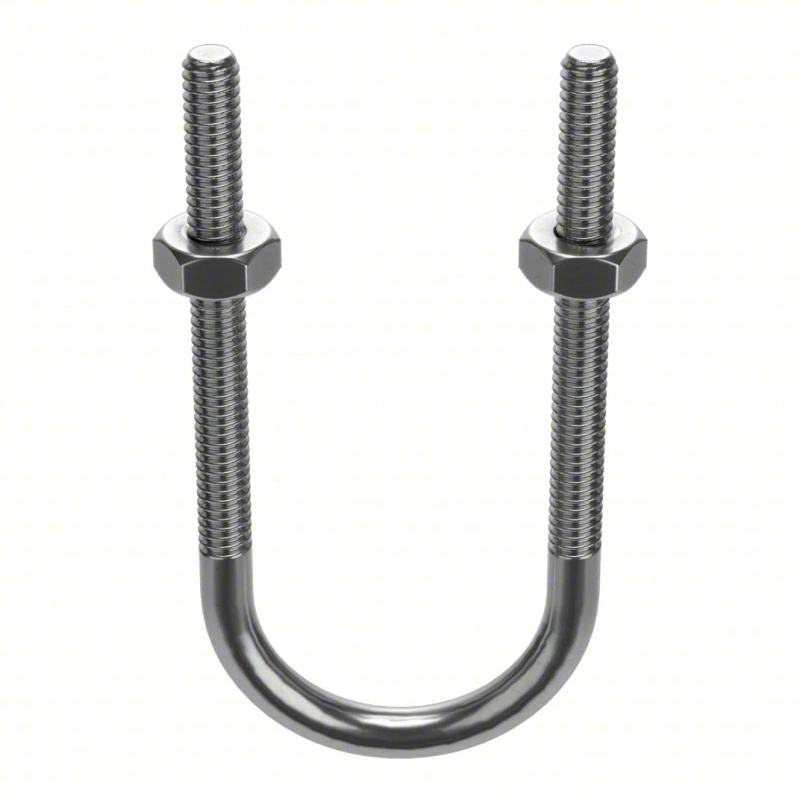
U-Type Bolt is another important component. It is used to secure pipes to various structures, such as beams or columns. U - type bolts come in different sizes and materials, allowing for a wide range of applications in pipeline systems.
Pipe Reinforcement Circle is used to strengthen pipes, especially in areas where there may be high stress or vibration. By adding a reinforcement circle, the lifespan of the pipe can be extended, and the risk of pipe failure can be reduced.
Conclusion
The Pipeline Filter pattern is a powerful and flexible approach to implementing data access control. By breaking down the data access control process into a series of individual filters, we can create a modular, scalable, and transparent system. As a Pipeline Filter supplier, I encourage organizations to consider using this pattern to enhance their data security.
If you are interested in implementing the Pipeline Filter pattern for data access control or have any questions about our products and services, please feel free to contact us for a procurement discussion. We are committed to providing high - quality solutions to meet your data security needs.
References
- Buschmann, F., Meunier, R., Rohnert, H., Sommerlad, P., & Stal, M. (1996). Pattern - Oriented Software Architecture: A System of Patterns. Wiley.
- Gamma, E., Helm, R., Johnson, R., & Vlissides, J. (1994). Design Patterns: Elements of Reusable Object - Oriented Software. Addison - Wesley.


