As a counterweights supplier, I've witnessed firsthand the critical role counterweights play in various industries. Counterweights are essential components used to balance forces, improve stability, and enhance the overall performance of machinery and equipment. However, the effectiveness of counterweights is influenced by several factors that need to be carefully considered. In this blog post, I'll explore these factors and their impact on the performance of counterweights.
1. Material Selection
The choice of material for counterweights is one of the most significant factors influencing their effectiveness. Different materials have distinct properties, such as density, strength, and corrosion resistance, which can affect the weight, durability, and functionality of the counterweights.
- Density: High - density materials allow for more weight to be concentrated in a smaller volume. For example, lead is a popular choice for counterweights due to its high density. This means that a lead counterweight can achieve the desired balancing effect in a more compact size compared to a lower - density material like concrete. On the other hand, concrete counterweights are often used when cost is a major concern, as concrete is relatively inexpensive. However, they require a larger volume to achieve the same weight as a lead counterweight.
- Strength and Durability: The counterweight needs to withstand the forces and stresses it is subjected to during operation. Steel counterweights are known for their high strength and durability. They can handle heavy loads and are resistant to impacts, making them suitable for applications in harsh environments, such as construction equipment or industrial machinery. For applications where corrosion is a concern, stainless steel or coated materials can be used to ensure long - term performance.
2. Design and Shape
The design and shape of the counterweight are crucial for its effectiveness. A well - designed counterweight can optimize the distribution of weight and improve the overall balance of the system.
- Center of Gravity: The center of gravity of the counterweight should be carefully calculated and positioned to achieve the desired balancing effect. If the center of gravity is not properly aligned, it can lead to uneven weight distribution, which may cause instability or excessive wear on the equipment. For example, in a crane, the counterweight is designed in such a way that its center of gravity is located at a specific point to counterbalance the load being lifted.
- Shape Optimization: The shape of the counterweight can also affect its performance. Streamlined shapes are often preferred in applications where aerodynamics is a concern, such as in automotive or aerospace industries. In addition, custom - shaped counterweights can be designed to fit specific spaces or to interact with other components in the system. For instance, a counterweight for a precision instrument may be designed with a unique shape to fit within a limited space while still providing the necessary balance.
3. Installation and Positioning
Proper installation and positioning of the counterweight are essential for its effectiveness. Incorrect installation can nullify the intended balancing effect and even cause damage to the equipment.
- Mounting Method: The counterweight should be securely mounted to the equipment using the appropriate mounting method. This may involve bolts, welds, or other fastening techniques. The mounting points need to be strong enough to hold the weight and withstand the forces during operation. For example, in a forklift, the counterweight is typically bolted to the rear of the vehicle to ensure a stable connection.
- Positioning Accuracy: The position of the counterweight relative to the center of the system being balanced is critical. Even a small deviation in positioning can lead to significant imbalances. In a rotating machinery, such as a turbine, the counterweight must be precisely positioned to ensure smooth and efficient operation.
4. Environmental Conditions
The environmental conditions in which the counterweight operates can have a significant impact on its effectiveness.
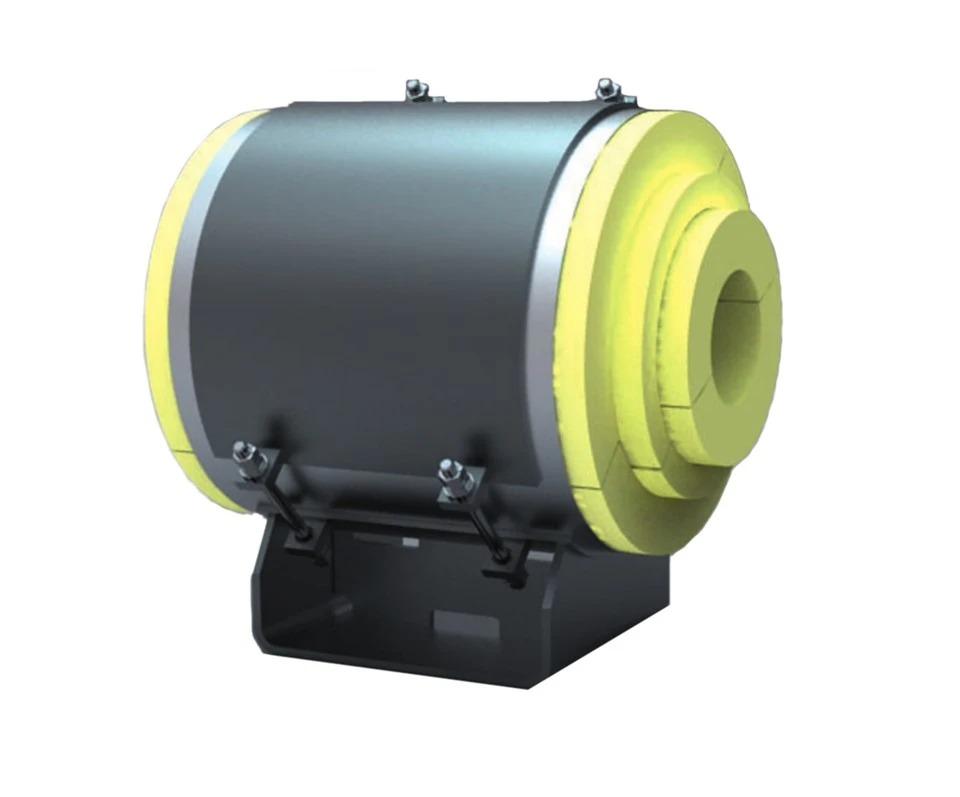
- Temperature: Extreme temperatures can affect the properties of the counterweight material. For example, high temperatures can cause some materials to expand, which may change the weight distribution and balance of the system. In cold environments, materials may become more brittle, increasing the risk of cracking or failure. In applications like Cold/Cryogenic Pipe Support For LNG and Cold/Cryogenic Pipe Support For Oil And Gas, counterweights need to be made of materials that can withstand low - temperature conditions without losing their structural integrity.
- Humidity and Corrosion: High humidity and exposure to corrosive substances can cause the counterweight to corrode over time. This can reduce the weight of the counterweight and weaken its structure. In coastal areas or industrial environments with high levels of pollution, counterweights made of corrosion - resistant materials or protected with coatings are necessary to ensure long - term performance.
5. Load and Operating Conditions
The load and operating conditions of the equipment also influence the effectiveness of the counterweight.
- Variable Loads: In many applications, the load on the equipment can vary. For example, a crane may lift different weights at different times. The counterweight needs to be designed to handle these variable loads effectively. In some cases, adjustable counterweights can be used to adapt to different load conditions.
- Dynamic Forces: During operation, the equipment may be subjected to dynamic forces, such as vibrations or shocks. These forces can affect the balance of the system and the performance of the counterweight. Counterweights need to be designed to dampen these dynamic forces and maintain stability. For example, in a vehicle suspension system, the counterweight is designed to reduce vibrations and improve ride comfort.
6. Compatibility with Other Components
The counterweight needs to be compatible with other components in the system. This includes mechanical, electrical, and hydraulic components.
- Mechanical Compatibility: The counterweight should be able to interact smoothly with other mechanical parts, such as gears, shafts, or bearings. It should not cause excessive wear or interference with these components. For example, in a mechanical clock, the counterweight needs to be precisely sized and positioned to ensure accurate timekeeping without affecting the movement of the gears.
- Electrical and Hydraulic Compatibility: In systems that involve electrical or hydraulic components, the counterweight should not interfere with their operation. For instance, in an electrically - powered vehicle, the counterweight should not cause electromagnetic interference or affect the performance of the hydraulic systems.
Conclusion
In conclusion, the effectiveness of counterweights is influenced by a variety of factors, including material selection, design and shape, installation and positioning, environmental conditions, load and operating conditions, and compatibility with other components. As a counterweights supplier, we understand the importance of considering these factors to provide our customers with high - quality counterweights that meet their specific needs.
If you are in need of counterweights for your application, we are here to help. Our team of experts can work with you to select the right material, design the optimal shape, and ensure proper installation. We offer a wide range of counterweights suitable for various industries, including automotive, construction, aerospace, and more. Contact us today to discuss your requirements and start a procurement negotiation.

References
- Smith, J. (2018). "Materials for Counterweights: A Comparative Analysis". Journal of Industrial Materials, 25(3), 45 - 52.
- Johnson, R. (2019). "Design Principles for Effective Counterweights". Mechanical Engineering Review, 32(2), 67 - 74.
- Brown, A. (2020). "Environmental Effects on Counterweight Performance". Environmental Science and Technology Journal, 18(4), 89 - 96.