


In the realm of industrial filtration and fluid management, Pipeline Filters play a crucial role in ensuring the purity and efficiency of fluid systems. As a leading Pipeline Filter supplier, we understand the significance of performance metrics in evaluating the effectiveness and suitability of these filters for diverse applications. In this blog post, we will delve into the key performance metrics for a Pipeline Filter system, shedding light on how these measures can guide you in making informed decisions for your filtration needs.
Filtration Efficiency
Filtration efficiency is perhaps the most fundamental performance metric for a Pipeline Filter. It measures the ability of the filter to remove contaminants from the fluid stream. Expressed as a percentage, filtration efficiency indicates the proportion of particles of a specific size range that are successfully captured by the filter. For instance, a filter with a 95% filtration efficiency for particles of 10 microns means that it can remove 95% of particles of that size or larger from the fluid.
The filtration efficiency of a Pipeline Filter depends on several factors, including the filter media, pore size, and construction. Different filter media, such as woven wire mesh, sintered metal, or pleated paper, offer varying levels of filtration efficiency. Woven wire mesh filters, for example, are known for their high strength and durability but may have a lower filtration efficiency compared to pleated paper filters, which can provide a larger surface area for filtration.
To ensure optimal filtration efficiency, it is essential to select a filter with a pore size that is appropriate for the size of the contaminants you need to remove. If the pore size is too large, the filter may not capture the smaller particles, while a pore size that is too small can lead to excessive pressure drop and reduced flow rates. Pipeline Filter systems are available in a wide range of pore sizes, allowing you to choose the one that best suits your specific application requirements.
Pressure Drop
Pressure drop is another critical performance metric for a Pipeline Filter system. It refers to the difference in pressure between the inlet and outlet of the filter. As the fluid passes through the filter media, it encounters resistance, which causes a decrease in pressure. A high pressure drop can indicate that the filter is clogged with contaminants or that the filter media is too restrictive, leading to reduced flow rates and increased energy consumption.
Monitoring the pressure drop across the filter is essential for maintaining the efficiency of the filtration system. A sudden increase in pressure drop may signal the need for filter replacement or cleaning. Regularly checking the pressure drop can help you identify potential issues early and prevent costly downtime.
Several factors can affect the pressure drop in a Pipeline Filter system, including the filter media, flow rate, and viscosity of the fluid. Filters with a higher filtration efficiency typically have a higher pressure drop, as they are more effective at capturing contaminants. Additionally, a higher flow rate or a more viscous fluid can also increase the pressure drop.
To minimize pressure drop and ensure optimal system performance, it is important to select a filter with a low resistance to flow. This can be achieved by choosing a filter media with a large surface area and a high porosity. Adjustable Pipe Hanger Rods can also be used to support the filter and ensure proper alignment, which can help reduce pressure drop.
Flow Rate
The flow rate is the volume of fluid that passes through the Pipeline Filter per unit of time. It is an important performance metric as it determines the capacity of the filter to handle the fluid flow in your system. A filter with a high flow rate can process a larger volume of fluid, which is essential for applications that require a continuous supply of clean fluid.
The flow rate of a Pipeline Filter is influenced by several factors, including the filter media, pressure drop, and the size and configuration of the filter housing. Filters with a larger surface area and a lower pressure drop can typically achieve a higher flow rate. Additionally, the design of the filter housing can also affect the flow rate, as a well-designed housing can minimize turbulence and ensure a smooth flow of fluid through the filter.
When selecting a Pipeline Filter, it is important to consider the required flow rate for your application. If the flow rate is too low, the filter may not be able to keep up with the demand, leading to reduced system efficiency. On the other hand, if the flow rate is too high, it can cause excessive pressure drop and potentially damage the filter.
Dirt Holding Capacity
Dirt holding capacity is a measure of the amount of contaminants that a Pipeline Filter can capture before it needs to be replaced or cleaned. It is an important performance metric as it determines the service life of the filter and the frequency of maintenance. A filter with a high dirt holding capacity can operate for a longer period of time without requiring replacement, which can reduce maintenance costs and downtime.
The dirt holding capacity of a Pipeline Filter depends on several factors, including the filter media, pore size, and surface area. Filters with a larger surface area and a higher porosity can typically hold more contaminants. Additionally, the type of filter media can also affect the dirt holding capacity, as some media are more effective at capturing and retaining contaminants than others.
To maximize the dirt holding capacity of your Pipeline Filter, it is important to select a filter with a suitable pore size and surface area for your application. Regularly monitoring the pressure drop across the filter can also help you determine when the filter needs to be replaced or cleaned, ensuring that the dirt holding capacity is not exceeded.
Particle Retention
Particle retention is a performance metric that measures the ability of the filter to retain the captured particles within the filter media. It is important to ensure that the filter can effectively retain the particles to prevent them from re-entering the fluid stream. A filter with poor particle retention can lead to contamination of the downstream equipment and reduced system performance.
The particle retention of a Pipeline Filter depends on several factors, including the filter media, pore size, and the design of the filter housing. Filters with a smaller pore size and a more tortuous flow path can typically provide better particle retention. Additionally, the use of a secondary filter or a pre-filter can help improve the particle retention of the main filter.
Chemical Compatibility
Chemical compatibility is an important performance metric when selecting a Pipeline Filter for applications that involve corrosive or reactive fluids. The filter media and housing must be resistant to the chemicals in the fluid to ensure long-term performance and reliability. Exposure to incompatible chemicals can cause the filter media to degrade, leading to reduced filtration efficiency and potential damage to the filter housing.
Before selecting a Pipeline Filter, it is important to consider the chemical composition of the fluid and ensure that the filter media and housing are compatible with the chemicals. Most filter manufacturers provide chemical compatibility charts that can help you select the appropriate filter for your application.
Temperature and Pressure Ratings
The temperature and pressure ratings of a Pipeline Filter are important performance metrics that determine the operating conditions under which the filter can safely and effectively function. The filter media and housing must be able to withstand the temperature and pressure of the fluid without experiencing deformation or damage.
When selecting a Pipeline Filter, it is important to consider the maximum temperature and pressure that the filter will be exposed to in your application. Make sure to choose a filter with temperature and pressure ratings that are higher than the expected operating conditions to ensure a margin of safety.
Conclusion
In conclusion, understanding the performance metrics for a Pipeline Filter system is essential for selecting the right filter for your application. Filtration efficiency, pressure drop, flow rate, dirt holding capacity, particle retention, chemical compatibility, and temperature and pressure ratings are all important factors to consider when evaluating the performance of a Pipeline Filter.
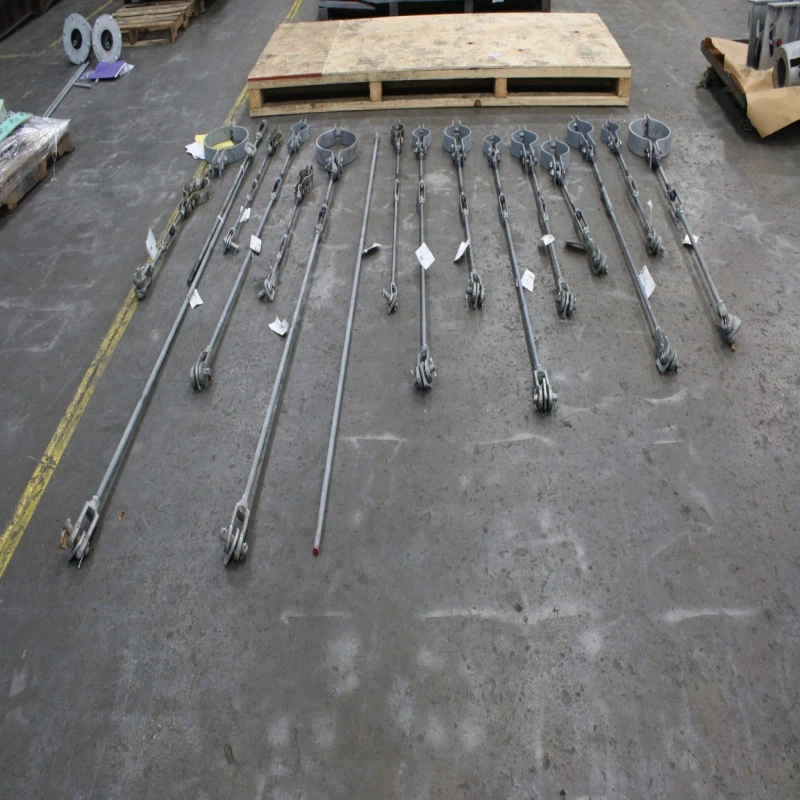
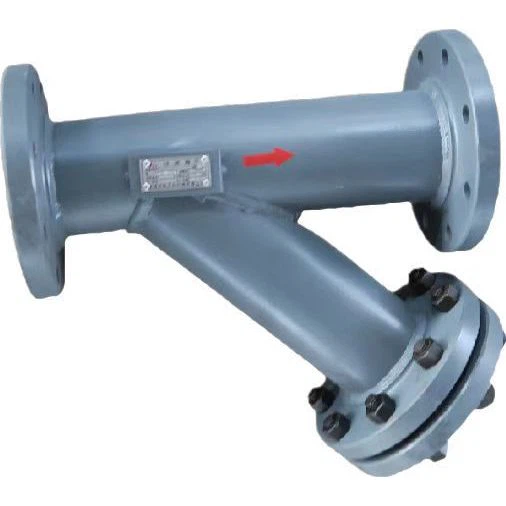
As a Pipeline Filter supplier, we are committed to providing our customers with high-quality filters that meet the highest performance standards. Our extensive range of Pipeline Filter products, along with other related products such as U-Type Bolt and Adjustable Pipe Hanger Rods, are designed to provide reliable and efficient filtration solutions for a wide range of industries.
If you are looking for a Pipeline Filter system that meets your specific performance requirements, we invite you to contact us for a detailed consultation. Our team of experts will be happy to assist you in selecting the right filter for your application and provide you with all the information you need to make an informed decision. Let's work together to ensure the purity and efficiency of your fluid systems.
References
- "Filtration Handbook" by Peter A. Schweitzer
- "Industrial Filtration Technology" by Andrew W. W. Leung
- Manufacturer's technical documentation for Pipeline Filters


