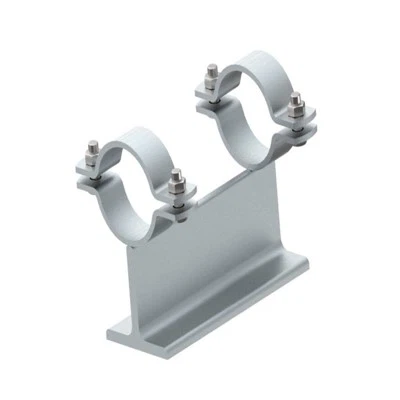
Hey there! As a supplier of Pipe Reinforcement Circles, I often get asked about the minimum thickness of these nifty little components. So, I thought I'd dive into this topic and share what I've learned over the years.
First off, let's talk about what a Pipe Reinforcement Circle actually does. These circles are used to strengthen pipes at critical points, like where there are joints, bends, or where the pipe is subject to high stress. They help distribute the load more evenly across the pipe, reducing the risk of cracking or failure. It's like giving your pipes a little extra muscle to handle the tough stuff.
Now, determining the minimum thickness of a Pipe Reinforcement Circle isn't a one - size - fits - all deal. There are several factors that come into play.
One of the most important factors is the diameter of the pipe. Generally speaking, larger diameter pipes require thicker reinforcement circles. This is because larger pipes have a greater surface area and are more likely to experience higher stresses. For example, a small - diameter pipe used in a residential plumbing system might only need a relatively thin reinforcement circle, while a large - diameter pipe in an industrial pipeline could require a much thicker one.
The material of the pipe also matters. Different materials have different strength properties. For instance, a steel pipe is generally stronger than a plastic pipe. So, if you're using a steel pipe, you might be able to get away with a slightly thinner reinforcement circle compared to a plastic pipe. But it's not just about the base strength of the material; factors like corrosion resistance and the environment the pipe is in also play a role. If the pipe is in a corrosive environment, you'll want a thicker reinforcement circle to account for potential material degradation over time.
The pressure the pipe is subjected to is another crucial factor. High - pressure pipes need more reinforcement. If a pipe is carrying a fluid or gas at high pressure, the forces acting on the pipe walls are much greater. In this case, a thicker reinforcement circle is necessary to prevent the pipe from bursting or deforming. You can think of it like wearing a thicker helmet when you're doing extreme sports; you need more protection when the risks are higher.
So, how do we actually calculate the minimum thickness? Well, there are some industry standards and formulas that can help. For example, in many engineering applications, the American Society of Mechanical Engineers (ASME) provides guidelines for calculating the required thickness of reinforcement components. These standards take into account all the factors I mentioned earlier, as well as other considerations like the type of loading (static or dynamic) and the safety factor.
Let's say you're working on a project and you're not sure about the exact minimum thickness for your Pipe Reinforcement Circle. You can always consult with an engineer or a specialist in the field. They have the expertise and experience to analyze your specific situation and recommend the appropriate thickness.
Now, I know all this technical talk might seem a bit overwhelming, but that's where we come in as a Pipe Reinforcement Circle supplier. We've been in the business for a long time, and we've worked with all sorts of pipes and applications. We can help you figure out the right thickness for your needs. Whether you're working on a small - scale DIY project or a large - scale industrial installation, we've got you covered.
We also offer a wide range of Pipe Reinforcement Circles in different thicknesses, materials, and sizes. So, no matter what your requirements are, you're likely to find a suitable product in our inventory. And if you can't find exactly what you need, we can even customize a solution for you.
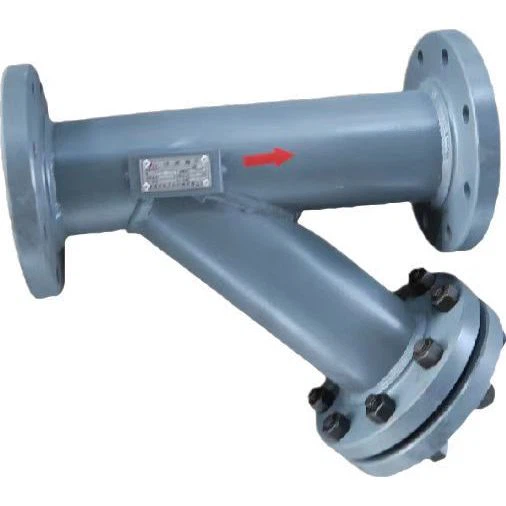
In addition to Pipe Reinforcement Circles, we also supply other related products like Pipe Clamps and Pipeline Filter. These products work together to ensure the optimal performance and longevity of your piping system. Pipe clamps help secure the pipes in place, while pipeline filters remove impurities from the fluid or gas flowing through the pipes.
If you're in the market for Pipe Reinforcement Circles or any of our other products, don't hesitate to reach out. We're always happy to have a chat about your project and offer our advice. Whether you have a specific question about the minimum thickness or you just need some general information about our products, we're here to help. You can visit our website Pipe Reinforcement Circle to learn more about our offerings and get in touch with us.
In conclusion, the minimum thickness of a Pipe Reinforcement Circle depends on several factors, including the pipe diameter, material, pressure, and the environment. But with the right knowledge and the right supplier, you can ensure that your pipes are well - protected and performing at their best. So, if you're looking for high - quality Pipe Reinforcement Circles and related products, give us a shout. We're ready to help you make your piping project a success.
References:

- American Society of Mechanical Engineers (ASME) standards
- Industry best practices and engineering handbooks