Blade dampers are essential components in various industries, offering a wide range of uses and benefits. As a damper supplier, I have witnessed firsthand the diverse applications and advantages of blade dampers. In this blog post, I will explore the different uses of blade dampers and how they contribute to the efficient and safe operation of various systems.
1. Aerospace Industry
In the aerospace industry, blade dampers play a crucial role in the performance and safety of aircraft engines. Turbine blades in jet engines are subjected to high levels of vibration and stress during operation. These vibrations can lead to fatigue, reduced efficiency, and even catastrophic failure if not properly controlled. Blade dampers are used to reduce these vibrations, ensuring the smooth and reliable operation of the engine.
One of the primary functions of blade dampers in aerospace applications is to suppress flutter. Flutter is a self - excited vibration that can occur when the aerodynamic forces acting on the blade couple with its structural dynamics. If left unchecked, flutter can cause rapid and severe damage to the turbine blades. Blade dampers absorb and dissipate the energy associated with flutter, preventing it from reaching critical levels.
For example, in modern high - bypass turbofan engines, blade dampers are designed to be lightweight and highly effective. They are often integrated into the blade structure itself, using advanced materials and manufacturing techniques. This not only helps in reducing the overall weight of the engine but also improves its fuel efficiency and performance.
2. Wind Energy Sector
The wind energy sector is another area where blade dampers are widely used. Wind turbine blades are constantly exposed to changing wind conditions, which can cause significant vibrations. These vibrations can affect the structural integrity of the blades, leading to premature wear and tear, and potentially reducing the lifespan of the turbine.
Blade dampers in wind turbines are used to mitigate these vibrations. They work by adjusting the damping characteristics of the blades, depending on the wind speed and direction. For instance, in high - wind conditions, the dampers can increase their damping effect to prevent excessive vibrations. This helps in maintaining the stability of the turbine and reducing the loads on the supporting structure.
Moreover, blade dampers can also improve the aerodynamic performance of wind turbine blades. By reducing vibrations, they can optimize the flow of air around the blades, increasing the efficiency of power generation. This is particularly important as the wind energy industry continues to strive for higher efficiency and lower costs.
3. Industrial Machinery
In industrial machinery, blade dampers are used to control vibrations in rotating equipment such as fans, pumps, and compressors. These machines often have blades or impellers that rotate at high speeds, generating vibrations that can be transmitted to the surrounding structure.
Excessive vibrations in industrial machinery can cause several problems, including noise pollution, reduced component life, and decreased operational efficiency. Blade dampers are installed to absorb and dissipate the energy of these vibrations, protecting the machinery and its surroundings.
For example, in large industrial fans, blade dampers can be used to reduce the noise generated by the rotating blades. By minimizing vibrations, the dampers help in creating a quieter working environment. Additionally, they can also improve the reliability of the fan by reducing the stress on the blades and other components, leading to fewer breakdowns and lower maintenance costs.
4. Automotive Industry
Although not as commonly known as in other industries, blade dampers also have applications in the automotive industry. In some high - performance engines, blade dampers can be used to reduce vibrations in the intake and exhaust systems.
The intake and exhaust valves in an engine open and close at high speeds, creating pressure waves and vibrations. These vibrations can affect the engine's performance and fuel efficiency. Blade dampers can be used to smooth out these pressure waves, improving the airflow and reducing the noise and vibrations associated with the engine's operation.
In addition, in some advanced automotive suspension systems, blade - like dampers can be used to provide a more precise and adjustable damping effect. These dampers can adapt to different driving conditions, such as rough roads or high - speed driving, to improve the comfort and handling of the vehicle.
5. Marine Applications
In the marine industry, blade dampers are used in various applications, including ship propulsion systems and offshore platforms. In ship propellers, blade dampers can help in reducing the vibrations caused by the interaction between the propeller blades and the water.
These vibrations can not only cause noise and discomfort for the crew but also lead to structural damage over time. By using blade dampers, the vibrations can be minimized, improving the efficiency of the propeller and reducing the wear and tear on the ship's hull and other components.
On offshore platforms, blade dampers can be used in ventilation systems and other rotating equipment. These platforms are exposed to harsh environmental conditions, including strong winds and waves, which can cause significant vibrations. Blade dampers help in ensuring the reliable operation of the equipment and protecting the platform's structure.
The Role of Hydraulic Dampers and Hydraulic Shock Absorbers
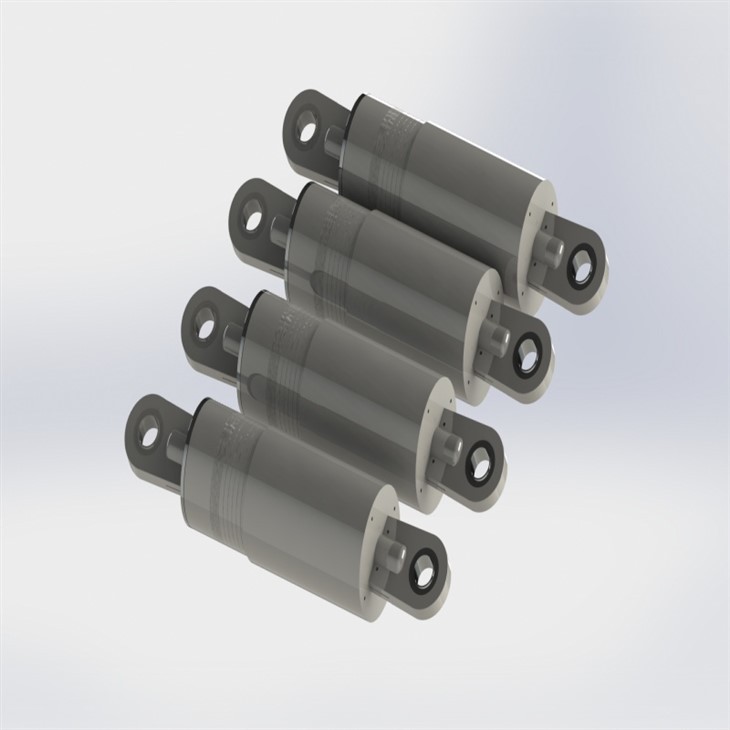
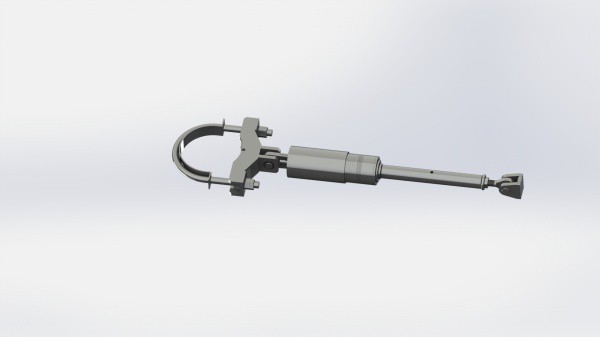
In many of the above applications, Hydraulic Damper and Hydraulic Shock Absorber are often used as types of blade dampers. Hydraulic dampers work by using a fluid (usually oil) to absorb and dissipate energy. They can provide a more precise and adjustable damping effect compared to other types of dampers.
Hydraulic shock absorbers, on the other hand, are designed to handle sudden and large - magnitude shocks. They are commonly used in applications where there is a risk of impact, such as in some industrial machinery and automotive suspension systems.
Contact for Procurement
If you are in need of high - quality blade dampers for your specific application, I encourage you to reach out to us. As a damper supplier, we have a wide range of blade dampers available, including hydraulic dampers and shock absorbers. Our team of experts can help you select the most suitable damper for your needs, ensuring optimal performance and reliability. Whether you are in the aerospace, wind energy, industrial machinery, automotive, or marine industry, we have the solutions to meet your requirements. Don't hesitate to contact us for more information and to start a procurement discussion.
References
- Smith, J. (2018). Vibration Control in Aerospace Engines. Journal of Aerospace Engineering, 31(2), 04018005.
- Johnson, M. (2019). Wind Turbine Blade Design and Vibration Mitigation. Renewable Energy, 135, 1023 - 1032.
- Brown, A. (2020). Industrial Machinery Vibration Analysis and Control. Machinery Dynamics Journal, 45(3), 201 - 215.
- Davis, R. (2021). Automotive Engine Vibration Reduction Techniques. Automotive Engineering Review, 50(4), 32 - 41.
- Wilson, S. (2022). Marine Propulsion System Vibration Management. Marine Technology and SNAME Journal, 59(1), 12 - 25.