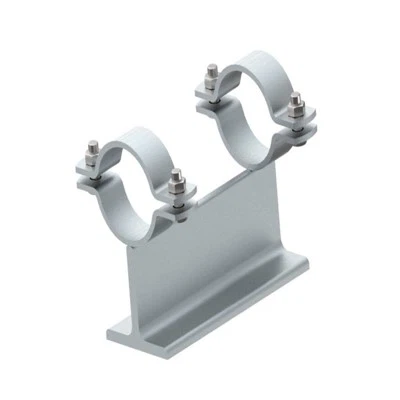
Pipe clamps are essential components in various industries, providing support and stability to pipes in diverse applications. Over the years, the design and functionality of pipe clamps have evolved significantly, leading to a clear distinction between traditional and modern types. As a reputable supplier of pipe clamps, I have witnessed firsthand the transformation in this field and understand the unique characteristics of both traditional and modern pipe clamps. In this blog, I will delve into the differences between these two types, exploring their features, advantages, and applications.
Design and Structure
Traditional pipe clamps typically feature a simple and straightforward design. They are often made of basic materials such as cast iron or steel and have a relatively rigid structure. These clamps usually consist of a U-shaped or C-shaped body with bolts or screws for tightening around the pipe. The design is focused on providing a secure grip on the pipe, but it may lack flexibility in terms of adjustment and customization.
On the other hand, modern pipe clamps incorporate advanced design concepts and materials. They are engineered to be more versatile and adaptable to different pipe sizes and installation requirements. Many modern pipe clamps feature adjustable components, allowing for easy installation and fine-tuning. For example, Adjustable Pipe Hanger Rods are a type of modern pipe clamp that can be adjusted to different lengths, providing greater flexibility in pipe support. Additionally, modern pipe clamps may use lightweight and corrosion-resistant materials such as aluminum or plastic, which offer advantages in terms of durability and ease of handling.
Functionality and Performance
In terms of functionality, traditional pipe clamps are primarily designed to provide a fixed and stable support for pipes. They are suitable for applications where the pipe position and orientation are relatively static. However, in some situations where pipes may experience movement or vibration, traditional clamps may not be able to effectively absorb these forces, which could lead to loosening or damage over time.
Modern pipe clamps, on the other hand, are designed to address these limitations. They often incorporate features such as shock absorption and vibration isolation to protect the pipes and the surrounding infrastructure. For instance, some modern pipe clamps are equipped with rubber or elastomeric inserts that can dampen vibrations and reduce noise. This makes them ideal for applications in environments with high levels of vibration, such as industrial machinery or transportation systems.
Another important aspect of performance is the load-bearing capacity. Traditional pipe clamps are generally designed to handle specific load ranges based on their size and material. While they can provide reliable support for standard applications, they may not be suitable for heavy-duty or high-pressure situations. Modern pipe clamps, however, are engineered to have higher load-bearing capacities and can be customized to meet the specific requirements of different projects. For example, U-Type Bolt is a type of modern pipe clamp that is commonly used in heavy-duty applications due to its strong and stable design.
Installation and Maintenance
Installation of traditional pipe clamps can be relatively straightforward, but it often requires specialized tools and skills. The process typically involves aligning the clamp with the pipe, tightening the bolts or screws, and ensuring a proper fit. However, due to their rigid design, traditional clamps may be difficult to install in tight spaces or on irregularly shaped pipes.
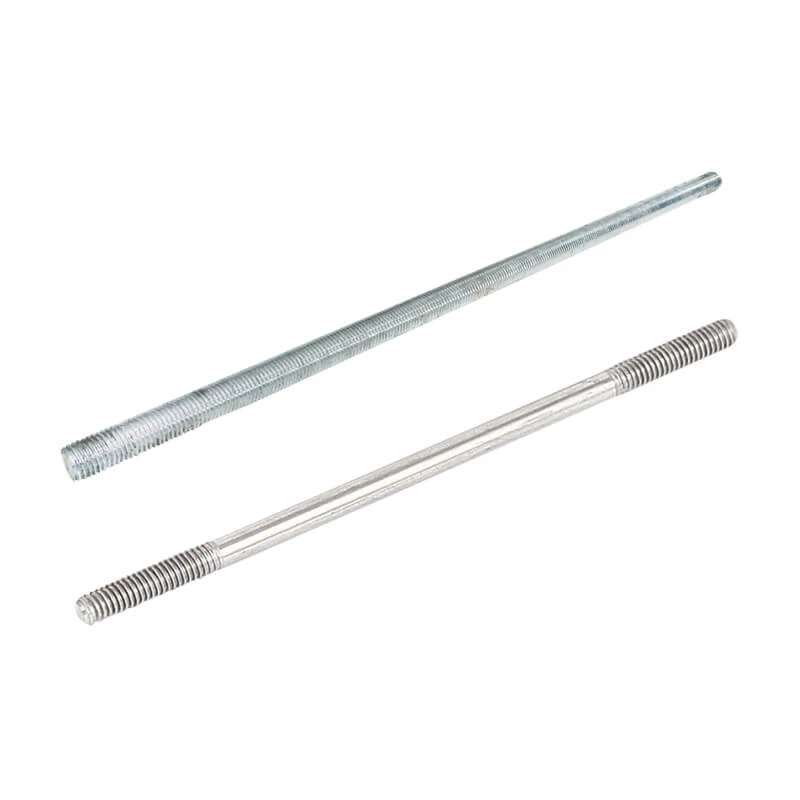
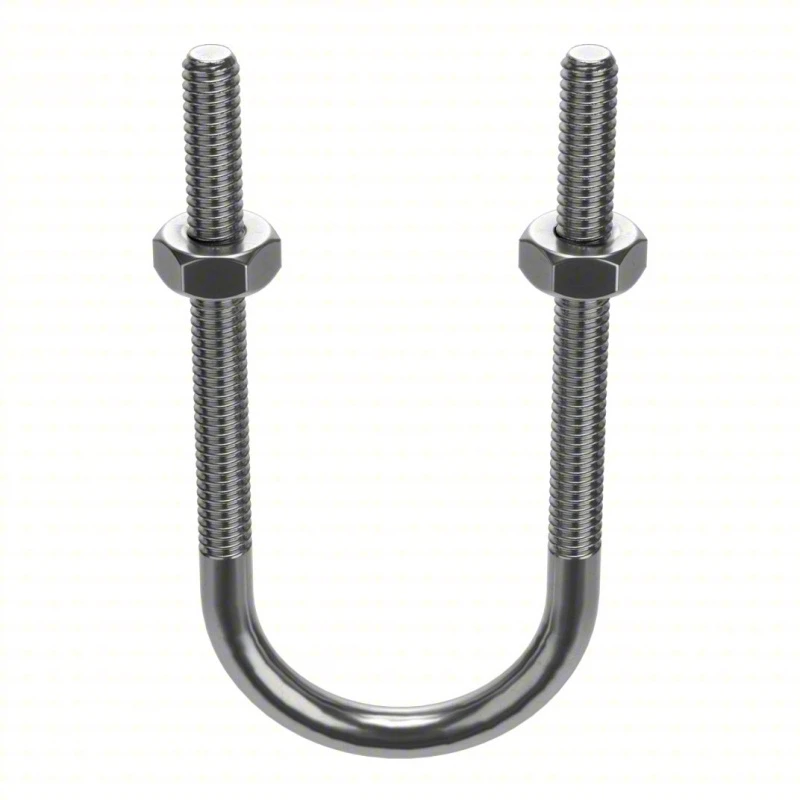
Modern pipe clamps, on the other hand, are designed with ease of installation in mind. Many modern clamps feature quick-release mechanisms or adjustable components that allow for fast and simple installation. For example, some modern pipe clamps can be installed without the need for any tools, which significantly reduces installation time and labor costs. Additionally, modern pipe clamps are often more modular and can be easily disassembled and reassembled for maintenance or replacement.
Maintenance is also an important consideration when choosing pipe clamps. Traditional pipe clamps may require regular inspection and tightening to ensure their continued performance. They are also more prone to corrosion and wear, which may require frequent replacement of parts. Modern pipe clamps, however, are designed to be more durable and require less maintenance. The use of corrosion-resistant materials and advanced manufacturing techniques ensures that modern clamps can withstand harsh environments and have a longer service life.
Applications
Traditional pipe clamps have been widely used in various industries for many years and are still commonly found in older buildings and infrastructure. They are suitable for applications where cost is a major factor and where the requirements for flexibility and performance are relatively low. Some common applications of traditional pipe clamps include plumbing systems, HVAC systems, and general industrial piping.
Modern pipe clamps, on the other hand, are increasingly being used in more demanding applications where high performance, flexibility, and reliability are required. They are commonly used in industries such as aerospace, automotive, and renewable energy. For example, in the aerospace industry, modern pipe clamps are used to support fuel lines and hydraulic systems, where the ability to withstand high temperatures, vibrations, and pressure is crucial. In the renewable energy sector, modern pipe clamps are used in solar and wind power systems to support pipes and cables, where the need for lightweight and corrosion-resistant materials is essential.
Conclusion
In conclusion, the differences between traditional and modern pipe clamps are significant in terms of design, functionality, performance, installation, and applications. While traditional pipe clamps still have their place in certain applications, modern pipe clamps offer many advantages in terms of flexibility, performance, and ease of use. As a supplier of pipe clamps, I understand the importance of providing our customers with the right products for their specific needs. Whether you are looking for a cost-effective solution for a standard application or a high-performance clamp for a demanding project, we have a wide range of traditional and modern pipe clamps to choose from.
If you are interested in learning more about our pipe clamps or would like to discuss your specific requirements, please feel free to contact us. Our team of experts is always ready to assist you in finding the best solution for your project.
References
- "Pipe Hangers and Supports Handbook" by Cameron Engineering & Associates
- "Mechanical Engineering Design" by Joseph Edward Shigley and Charles R. Mischke
- Industry standards and specifications for pipe clamps from relevant organizations such as ASTM and ASME