In the realm of pressure vessels, various components play crucial roles in ensuring their safe and efficient operation. One such vital component is the manometer. As a pressure vessel supplier, I have witnessed firsthand the significance of manometers in different industrial applications. In this blog, I will delve into the functions of a manometer in a pressure vessel, exploring its importance, working principles, and practical applications.
Understanding Pressure Vessels
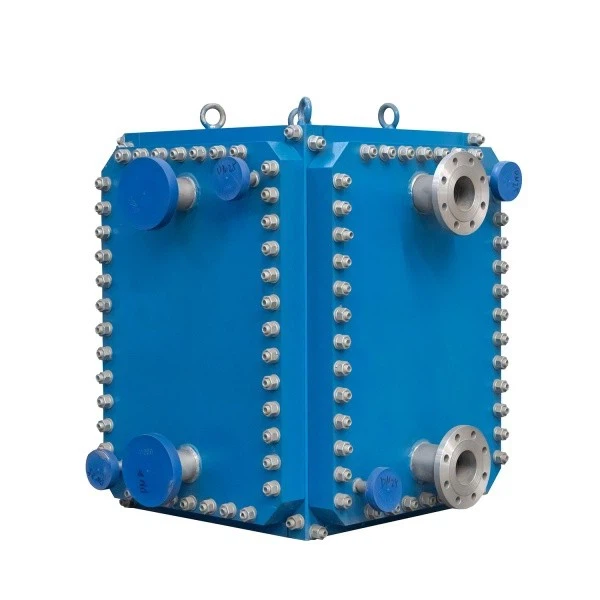
Before we dive into the role of a manometer, let's briefly understand what pressure vessels are. Pressure vessels are containers designed to hold gases or liquids at a pressure significantly different from the ambient pressure. They are widely used in industries such as oil and gas, chemical processing, power generation, and food and beverage. Examples of pressure vessels include Fin-tube Air Cooled Heat Exchanger, Storage Tank, and Fin-tube Draft Force Air Cooler.
These vessels are subject to strict safety regulations and standards to prevent accidents such as explosions or leaks. To ensure their safe operation, it is essential to monitor and control the pressure inside the vessel accurately. This is where the manometer comes into play.
What is a Manometer?
A manometer is a device used to measure pressure. It works on the principle of balancing the pressure of a fluid (either gas or liquid) against a column of liquid, usually mercury or water. The most common type of manometer is the U-tube manometer, which consists of a U-shaped tube filled with a liquid. One end of the tube is connected to the pressure vessel, while the other end is open to the atmosphere or connected to a reference pressure source.
When the pressure inside the vessel changes, it causes the liquid in the U-tube to move. By measuring the difference in the height of the liquid columns on either side of the U-tube, the pressure can be determined. The pressure is proportional to the height difference and the density of the liquid used in the manometer.
Functions of a Manometer in a Pressure Vessel
1. Pressure Monitoring
The primary function of a manometer in a pressure vessel is to monitor the pressure inside the vessel continuously. By providing real-time pressure readings, the manometer allows operators to keep track of the vessel's operating conditions and ensure that the pressure remains within the safe limits specified by the design and regulatory requirements.
For example, in a chemical processing plant, the pressure inside a reaction vessel needs to be carefully controlled to prevent overpressure, which could lead to a dangerous chemical reaction or even an explosion. A manometer installed on the vessel provides a visual indication of the pressure, allowing operators to take appropriate action if the pressure exceeds the safe limit, such as adjusting the flow rate of the reactants or activating safety relief valves.
2. Safety Assurance
In addition to pressure monitoring, a manometer also plays a crucial role in ensuring the safety of the pressure vessel and its surroundings. By detecting any abnormal pressure changes, it can alert operators to potential problems before they escalate into serious safety hazards.
For instance, if the pressure inside a storage tank suddenly increases due to a blockage in the outlet or a malfunctioning valve, the manometer will show a significant rise in pressure. This early warning allows operators to investigate the cause of the problem and take corrective measures to prevent the tank from rupturing or exploding.
3. Process Control
In many industrial processes, the pressure inside a vessel is a critical parameter that affects the quality and efficiency of the process. By accurately measuring the pressure, a manometer enables operators to control the process variables and optimize the performance of the pressure vessel.
For example, in a steam boiler, the pressure needs to be maintained at a specific level to ensure efficient heat transfer and steam generation. A manometer installed on the boiler provides feedback to the control system, which can adjust the fuel supply, water level, and other parameters to maintain the desired pressure.
4. Calibration and Verification
Manometers are also used for calibration and verification of other pressure-measuring devices. Since manometers are based on a simple and well-understood physical principle, they are considered to be highly accurate and reliable. By comparing the readings of other pressure sensors or gauges with those of a manometer, their accuracy can be verified, and any calibration errors can be corrected.
This is particularly important in industries where precise pressure measurements are required, such as aerospace, pharmaceuticals, and semiconductor manufacturing. In these industries, even a small error in pressure measurement can have a significant impact on the quality and performance of the products.
Types of Manometers Used in Pressure Vessels
There are several types of manometers available, each with its own advantages and limitations. The choice of manometer depends on the specific application, the range of pressures to be measured, and the accuracy requirements.
1. U-Tube Manometer
As mentioned earlier, the U-tube manometer is the most common type of manometer. It is simple, inexpensive, and easy to use. However, it has a limited range of pressure measurement and is not suitable for measuring high pressures.


2. Inclined Manometer
An inclined manometer is a variation of the U-tube manometer in which the tube is inclined at an angle. This design increases the sensitivity of the manometer, allowing it to measure small pressure differences more accurately. Inclined manometers are commonly used in applications where low pressures need to be measured, such as in ventilation systems or air ducts.
3. Bourdon Tube Manometer
A Bourdon tube manometer uses a curved tube (usually made of metal) that straightens when pressure is applied. The movement of the tube is transmitted to a pointer on a dial, which indicates the pressure. Bourdon tube manometers are more suitable for measuring high pressures and are commonly used in industrial applications such as hydraulic systems and steam boilers.
4. Digital Manometer
Digital manometers use electronic sensors to measure pressure and display the readings on a digital screen. They offer high accuracy, fast response times, and the ability to store and transmit data. Digital manometers are becoming increasingly popular in modern industrial applications due to their convenience and advanced features.
Practical Considerations for Using Manometers in Pressure Vessels
When using a manometer in a pressure vessel, there are several practical considerations that need to be taken into account to ensure accurate and reliable pressure measurements.
1. Installation
The manometer should be installed correctly to ensure accurate readings. It should be mounted vertically and level to prevent errors due to the tilt of the tube. The connection between the manometer and the pressure vessel should be tight and leak-free to avoid any pressure losses.
2. Fluid Selection
The choice of fluid used in the manometer depends on the application and the range of pressures to be measured. Mercury is commonly used in manometers due to its high density and low vapor pressure, which allows for accurate measurement of high pressures. However, mercury is toxic and requires special handling and disposal procedures. Water is a safer alternative for measuring low pressures, but it has a lower density and may require a longer tube to achieve the same level of accuracy.
3. Maintenance
Regular maintenance is essential to ensure the proper functioning of the manometer. The tube should be cleaned periodically to remove any dirt or debris that may affect the accuracy of the readings. The fluid level should be checked and adjusted as needed to ensure that it remains within the recommended range.
4. Calibration
Manometers should be calibrated regularly to ensure their accuracy. Calibration involves comparing the readings of the manometer with a known reference pressure source and adjusting the instrument if necessary. Calibration should be performed by a qualified technician using calibrated equipment.
Conclusion
In conclusion, a manometer is a vital component in a pressure vessel, playing a crucial role in pressure monitoring, safety assurance, process control, and calibration. As a pressure vessel supplier, I understand the importance of using high-quality manometers to ensure the safe and efficient operation of our products.
Whether you are in the oil and gas, chemical processing, power generation, or any other industry that uses pressure vessels, accurate pressure measurement is essential for maintaining safety and productivity. If you are looking for reliable pressure vessels and manometers for your application, I encourage you to contact us for a consultation. Our team of experts can help you select the right equipment and provide you with the support and service you need to ensure the success of your project.
References
- Perry, R. H., & Green, D. W. (Eds.). (2008). Perry's Chemical Engineers' Handbook. McGraw-Hill.
- ASME Boiler and Pressure Vessel Code. (2019). American Society of Mechanical Engineers.
- Crane, D. S. (2012). Flow of Fluids Through Valves, Fittings, and Pipe. Crane Co.