When it comes to dampers, one of the most frequently asked questions is about the relationship between damper size and performance. As a damper supplier, I've spent years studying and working with various types of dampers, and I'm excited to share my insights on this crucial topic.
Understanding Dampers
Before delving into the relationship between size and performance, let's briefly understand what dampers are. Dampers are mechanical devices used to control motion by dissipating energy. They are commonly used in a wide range of applications, from automotive suspension systems to industrial machinery and aerospace equipment. There are different types of dampers, including Hydraulic Shock Absorber and Hydraulic Damper, each with its own unique characteristics and functions.
Key Performance Metrics of Dampers
To understand how damper size affects performance, we first need to define the key performance metrics. These include damping force, response time, durability, and energy dissipation capacity.
- Damping Force: This is the force exerted by the damper to resist motion. It is a critical parameter as it determines how effectively the damper can control the movement of the system it is attached to.
- Response Time: The time it takes for the damper to start exerting its damping force after a motion is initiated. A shorter response time means the damper can react more quickly to changes in motion.
- Durability: Dampers need to withstand repeated cycles of operation without significant degradation in performance. Durability is affected by factors such as the materials used, the design, and the operating conditions.
- Energy Dissipation Capacity: This refers to the amount of energy the damper can absorb and dissipate during its operation. It is an important measure of the damper's ability to protect the system from excessive vibrations and shocks.
Impact of Damper Size on Damping Force
One of the most significant ways in which damper size affects performance is through its influence on damping force. Generally, larger dampers can generate higher damping forces. This is because a larger damper typically has a larger piston area and a greater volume of damping fluid.
When a damper is in operation, the piston moves through the damping fluid, creating resistance. The larger the piston area, the more fluid it has to displace, resulting in a higher damping force. Additionally, a larger volume of damping fluid can provide more resistance to the movement of the piston, further increasing the damping force.
For example, in a heavy - duty industrial application where large loads need to be controlled, a larger damper is often required to generate the necessary damping force. On the other hand, in a lightweight automotive application, a smaller damper may be sufficient to control the motion of the vehicle's suspension system.
Effect of Damper Size on Response Time
The size of a damper can also have an impact on its response time. Smaller dampers generally have a shorter response time compared to larger ones. This is because a smaller damper has less mass and a smaller volume of fluid to move.
When a motion is initiated, the piston in a smaller damper can start moving more quickly as it has less inertia to overcome. Additionally, the smaller volume of fluid in a smaller damper can be displaced more rapidly, allowing the damper to start exerting its damping force sooner.
In applications where quick response is crucial, such as in high - speed machinery or racing vehicles, smaller dampers may be preferred. However, it's important to note that if the damper is too small, it may not be able to generate enough damping force to effectively control the motion.
Influence of Damper Size on Durability
Damper size can also affect its durability. Larger dampers tend to be more durable in many cases. This is because they are often built with stronger materials and have a more robust design to handle the higher loads and forces associated with their larger size.
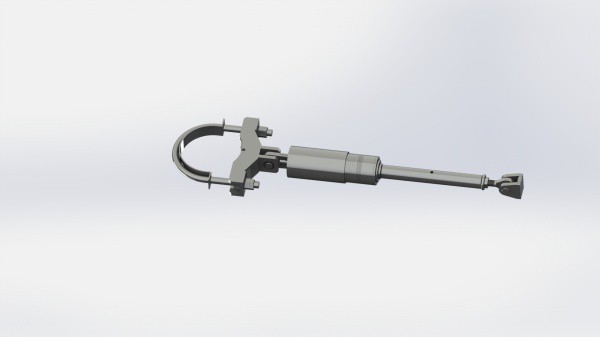
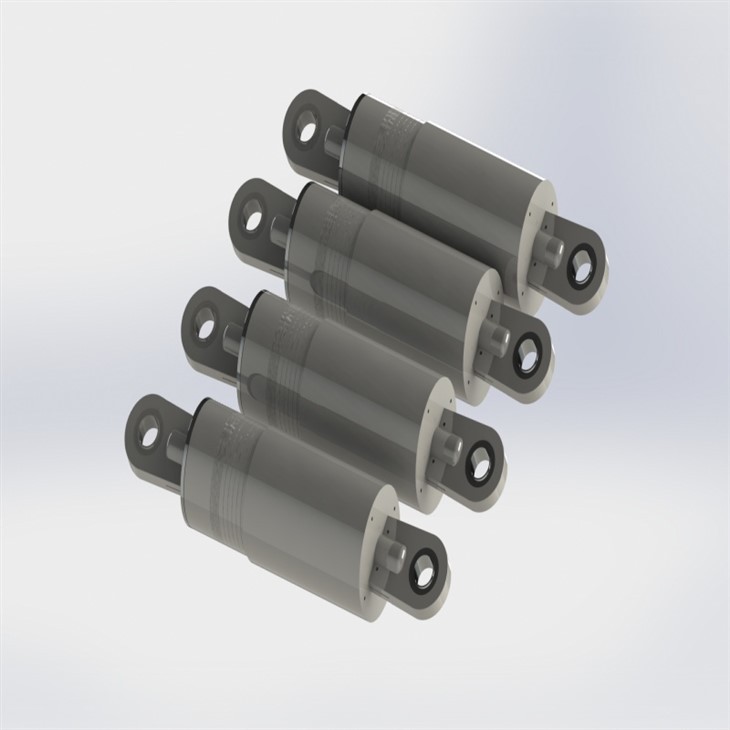
The larger components in a bigger damper are less likely to experience excessive stress and wear compared to smaller components. For example, a larger piston rod in a large damper can withstand higher bending forces without deforming. Additionally, the larger volume of damping fluid in a large damper can help to dissipate heat more effectively, reducing the risk of thermal damage to the damper.
However, the operating conditions also play a significant role in determining durability. Even a large damper can fail prematurely if it is subjected to extreme temperatures, corrosive environments, or excessive shock loads.
Relationship between Damper Size and Energy Dissipation Capacity
The energy dissipation capacity of a damper is closely related to its size. Larger dampers generally have a higher energy dissipation capacity. This is because they can absorb and dissipate more energy due to their larger volume of damping fluid and larger piston area.
When a damper dissipates energy, it converts the kinetic energy of the motion into heat energy, which is then dissipated into the surrounding environment. A larger damper can handle more energy input without overheating or experiencing a significant reduction in performance.
In applications where high - energy impacts or vibrations are common, such as in earthquake - resistant building structures or heavy - duty mining equipment, large dampers are often used to ensure effective energy dissipation.
Choosing the Right Damper Size
Selecting the appropriate damper size for a specific application is a complex process that requires careful consideration of multiple factors. These include the type of application, the expected loads and forces, the required damping force, response time, durability, and energy dissipation capacity.
It's important to work closely with a damper supplier who has the expertise and experience to provide accurate sizing recommendations. A professional supplier can conduct detailed calculations and simulations based on the specific requirements of the application to determine the optimal damper size.
Conclusion
In conclusion, the relationship between damper size and performance is multi - faceted. Damper size has a significant impact on damping force, response time, durability, and energy dissipation capacity. While larger dampers generally offer higher damping forces and better durability, they may have a longer response time. Smaller dampers, on the other hand, can provide a quicker response but may have limitations in terms of damping force and energy dissipation.
As a damper supplier, I understand the importance of choosing the right damper size for each application. We are committed to providing our customers with high - quality dampers that are precisely sized to meet their specific needs. Whether you are working on a small - scale project or a large - scale industrial application, we can offer the expertise and products to ensure optimal performance.
If you are in the market for dampers and need assistance in selecting the right size and type for your application, please don't hesitate to contact us. Our team of experts is ready to engage in a detailed discussion and provide you with the best solutions for your damper requirements.
References
- Smith, J. (2018). "Advanced Damper Design and Applications". Mechanical Engineering Journal, 45(2), 78 - 92.
- Johnson, R. (2020). "The Impact of Damper Size on System Performance". Industrial Technology Review, 32(3), 112 - 125.
- Brown, A. (2019). "Damping Force Analysis in Different - Sized Dampers". Automotive Engineering Research, 28(4), 56 - 68.