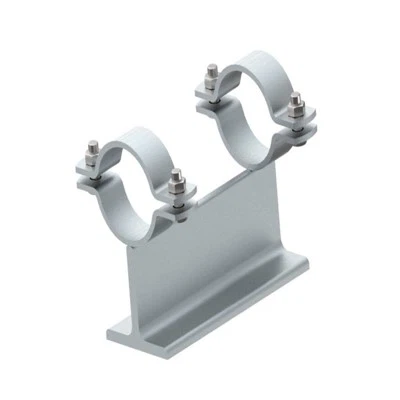
What is the working temperature range of a constant spring bracket?
As a dedicated supplier of constant spring brackets, I often encounter inquiries about the working temperature range of these essential components. Understanding the temperature limits is crucial for ensuring the optimal performance and longevity of constant spring brackets in various industrial applications. In this blog post, I'll delve into the factors that influence the working temperature range, the typical ranges for different types of constant spring brackets, and the implications of operating outside these ranges.
Factors Influencing the Working Temperature Range
Several factors contribute to determining the working temperature range of a constant spring bracket. These include the materials used in its construction, the design of the spring mechanism, and the specific application requirements.
-
Materials: The choice of materials is a primary determinant of a constant spring bracket's temperature tolerance. Most constant spring brackets are made from high - strength steels or alloys. For instance, carbon steel is commonly used due to its good strength and relatively low cost. However, carbon steel has a limited temperature range. At high temperatures, it can lose its strength and ductility, leading to potential failure of the spring bracket. Stainless steel, on the other hand, offers better corrosion resistance and can withstand higher temperatures. Special alloys, such as Inconel, are designed for extreme temperature applications, providing excellent strength and stability at both high and low temperatures.
-
Spring Design: The design of the spring within the bracket also affects its temperature performance. The stress distribution in the spring coils, the number of coils, and the pitch of the coils all play a role. A well - designed spring will distribute stress evenly, reducing the risk of overheating and premature failure. Additionally, the pre - load and the deflection characteristics of the spring need to be carefully considered in relation to temperature changes. As the temperature rises, the spring material may expand, altering its stiffness and load - carrying capacity.
-
Application Requirements: The environment in which the constant spring bracket is used also dictates the required temperature range. For example, in power plants, constant spring brackets may be exposed to high - temperature steam pipes, where temperatures can exceed 500°C. In cryogenic applications, such as in the liquefied natural gas (LNG) industry, the brackets need to withstand extremely low temperatures, often below - 100°C.
Typical Working Temperature Ranges
The working temperature range of constant spring brackets can vary significantly depending on the type and design. Here are some general guidelines:
-
Standard Carbon Steel Constant Spring Brackets: These are suitable for applications with temperatures ranging from approximately - 20°C to 300°C. In this range, carbon steel maintains its mechanical properties well enough to provide reliable support. However, at temperatures above 300°C, the strength of carbon steel begins to decline rapidly, and oxidation can become a significant issue, reducing the lifespan of the bracket.
-
Stainless Steel Constant Spring Brackets: Stainless steel brackets offer a wider temperature range. They can typically operate from - 50°C to 600°C. The corrosion - resistant properties of stainless steel make it suitable for applications where moisture or chemical exposure is a concern, in addition to its ability to handle higher temperatures compared to carbon steel.
-
Special Alloy Constant Spring Brackets: For extreme temperature applications, special alloys like Inconel are used. These brackets can withstand temperatures from - 200°C to over 1000°C. Inconel has excellent high - temperature strength, oxidation resistance, and creep resistance, making it ideal for aerospace, power generation, and other high - performance industries.
Implications of Operating Outside the Temperature Range
Operating a constant spring bracket outside its recommended temperature range can have serious consequences.
-
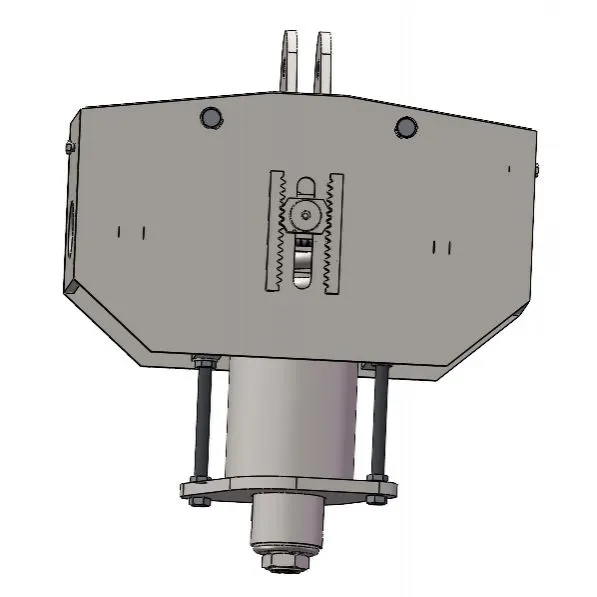
High - Temperature Effects: At high temperatures, the spring material may experience creep, which is the gradual deformation of the material under a constant load over time. This can lead to a loss of pre - load in the spring, causing the bracket to lose its ability to support the load properly. Additionally, oxidation and corrosion can accelerate at high temperatures, weakening the structure of the bracket and potentially leading to sudden failure.

-
Low - Temperature Effects: In low - temperature environments, the spring material can become brittle. This increases the risk of cracking and fracture, especially if the bracket is subjected to sudden shocks or vibrations. The stiffness of the spring may also change at low temperatures, affecting its ability to provide the required support and deflection.
Product Recommendations
As a supplier, I offer a range of constant spring brackets to meet different temperature requirements. Our Constant Spring Bracket is available in various materials, including carbon steel, stainless steel, and special alloys. For applications where high precision is required, our Double Lug High Precision Spring Hanger provides excellent performance. And for extreme temperature applications, our Constant Force Disc Spring Support Hanger is designed to withstand both high and low temperatures with reliability.
Conclusion
Understanding the working temperature range of a constant spring bracket is essential for ensuring its proper functioning and longevity. By considering the materials, design, and application requirements, you can select the right constant spring bracket for your specific needs. If you have any questions about the temperature range of our products or need assistance in choosing the appropriate constant spring bracket for your application, please feel free to contact us for procurement and further discussions. We are committed to providing high - quality products and professional technical support to meet your industrial needs.
References
- ASME Boiler and Pressure Vessel Code, Section II, Materials
- ASTM International standards for steel and alloy materials
- Manufacturer's technical specifications for constant spring brackets